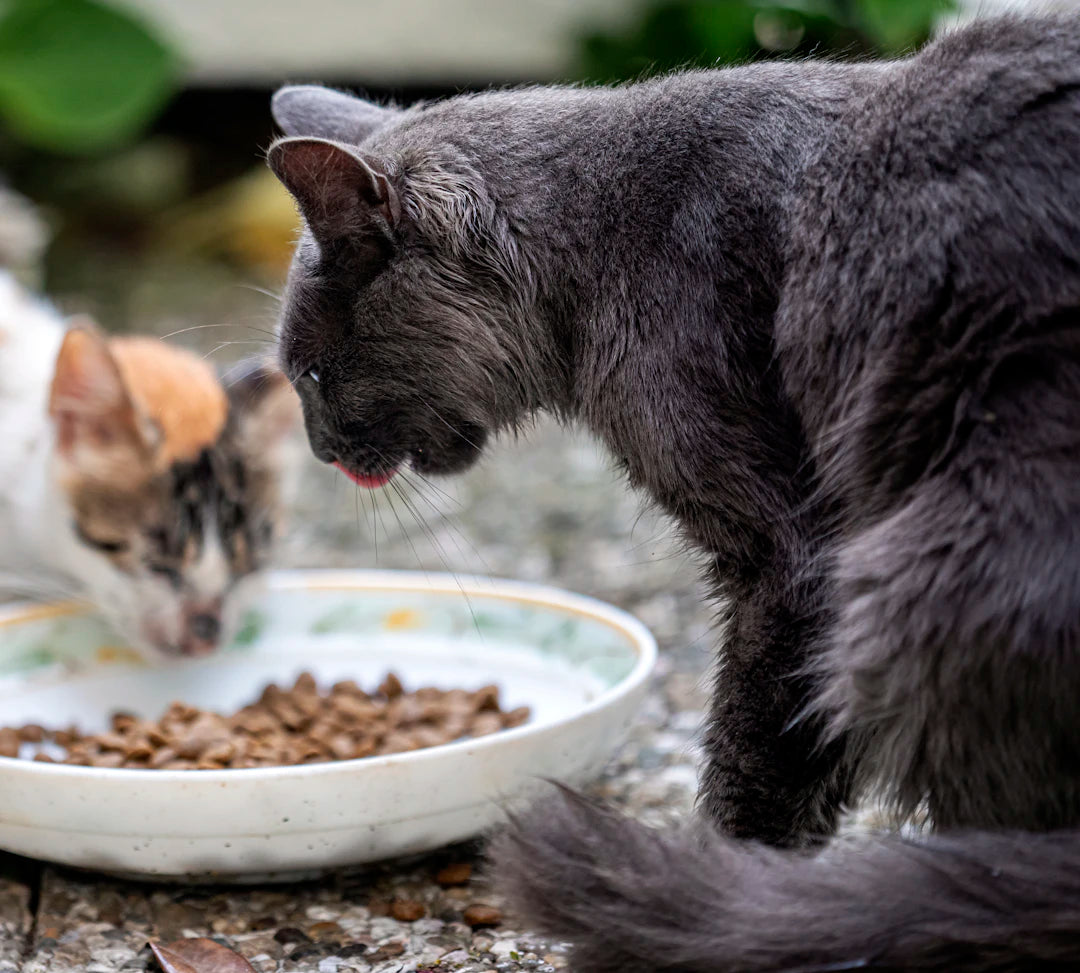
Crafting Your Own DIY Slow Feeders for Happy Pets
Overview
Dogs often eat too quickly, which can lead to health issues like bloating and digestive problems. Using a dog slow feeder bowl can promote healthier eating habits. This article provides DIY methods to create your own slow feeders at home, using simple materials like stones or toys. Benefits include improved digestion, reduced bloating risk, and mental stimulation for your pet. Experiment with different designs and monitor your dog to find what works best. A DIY slow feeder not only saves money but also strengthens the bond with your pet.
Table of Contents
- Understanding Dog Slow Feeders
- Benefits of Using a Slow Feeder
- Materials Needed for Your DIY Slow Feeder
- Simple DIY Slow Feeder Designs
- The Stone & Pebble Method
- The Toy Technique
- Innovative Slow Feeder Table
- Tips for Successful DIY Slow Feeding
- Common Mistakes to Avoid
- Why DIY is the Way to Go
- Next Steps to a Healthier Mealtime
Key Takeaways
- Dog slow feeders help prevent rapid eating, reducing the risk of health issues like bloating and digestive problems.
- Using a slow feeder encourages better digestion by promoting chewing.
- DIY slow feeders can be made from everyday materials, offering a cost-effective solution for pet owners.
- Effective designs include the Stone & Pebble Method and the Toy Technique, both of which create obstacles for dogs.
- Always supervise your pet during mealtime to ensure safety with new feeder designs.
- Regularly clean your slow feeder to maintain hygiene and prevent odors.
- Experiment with different designs to find what works best for your dog, as each pet has unique preferences.
Frequently Asked Questions
1. What is a dog slow feeder bowl and why is it important?
2. How can I create my own DIY slow feeder at home?
3. What are the benefits of using a slow feeder for dogs?
4. What common mistakes should I avoid when using a DIY slow feeder?
5. Why is DIY a better option for slow feeders compared to buying one?
Have you ever watched your dog gobble their food in mere seconds? This fast-eating habit isn't just distressing; it can lead to health issues like bloating and digestive problems. If you're looking to promote a healthier eating style for your furry friend, a dog slow feeder bowl is an ideal solution. In this article, we will explore how to make your own DIY slow feeders at home, saving you money while ensuring your pet enjoys a more engaging dining experience.
Understanding Dog Slow Feeders
A dog slow feeder bowl is designed to prevent pets from eating too quickly. These bowls come with obstacles to promote slower eating, which can lead to improved digestion and better overall health. Rather than purchasing an expensive pet bowl, consider creating your own with simple materials you likely already have at home. Let's dive into the benefits and materials needed to get started.
Benefits of Using a Slow Feeder
Before jumping into the DIY projects, it's essential to understand why slow feeders are beneficial:
- Improved Digestion: Slow feeders encourage dogs to chew their food, promoting better digestion.
- Reduced Risk of Bloating: Eating too quickly can cause bloating, which is a serious health risk for dogs.
- Mental Stimulation: These bowls provide a challenge for your pet, keeping them entertained while they eat.
- Preventing Obesity: Slower feeding can help regulate portion control, leading to healthier eating habits.
Materials Needed for Your DIY Slow Feeder
Creating a DIY slow feeder at home can be straightforward and fun. Here’s a list of materials you may need:
- A durable, shallow container or pet bowl
- Stones, glass marbles, or pebbles
- Non-toxic plastic toys or similar items
- Wooden blocks or sticks (ensure they are pet-safe)
- Masking tape or adhesive if needed
Simple DIY Slow Feeder Designs
The Stone & Pebble Method
This method is simple yet effective. The stones work as barriers that keep your dog from gobbling up their food quickly. Follow these steps:
- Take a shallow container and place it on a flat surface.
- Fill the bottom of the container with a layer of stones or pebbles. Make sure the layer is thick enough to create obstacles.
- Pour your dog’s food over the stones. The stones will force your pet to navigate around them, resulting in slower eating.
The Toy Technique
Using toys is an excellent way to keep mealtime exciting for your pets:
- Choose a shallow pet bowl as the base.
- Place non-toxic plastic toys or other items that your dog can move around inside the bowl.
- Fill the bowl with your pet's food, ensuring the toys obstruct the food slightly.
Innovative Slow Feeder Table
If you want to experiment with various designs or know the advantages of each, take a look at the following table that compares different DIY slow feeder styles:
| Feeder Type | Materials Needed | Difficulty Level | Innovative Features |
|---|---|---|---|
| Stone & Pebble Method | Stones, shallow container | Easy | Good for larger kibble |
| Toy Technique | Plastic toys, shallow bowl | Medium | Makes food retrieval a game |
| Wood & Block Feeder | Wooden blocks, shallow bowl | Medium | Customizable size and shape |
Tips for Successful DIY Slow Feeding
Once you choose a method, here are some tips to enhance the slow feeding experience:
- Monitor Your Pet: Always supervise your dog during mealtime, especially with new feeder designs.
- Trial and Error: Every dog is unique. Experiment with different designs to find what works best for your pet.
- Keep it Clean: Regularly clean the feeder and the container to prevent bacteria and odors.
- Gradual Introduction: Introduce the slow feeder slowly to allow your dog to adjust.
Common Mistakes to Avoid
When making and using your DIY slow feeder, avoid these common pits:
- Using materials that are not safe for pets.
- Creating obstacles that are too challenging, which can frustrate your dog.
- Neglecting to monitor your pet to ensure they are eating safely.
Why DIY is the Way to Go
Not only does making your own DIY slow feeder bowl save you money, but it also gives you the creative freedom to tailor it to your dog's needs. Plus, the act of creating something for your pet strengthens the bond between you. You show your dog that you care about their health and engagement—the ultimate tail-wagging reward!
Next Steps to a Healthier Mealtime
Now that you are equipped with the knowledge of how to create effective DIY slow feeders for your dogs, get started on your crafting adventure! Equip your pet bowl with fun obstacles that stimulate mental and physical activity, resulting in a more enjoyable and healthier mealtime. You're not just feeding your dog; you're engaging their minds and promoting lasting wellness.
Remember, a DIY dog slow feeder is just a project away. Give it a try and observe the change in your dog's eating habits. Enjoy the process, and watch your pet thrive!
Glossary
| Term | Meaning |
|---|---|
| Dog Slow Feeder Bowl | A bowl designed to slow down a dog's eating speed. |
| Bloating | A serious condition where the stomach fills with gas, causing discomfort. |
| DIY | Do It Yourself; creating something on your own without professional help. |
| Mental Stimulation | Activities that engage a pet's mind and keep them entertained. |
| Obstacles | Items placed in a bowl to prevent quick eating. |
| Trial and Error | Experimenting with different methods to find what works best. |
| Pet-Safe | Materials that are safe for pets to be around or consume. |
| Portion Control | Managing the amount of food given to maintain a healthy weight. |
| Engaging Dining Experience | A mealtime that keeps pets active and interested in their food. |
| Healthier Eating Habits | Patterns of eating that contribute to better overall health. |
Linked Product
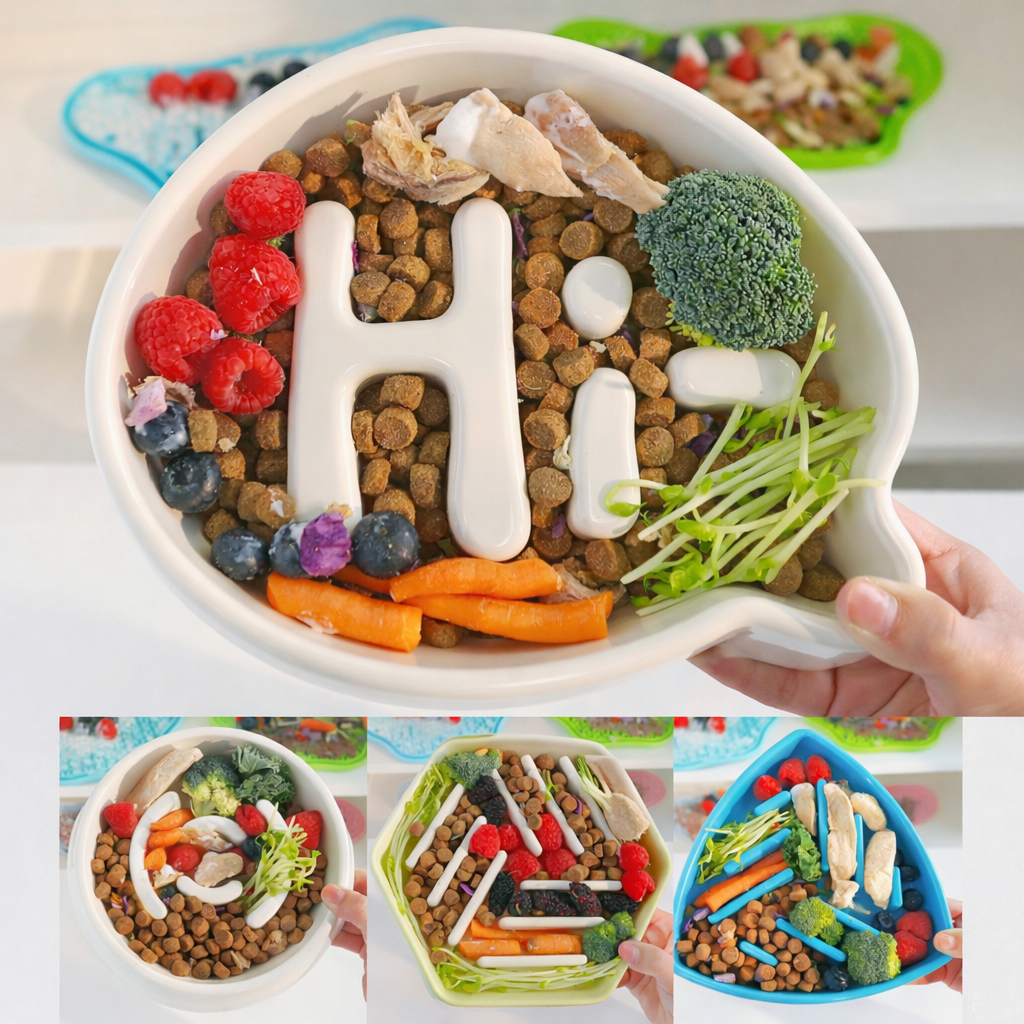
Dog Slow Feeder Bowl – Anti-Choking Slow Feeding & Enrichment Bowl for Medium & Large Dogs
The Dog Slow Feeder Bowl is designed to help medium and large dogs that tend to eat quickly, promoting a slower, more mindful mealtime. Its internal structure encourages licking and portioned feeding, which can reduce the risk of choking and bloating while also providing mental stimulation. This bowl is versatile for various food types, making it a practical choice for daily meals and engaging feeding experiences.
View ProductRelated Posts
Ceramic Slow Feeders to Promote Healthy Eating Habits
The Impact of Texture and Design in Slow Feeding Bowls
Ceramic Pet Bowls for Small Dogs: Practical Feeding Solutions
Spotting Overeating in Pets and Solutions to Combat It
Elevated Ceramic Pet Bowls for Mindful Feeding
Creative Ways to Encourage Slow Eating in Pets