Creative Ways to Encourage Slow Eating in Pets
Overview
Encouraging slow eating in pets is essential for their health, preventing issues like bloating and obesity. Use slow feeder bowls, engage them with interactive toys, and create a calm eating environment. Consider smaller meal portions, DIY challenges, and incorporating healthy snacks to promote mindful eating. Consistency is key to improving their eating habits and overall well-being.
Table of Contents
- The Importance of Slow Eating for Pets
- Effective Strategies to Encourage Slow Eating
- Utilizing a Slow Feeder Dog Bowl
- Engaging Your Pet with Fun Dog Toys
- Feeding in Smaller Portions
- The Role of Feeding Environment
- Creating a Calm and Distraction-Free Space
- Incorporating Interactive Feeding Mats
- Creative Feeding Ideas to Slow Down Eating
- Introducing a DIY Challenge
- A Tasty and Engaging Meal
- Professional Guidance and Health Checks
- Benefits of Slow Eating Beyond Health
- Keeping It Consistent
- Wrap Up the Journey to Better Eating Habits!
Key Takeaways
- Slow eating reduces health risks: Rapid eating can lead to bloating, vomiting, gastrointestinal issues, and obesity in pets.
- Invest in slow feeder bowls: These bowls have designs that encourage pets to eat more slowly by navigating around obstacles.
- Use interactive dog toys: Fill puzzle toys with food to engage your pet while promoting slower eating habits.
- Feed smaller portions: Dividing meals into two or three smaller servings can help regulate your pet's eating pace.
- Create a calm feeding environment: A quiet, distraction-free space encourages mindfulness during mealtime.
- Incorporate feeding mats: Textured mats can stimulate your pet's natural instincts and slow down their eating.
- Seek professional advice if needed: Consult a veterinarian if your pet continues to eat too quickly despite implementing strategies.
Frequently Asked Questions
1. Why is slow eating important for pets?
2. What are some effective strategies to encourage slow eating?
3. How can interactive feeding mats help with slow eating?
4. What are some DIY methods to promote slow eating in pets?
5. When should I consult a veterinarian regarding my pet's eating habits?
When it comes to keeping our beloved pets healthy, one important aspect that often gets overlooked is their eating speed. Many pets, especially dogs, tend to rush through their meals, which can lead to a variety of health issues. Fortunately, there are numerous creative ways to encourage slow eating in pets, enhancing their dining experience and fostering better digestion. In this article, we’ll explore effective methods to promote slow eating habits in your furry friends.
The Importance of Slow Eating for Pets
Understanding the significance of slow eating habits is crucial for every pet owner. Rapid eating in dogs can lead to a range of health problems, such as:
- Bloating
- Vomiting
- Gastrointestinal issues
- Obesity
Slowing down mealtime can dramatically improve your pet's digestion and overall well-being. Encouraging a slower pace promotes mindful eating, allowing pets to savor their food and reducing the risks associated with gulping it down too quickly.
Effective Strategies to Encourage Slow Eating
Utilizing a Slow Feeder Dog Bowl
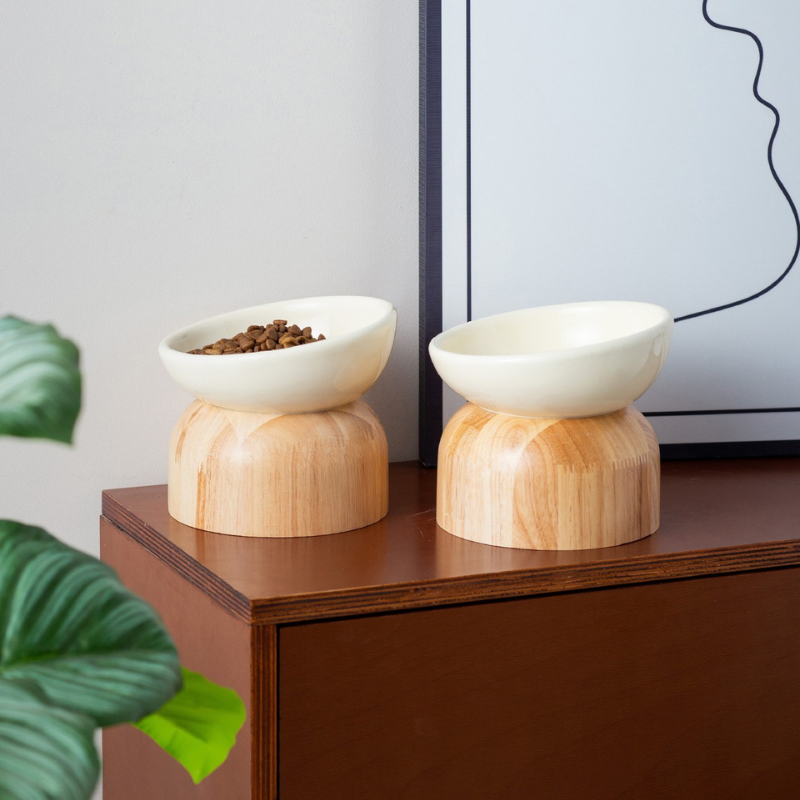
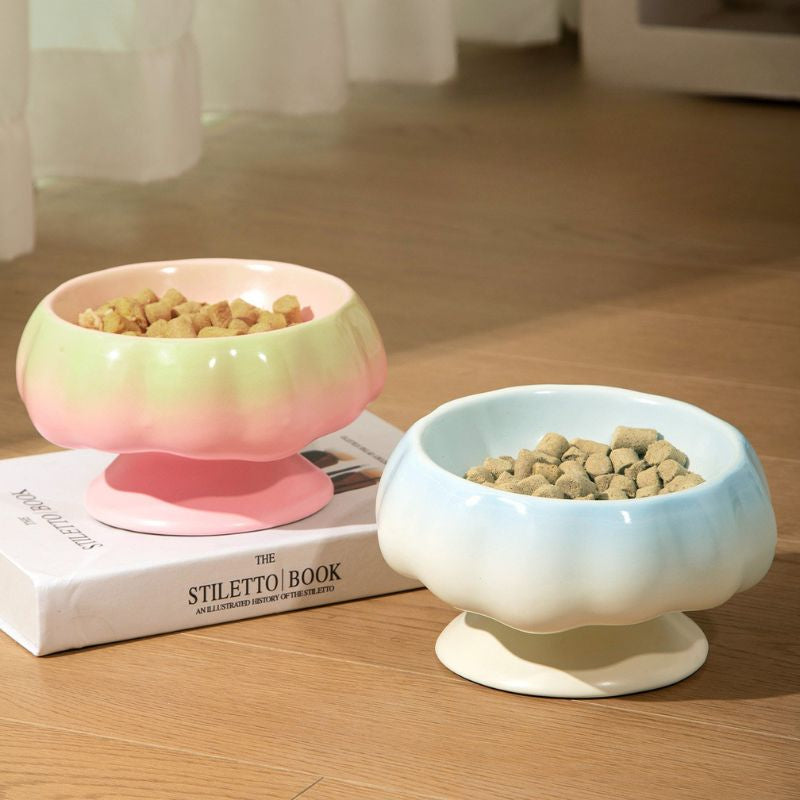
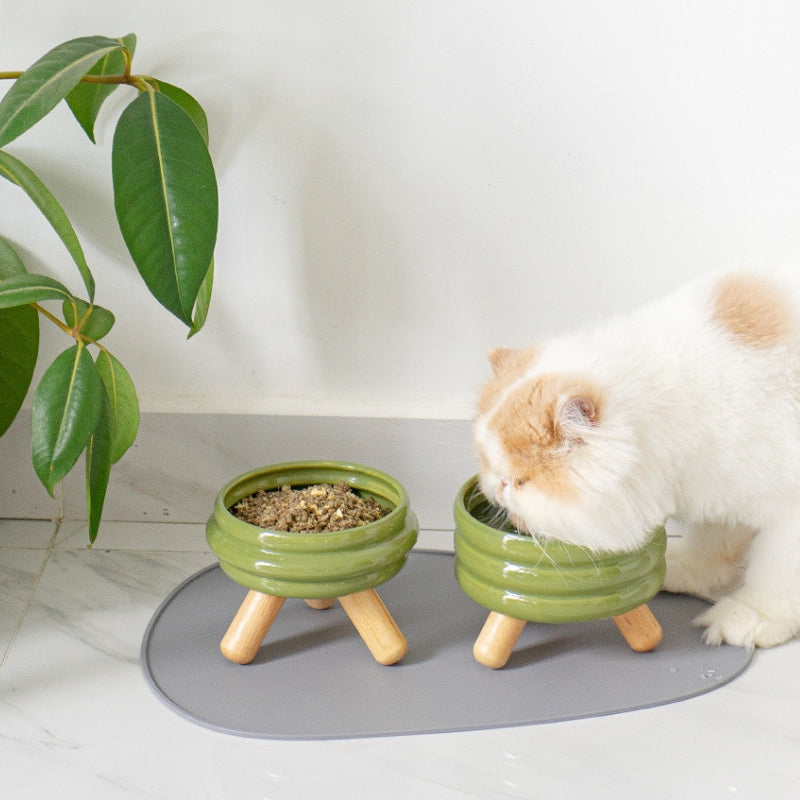
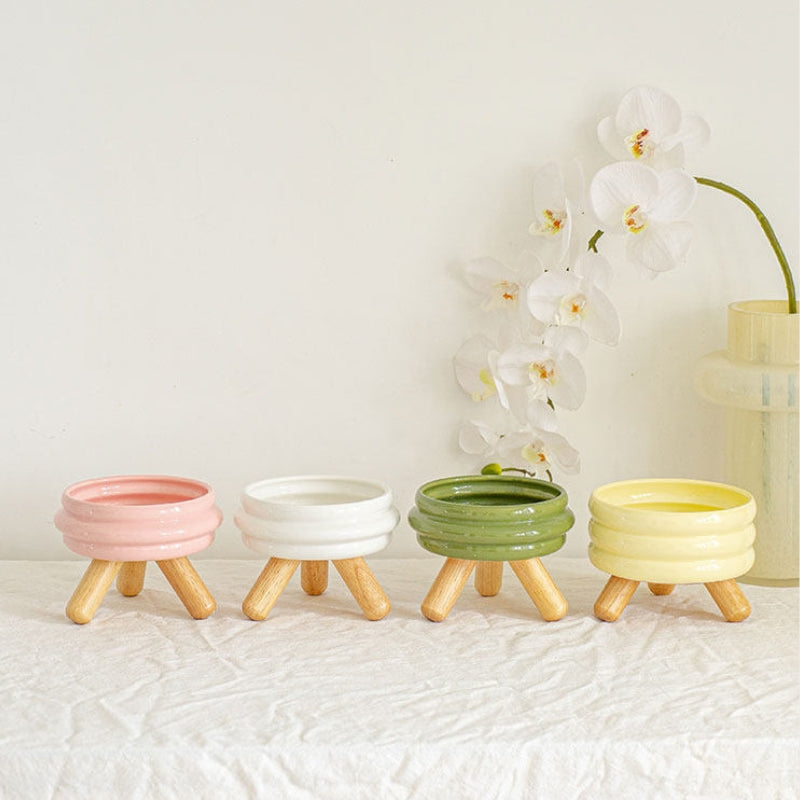
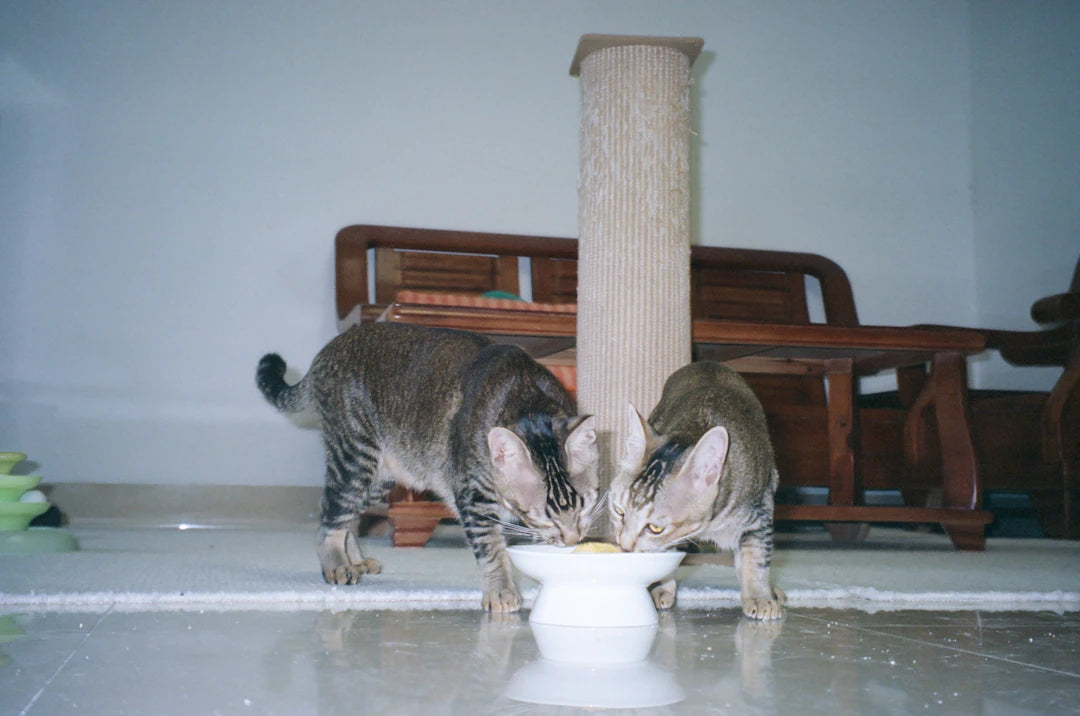
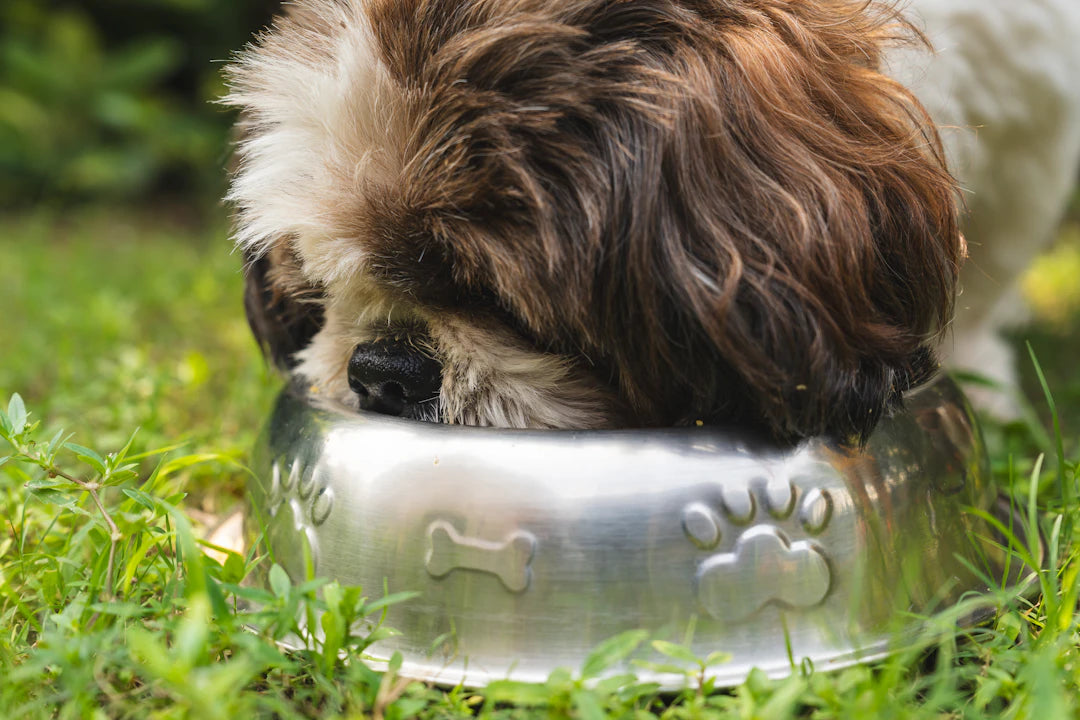
One of the simplest and most effective methods to slow down your pet's eating is to invest in a slow feeder dog bowl. These bowls are designed with unique patterns and maze-like structures that make it challenging for your pet to gulp down their food too quickly. By forcing your furry friend to navigate around the obstacles, they naturally slow down. Additionally, many slow feeder dog bowls are made from safe materials that promote a healthy feeding environment.
Engaging Your Pet with Fun Dog Toys
Another creative way to encourage slow eating is through the use of dog toys. Certain interactive dog toys can be filled with food or treats, providing your pet with a stimulating challenge while they eat. For instance, puzzle toys require your dog to work through challenges to access their food, promoting slower eating habits. This method not only helps with slow eating but also keeps your dog engaged and mentally stimulated.
Feeding in Smaller Portions
Dividing your pet's meals into smaller portions is a practical approach to encourage slower eating. By feeding them two to three smaller meals throughout the day instead of one large meal, you can help regulate their eating pace. This method also allows for better digestion and can alleviate the stress on your pet’s gastrointestinal tract.
The Role of Feeding Environment
Creating a Calm and Distraction-Free Space
The environment where your pet eats can significantly influence their eating habits. To encourage slow eating, create a calm and distraction-free feeding area. Make sure the space is quiet, away from noise and other pets, which can cause excitement and lead to fast eating. A serene atmosphere can help your pet focus on their meal, promoting a more mindful eating experience.
Incorporating Interactive Feeding Mats
Feeding mats with various textures can also be an excellent way to slow down your pet's eating. These mats can be spread out with your pet's food, encouraging them to sniff and forage for their meal. This not only slows them down but also taps into their natural instincts, making mealtime more engaging and rewarding.
Creative Feeding Ideas to Slow Down Eating
Introducing a DIY Challenge
Another fun way to promote slow eating is by turning mealtime into a game. Here are some DIY ideas:
- Hide and Treat: Hide your dog’s food around the house or yard, prompting them to search for it. This encourages slow eating through exploration.
- Ice Pop Treats: Freeze some wet food or broth in an ice tray. Your dog will have to lick and chew their way through the frozen treat, taking their time.
- Puzzle Box: Create a simple puzzle box with compartments holding bits of your dog’s food. They’ll have to figure out how to access the treats inside, promoting slower consumption.
A Tasty and Engaging Meal
Make mealtime more exciting by mixing in some healthy, low-calorie snacks with your pet's regular food. This can include pieces of carrots, green beans, or pumpkin. By adjusting the texture and flavor of their meals, you can encourage your pet to eat more slowly as they savor the different tastes and chew their food more thoroughly.
Professional Guidance and Health Checks
If you notice that your pet is still eating too quickly despite your best efforts, consider consulting a veterinarian. They can help identify any underlying health issues and provide tailored recommendations based on your pet's specific conditions. Regular health checks will ensure that your pet stays happy and healthy as they learn to slow down their eating habits.
Benefits of Slow Eating Beyond Health
The benefits of encouraging slow eating go beyond just physical health. Here are some additional advantages:
| Benefit | Description |
|---|---|
| Improved Bonding | Spending time with your pet during mealtime creates a closer bond. |
| Mental Stimulation | Engaging your pet with interactive feeding methods can provide essential mental exercise. |
| Behavioral Benefits | Slow eating can reduce behavioral issues related to food aggression or anxiety. |
Keeping It Consistent
Just like any other training or habit, consistency is key when trying to encourage slow eating in your pets. Establish a routine and apply the methods you find most effective consistently. Over time, your pet will adapt to new feeding practices, leading to improved health and overall well-being.
Wrap Up the Journey to Better Eating Habits!
Encouraging slow eating in your pets is not just about changing their feeding routine; it’s about improving their quality of life. From slowing down the way they eat to enhancing their mental stimulation, the benefits are far-reaching. Implementing creative feeding strategies, utilizing slow feeder dog bowls, and engaging dog toys will contribute to healthier eating patterns that can prevent serious health issues down the line. With patience, consistency, and a dash of creativity, you can transform mealtime into a more enjoyable and safe experience for your furry companions. Now, get started on your pets' journey to slow eating and watch them thrive!
Glossary
| Term | Meaning |
|---|---|
| Bloating | Swelling of the abdomen due to gas or fluid buildup. |
| Vomiting | Expelling food or liquid from the stomach through the mouth. |
| Gastrointestinal Issues | Problems affecting the digestive tract, causing discomfort. |
| Obesity | Excess body weight that can lead to health complications. |
| Slow Feeder Dog Bowl | A bowl designed to slow down a pet's eating pace. |
| Puzzle Toys | Interactive toys that require problem-solving to access food. |
| Feeding Environment | The area where a pet eats, influencing their eating habits. |
| Interactive Feeding Mats | Mats that encourage pets to forage for their food. |
| DIY Challenge | Homemade games to make mealtime more engaging. |
| Veterinarian | A medical professional specializing in animal health. |
Linked Product
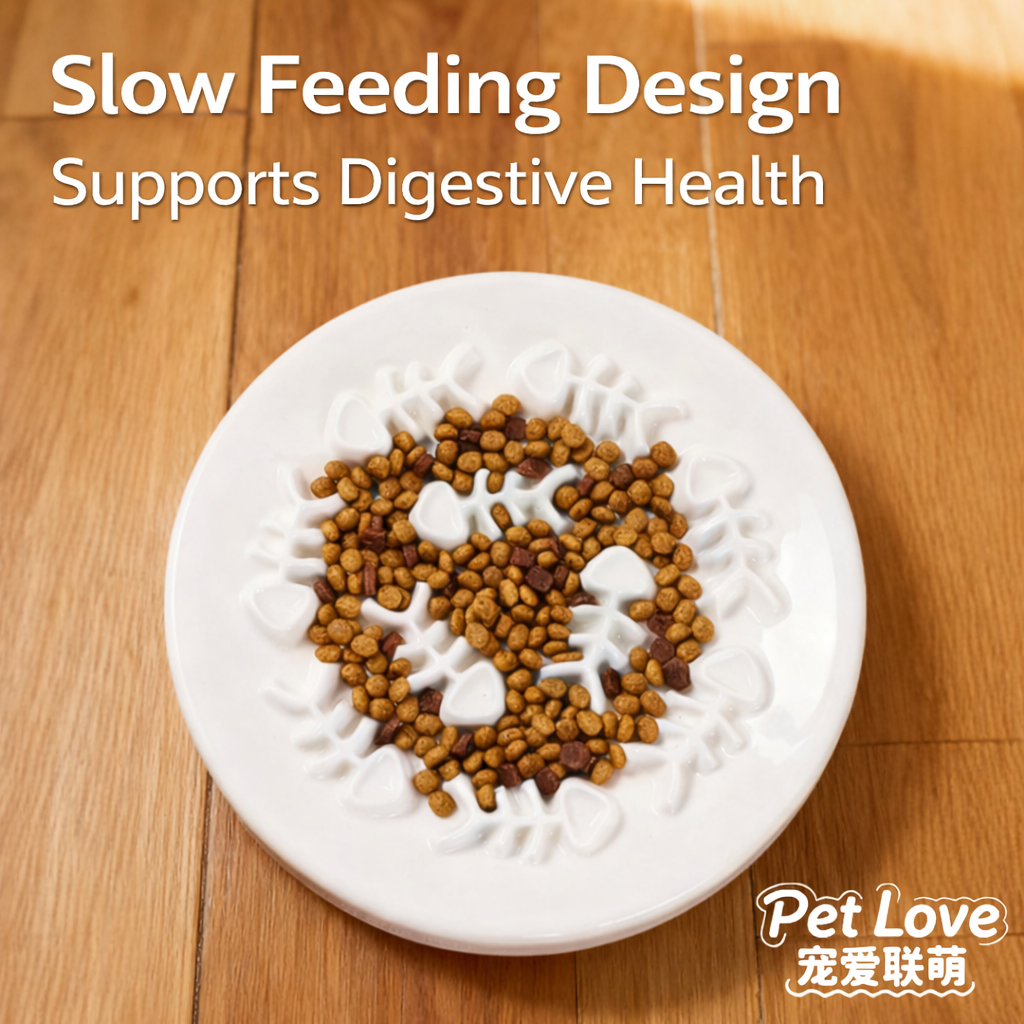
Ceramic Slow Feeder Dog Bowl – Wide Opening Elevated Bowl for Large & Medium Dogs
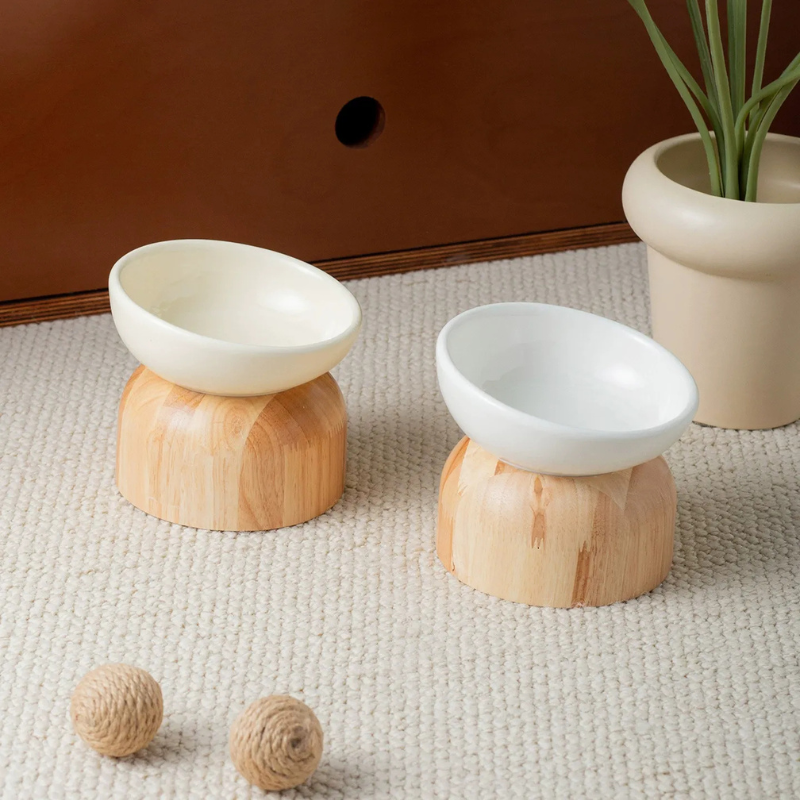
The Ceramic Slow Feeder Dog Bowl is designed to promote healthier eating habits for medium and large dogs by slowing down their feeding pace. Its elevated structure enhances comfort during meals, while the ceramic material ensures stability and accommodates larger portions. This bowl is ideal for everyday use, particularly for dogs that tend to eat too quickly.
View ProductDurable Ceramic Pet Bowls for Slow Feeding Benefits
Elevated Ceramic Pet Bowls for Mindful Feeding
Related Posts
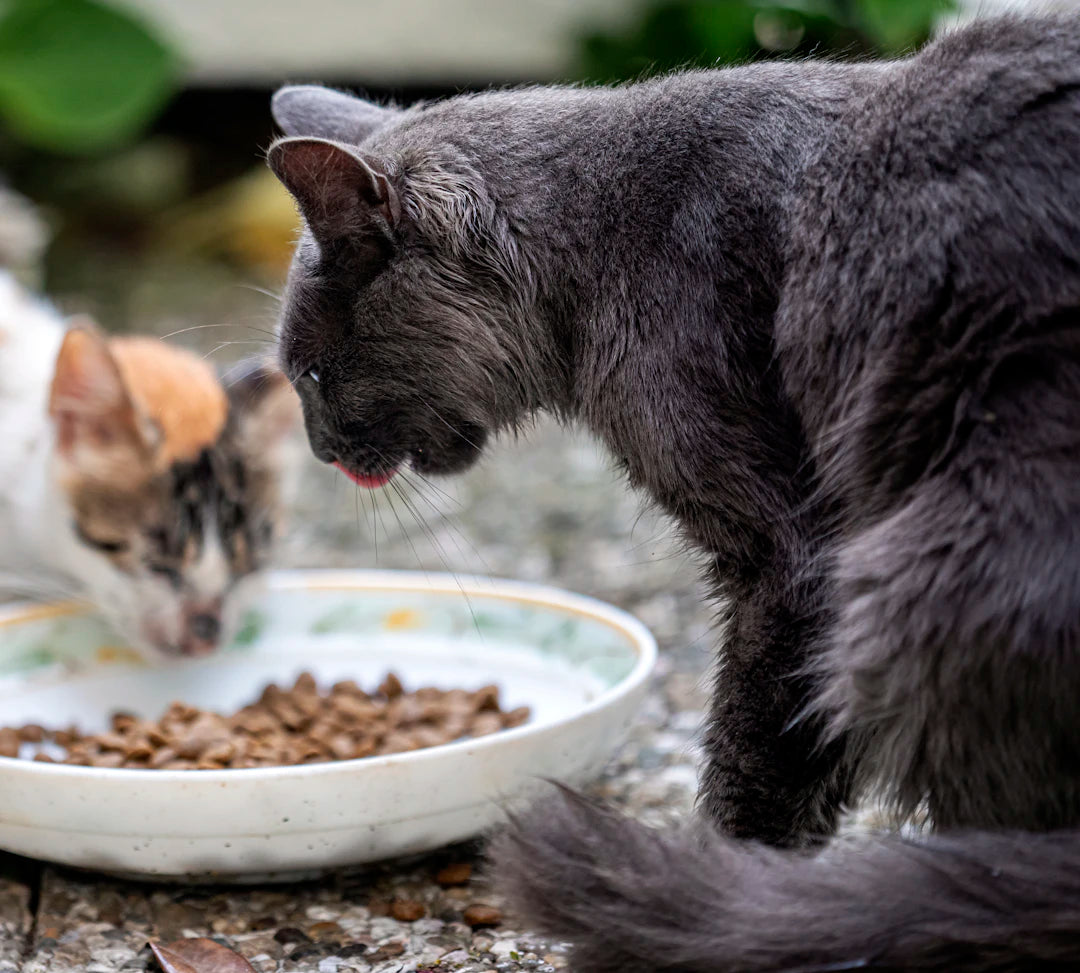
Crafting Your Own DIY Slow Feeders for Happy Pets

Ceramic Slow Feeders to Promote Healthy Eating Habits
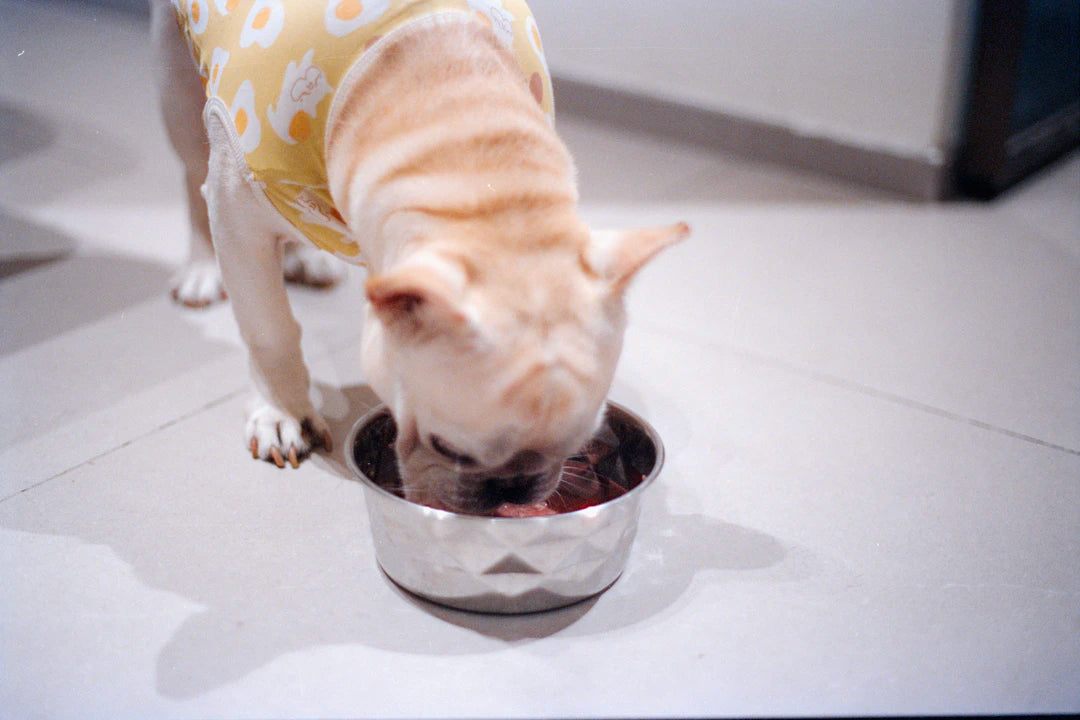
The Impact of Texture and Design in Slow Feeding Bowls
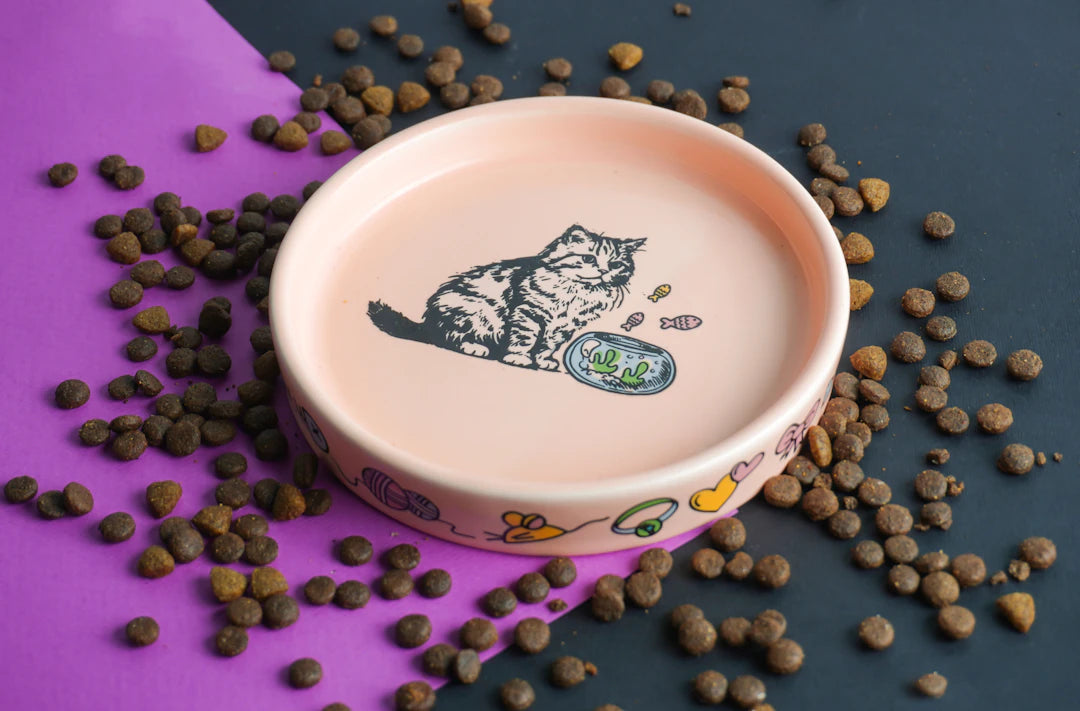
Ceramic Pet Bowls for Small Dogs: Practical Feeding Solutions
Spotting Overeating in Pets and Solutions to Combat It
Elevated Ceramic Pet Bowls for Mindful Feeding