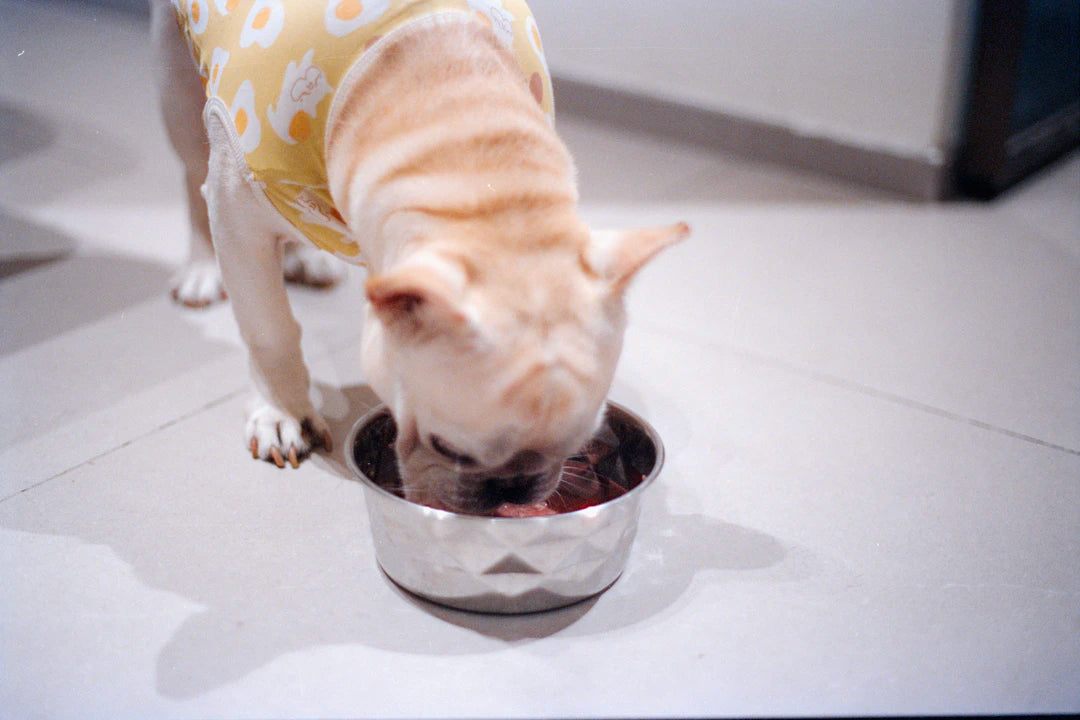
The Impact of Texture and Design in Slow Feeding Bowls
Overview
Slow feeding bowls enhance pets' mealtime experiences by promoting better eating habits through thoughtful design and texture. These bowls help slow down fast eaters, improve digestion, aid in weight management, and provide mental stimulation. Elevated bowls are particularly beneficial for cats, offering better posture and access. Choosing the right bowl involves considering size, durability, and cleaning ease, ultimately leading to healthier and happier pets.
Table of Contents
- The Evolution of Pet Feeding Strategies
- The Science Behind Slow Feeding Bowls
- How Texture Affects Eating Habits
- Design Elements That Enhance Functionality
- The Importance of Elevated Cat Bowls
- Choosing the Right Slow Feeding Bowl
- Benefits of Using Slow Feeding Bowls
- The Role of Aesthetics in Pet Products
- Materials and Colors
- Handling Common Issues with Slow Feeding
- Your Path to Happier, Healthier Pets
Key Takeaways
- Slow feeding bowls promote better eating habits by encouraging pets to eat at a slower pace, reducing risks of choking and obesity.
- Texture plays a crucial role in engaging pets during mealtime, making the experience more enjoyable and stimulating.
- Elevated cat bowls improve posture during eating, benefiting the neck and back health of cats, especially older ones.
- Choosing the right bowl involves considering your pet's size, eating style, and the bowl's durability and maintenance needs.
- Slow feeding bowls can prevent digestive issues and contribute to weight management and improved dental health.
- Aesthetics matter in slow feeding bowls, allowing pet owners to select designs that complement their home decor.
- Gradual introduction of new feeding bowls can help pets adapt, ensuring a smooth transition to slow feeding practices.
Frequently Asked Questions
1. What are slow feeding bowls and why are they important for pets?
2. How does texture influence a pet's eating habits?
3. What should I consider when choosing a slow feeding bowl for my pet?
4. Can elevated bowls benefit my cat?
5. What are the benefits of using slow feeding bowls?
When it comes to feeding our beloved pets, the importance of design and texture cannot be overstated. For both dogs and cats, eating is more than just a need; it’s an experience. In recent years, the advent of slow feeding bowls has transformed mealtime into a stimulating event that promotes better eating habits. In this article, we delve deep into the role that texture and design play in these innovative slow feeding bowls and why they matter for your furry friends.
The Evolution of Pet Feeding Strategies
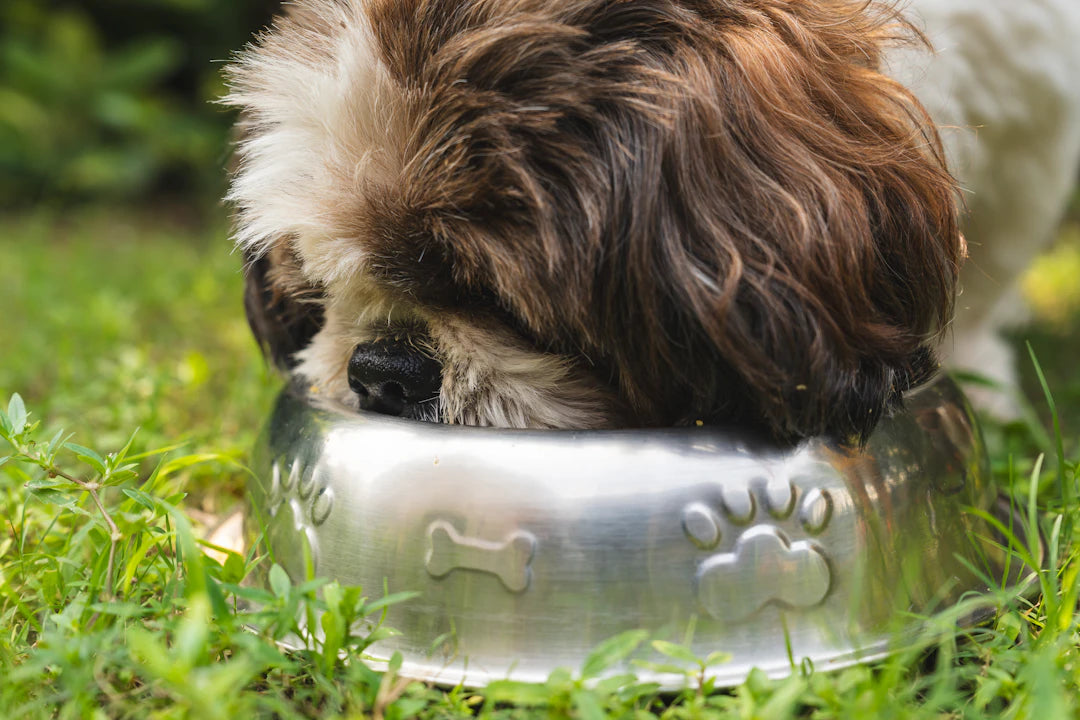
Traditional pet bowls have served their purpose, but with increased awareness of pet health, the demand for more specialized feeding tools has surged. Elevated cat bowls and slow feeding dog bowls are prime examples of how design advancements can enhance a pet’s eating experience. These thoughtful designs help to slow down fast eaters, reducing the risk of choking, vomiting, and obesity.
The Science Behind Slow Feeding Bowls
Understanding why slow feeding bowls work starts with recognizing how pets eat. Many dogs and cats have a natural tendency to gobble their food at a rapid pace. This can lead to numerous health issues. Slow feeding bowls are specifically designed to combat these tendencies, using various textures and shapes to encourage pets to engage with their food.
How Texture Affects Eating Habits
Texture is one of the key elements in the design of slow feeding bowls. The various textures found in these bowls create both physical and psychological barriers that determine how quickly a pet can consume their meal. Here are some ways in which texture influences pet feeding:
- Engagement: A textured surface keeps pets interested, promoting a more enjoyable eating experience.
- Slowing Down Consumption: Grooves and bumps require pets to navigate their food, which naturally slows them down.
- Stimulating Natural Behavior: Textured bowls encourage pets to forage, providing mental stimulation that is often lacking in traditional feeding practices.
Design Elements That Enhance Functionality
When it comes to design, slow feeding bowls are not just about aesthetics; they’re about functionality too. The combination of materials, shapes, and sizes plays a crucial role in how effectively these bowls can serve their purpose. Let’s break down some of the significant design elements:
| Design Element | Description | Benefits |
|---|---|---|
| Material | Bowl construction can vary from plastic to ceramic to stainless steel. | Durability and ease of cleaning. |
| Shape | Irregular shapes can create obstacles for pets. | Encourages slower eating and naturally promotes foraging. |
| Size | Available in various sizes to accommodate different breeds. | Aids in portion control and encourages a healthy diet. |
The Importance of Elevated Cat Bowls
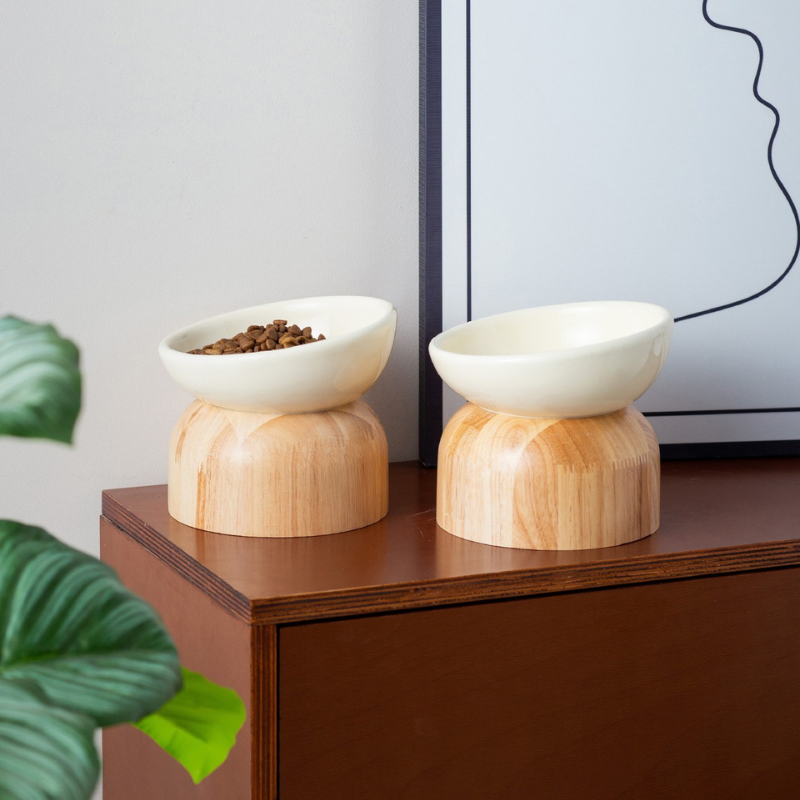
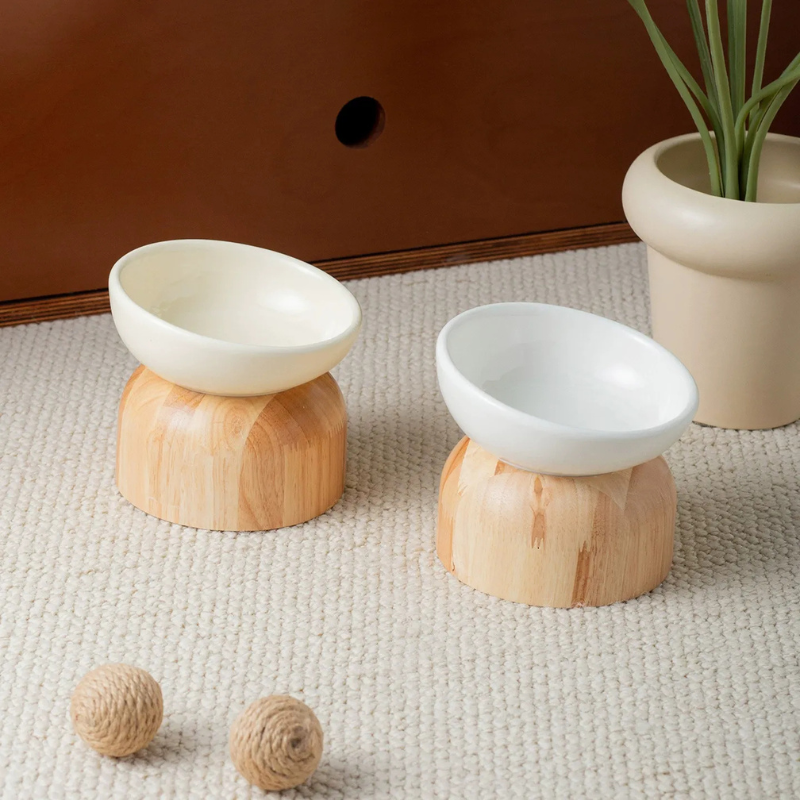
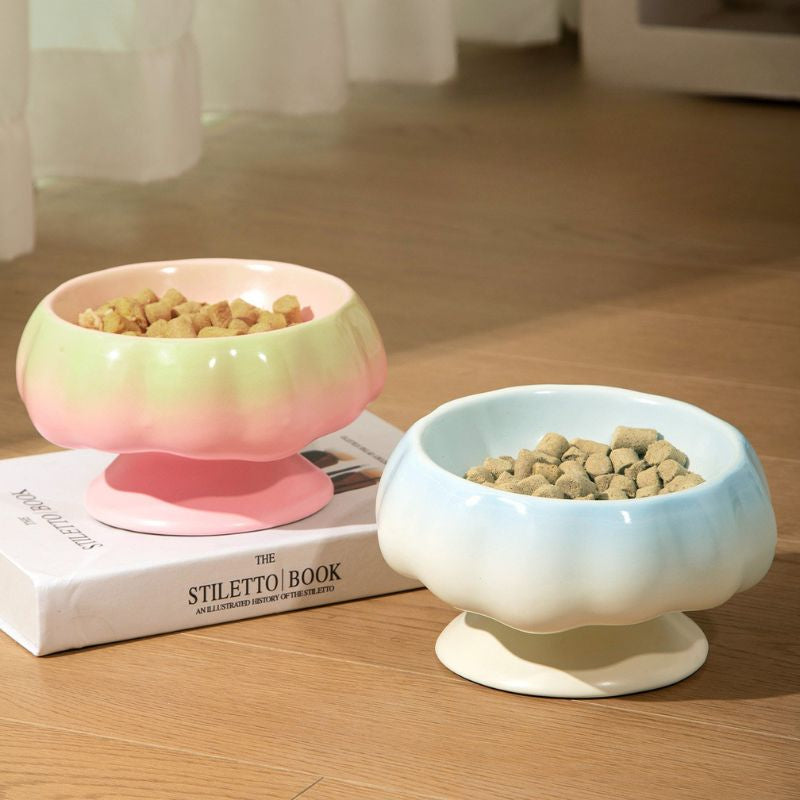
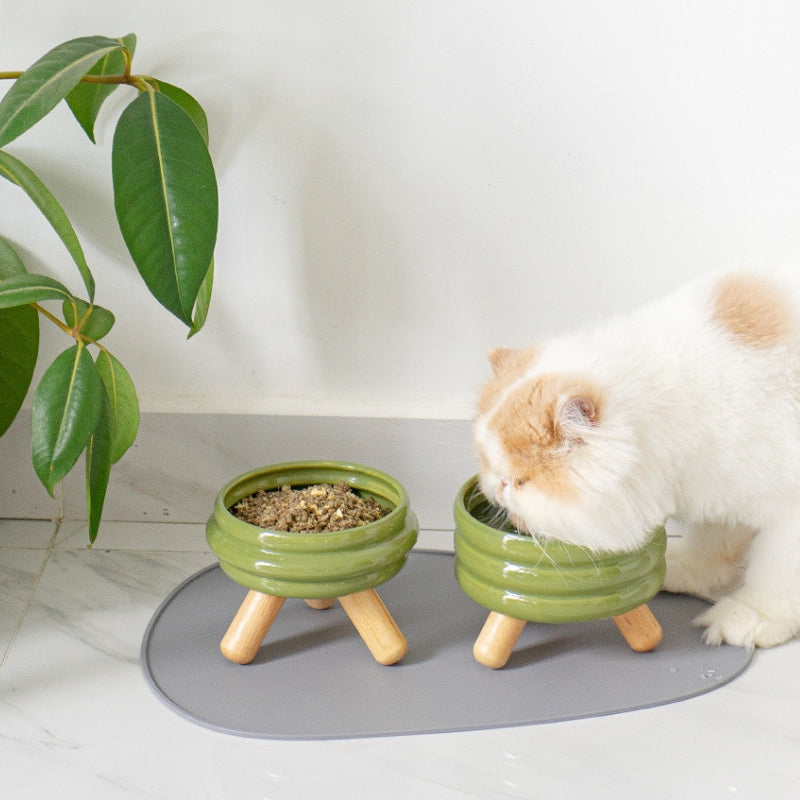
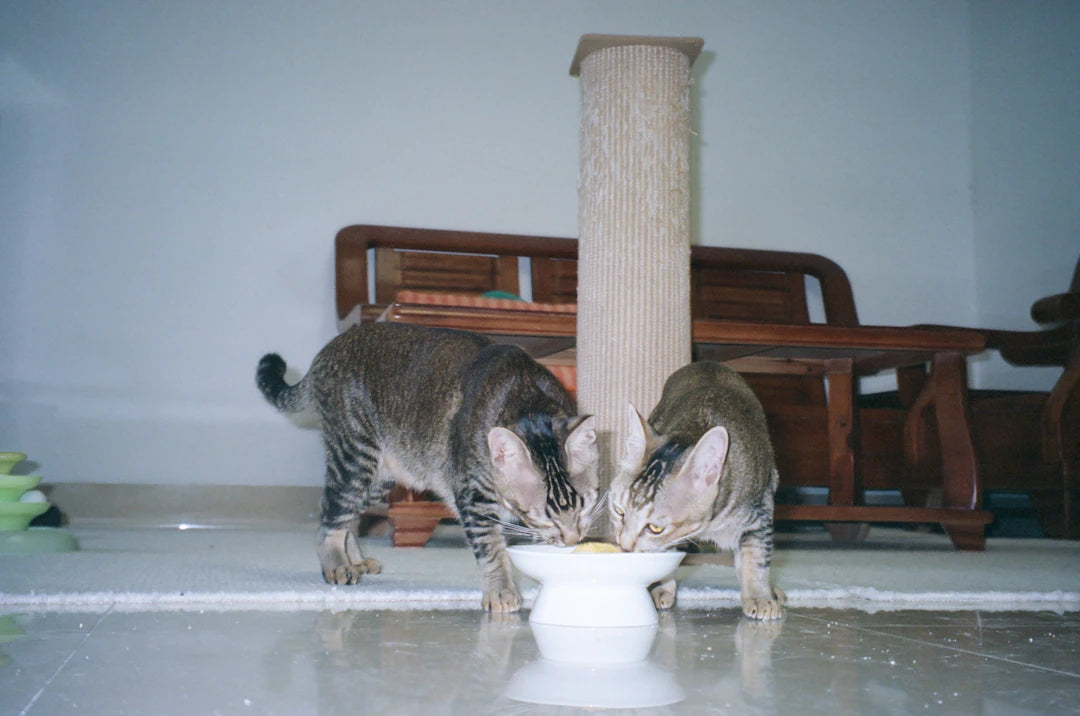
While slow feeding bowls are beneficial for all pets, elevated bowls serve a unique purpose, especially for cats. An elevated cat bowl promotes a more natural eating posture, which can be advantageous for their neck and back health. Moreover, elevating the bowl can help older cats or those with mobility issues have easier access to their food, enhancing their overall dining experience.
Choosing the Right Slow Feeding Bowl
With so many options available for slow feeding bowls, selecting the right one can be overwhelming. Here are some tips to help you make an informed decision:
- Assess Your Pet's Size: Ensure you choose a bowl that fits your pet's size; a bowl that's too small may not serve its purpose effectively.
- Check for Durability: Look for bowls made from high-quality materials that will withstand regular use.
- Consider Your Pet's Eating Style: Some pets may benefit from deeper grooves, while others may prefer a flatter surface.
- Evaluate Maintenance: Choose a bowl that is easy to clean and maintain, especially if your pet tends to make a mess during meals.
Benefits of Using Slow Feeding Bowls
The advantages of incorporating slow feeding bowls into your pet’s daily routine extend beyond just slowing down their eating. Here are some key benefits that every pet owner should consider:
- Prevention of Digestive Issues: Slower eating reduces the likelihood of gastrointestinal distress.
- Weight Management: By regulating the pace at which pets consume food, it's easier to manage their weight effectively.
- Improved Dental Health: Slower feeding encourages chewing, which is beneficial for dental hygiene.
- Enhanced Mental Stimulation: The challenges posed by textured bowls engage pets mentally, preventing boredom.
The Role of Aesthetics in Pet Products
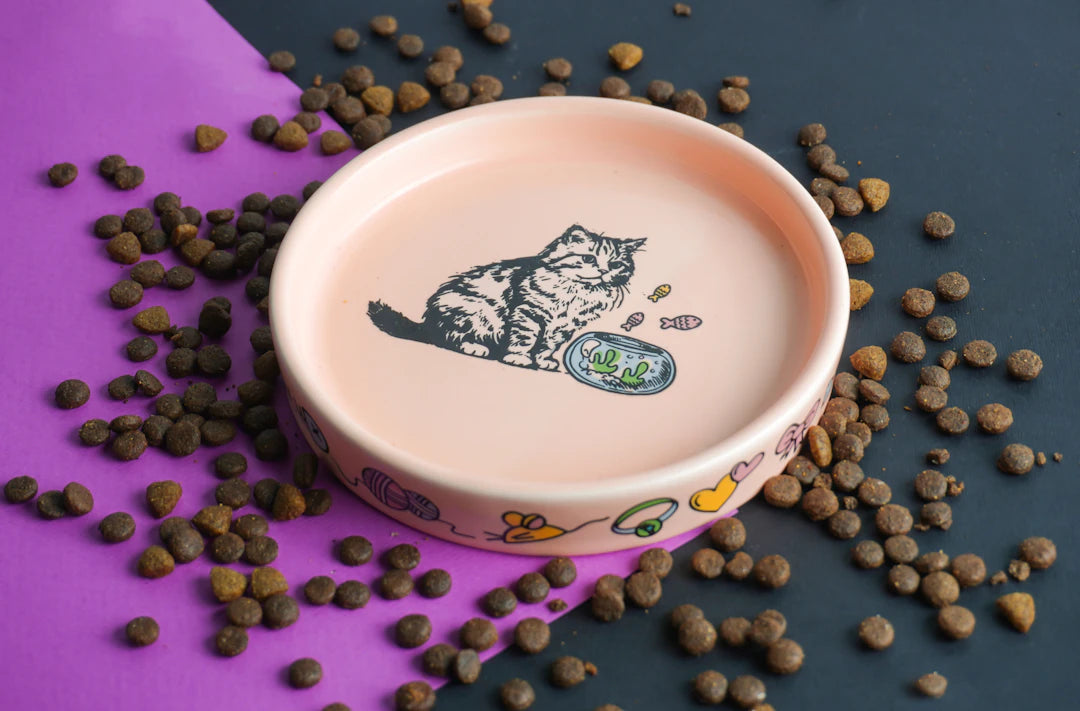
While functionality is paramount, aesthetics also play a vital role in the popularity of slow feeding bowls. Just like other products we carefully select for our homes, pet bowls need to align with our personal design preferences. A bowl that complements your home decor not only becomes a functional item but also a stylish addition to your living space.
Materials and Colors
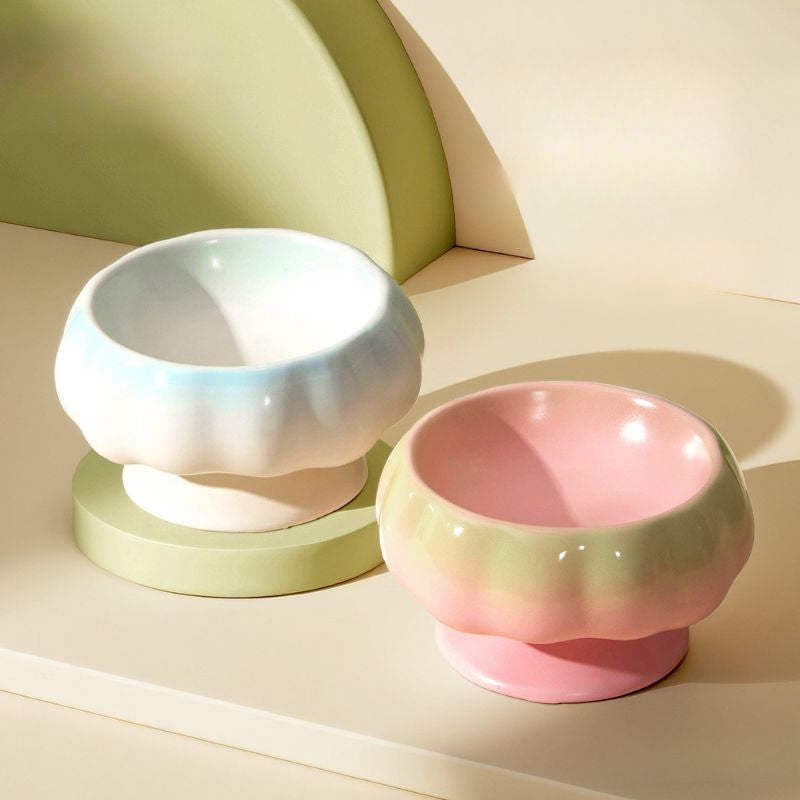
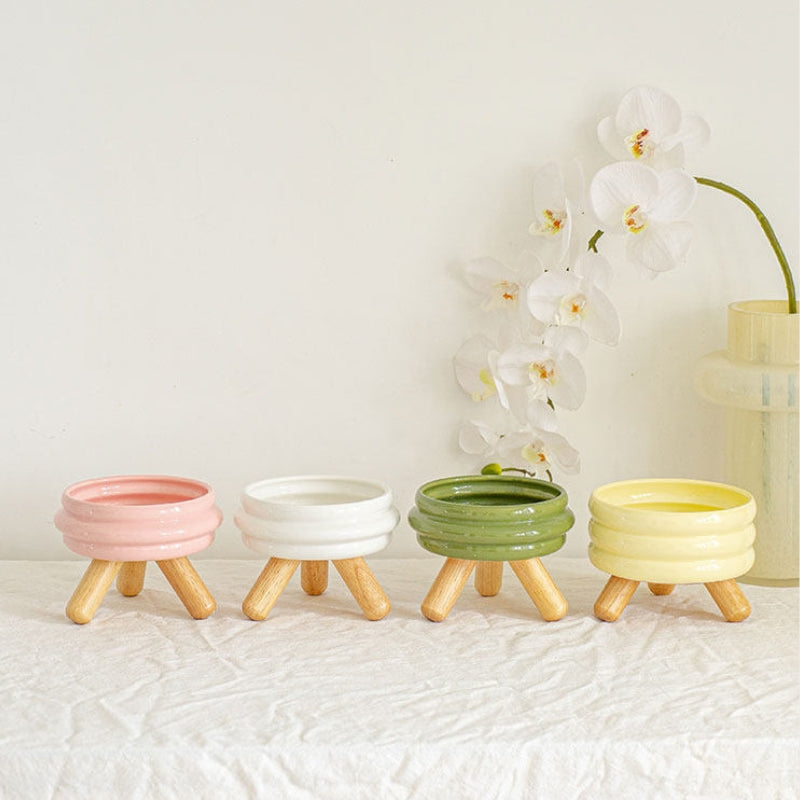
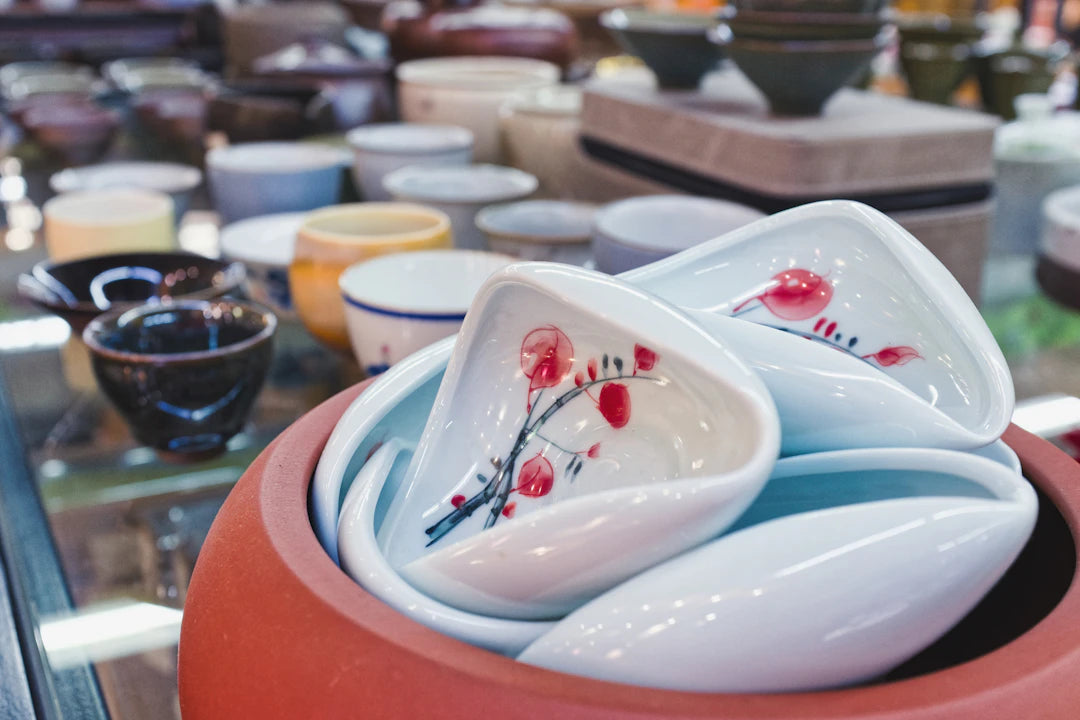
The choice of materials and colors can significantly impact the visual appeal of a slow feeding bowl. Some pet owners prefer ceramic bowls for their elegance and weight, while others may opt for stainless steel for its durability. Additionally, bowls come in a myriad of colors and designs, allowing for customization to match your home’s style.
Handling Common Issues with Slow Feeding
Although slow feeding bowls bring numerous benefits, there are some considerations pet owners should be aware of:
- Training Your Pet: Some pets may be resistant to change. Gradually introducing a new slow feeding bowl can help ease them into the transition.
- Monitoring Eating Habits: Watch for any changes in behavior or digestive issues to ensure the new feeding bowl is a good fit.
- Cleaning Maintenance: Opt for bowls that can be easily cleaned to prevent bacteria build-up.
Your Path to Happier, Healthier Pets
The significance of texture and design in slow feeding bowls cannot be overstated. As a pet parent, your choices directly impact your furry friends' health and happiness. By opting for elevated cat bowls and thoughtfully designed dog bowls, you can enhance their eating experience, preventing potential health risks while making mealtime more enjoyable. From preventing choking to fostering better eating behaviors, these innovative products are a worthwhile investment in your pet's life.
Embrace the role of texture and design—choose slow feeding bowls that not only serve a purpose but also add to the overall wellbeing of your pets. With these simple yet strategic choices, you are on your way to crafting a more enriching feeding experience for your companions. Let your pets enjoy every bite while you enjoy peace of mind!
Glossary
| Term | Meaning |
|---|---|
| Slow Feeding Bowls | Bowls designed to slow down a pet's eating pace. |
| Texture | The surface design of the bowl that affects eating habits. |
| Engagement | Keeping pets interested in their food during mealtime. |
| Elevated Bowls | Bowls raised off the ground for better posture while eating. |
| Foraging | Encouraging pets to search for food, mimicking natural behavior. |
| Durability | The ability of a bowl to withstand regular use without damage. |
| Portion Control | Managing the amount of food a pet consumes at each meal. |
| Digestive Issues | Health problems related to improper eating speed or habits. |
| Mental Stimulation | Engaging a pet's mind during feeding to prevent boredom. |
| Aesthetics | The visual appeal of pet products, including bowls. |
Linked Product
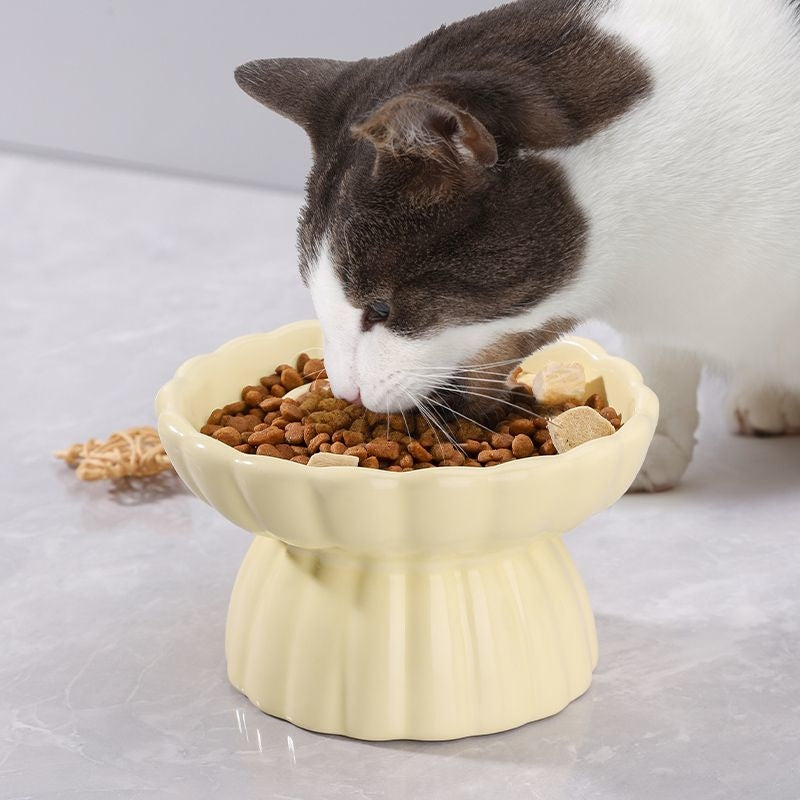
Elevated Ceramic Slow Feeder Cat Bowl – Anti-Choking, Anti-Acne, Anti-Tip Feeding Bowl
The Elevated Ceramic Slow Feeder Cat Bowl promotes a healthier eating pace, helping to prevent discomfort and choking by slowing down mealtimes. Its elevated design allows for a more comfortable feeding posture, making it suitable for cats and dogs alike. The smooth ceramic surface simplifies cleaning, ensuring a hygienic feeding experience for daily use with both dry and wet foods.
View ProductCeramic Pet Bowls for Small Dogs: Practical Feeding Solutions
Ceramic Slow Feeders to Promote Healthy Eating Habits
Related Posts
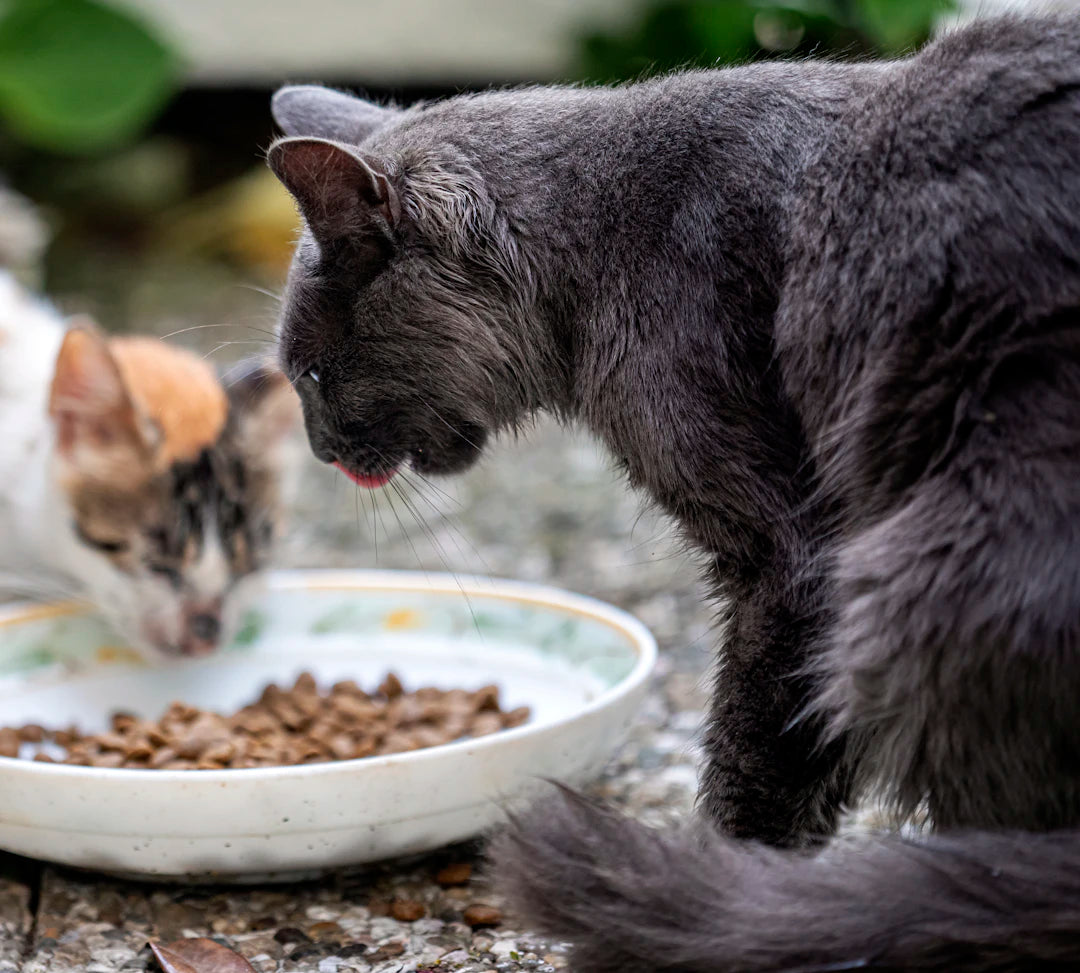
Crafting Your Own DIY Slow Feeders for Happy Pets
Ceramic Slow Feeders to Promote Healthy Eating Habits
Ceramic Pet Bowls for Small Dogs: Practical Feeding Solutions
Spotting Overeating in Pets and Solutions to Combat It
Elevated Ceramic Pet Bowls for Mindful Feeding
Creative Ways to Encourage Slow Eating in Pets