Spotting Overeating in Pets and Solutions to Combat It
Overview
Overeating in pets can lead to serious health issues like obesity and diabetes. Key signs include weight gain, increased thirst, and inactivity. Factors contributing to overeating include emotional eating and unrestricted food access. To manage overeating, utilize slow feeder bowls, control portions, and engage pets in activities. Regular vet visits and monitoring your pet's habits are essential for maintaining their health. If concerns persist, seek professional help for tailored dietary plans.
Table of Contents
- Recognizing the Signs of Overeating
- Why Do Pets Overeat?
- Emotional Eating
- Access to Food
- Palatable Diets
- Strategies to Manage Overeating
- Utilizing Slow Feeder Bowls
- Controlling Portions
- Implement Engaging Activities
- Age and Breed Considerations
- Age
- Breed-Related Tendencies
- The Importance of Regular Veterinary Visits
- Tracking Your Pet's Progress
- When to Seek Professional Help
- The Furry Path to a Healthier Future
Key Takeaways
- Recognize the Signs: Look for sudden weight gain, increased thirst, vomiting, inactivity, and begging for food as indicators of overeating in pets.
- Understand Emotional Triggers: Pets may overeat due to stress, boredom, or changes in their environment; addressing these triggers is essential.
- Implement Structured Feeding: Avoid free-feeding and establish a feeding schedule to control your pet's access to food.
- Use Slow Feeder Bowls: These bowls help slow down eating, promote better digestion, and reduce the risk of obesity.
- Monitor Portion Sizes: Consult your veterinarian to determine appropriate portion sizes based on your pet's age, size, and activity level.
- Engage Your Pet: Incorporate more playtime and activities to prevent boredom, which can lead to overeating.
- Regular Veterinary Check-Ups: Schedule routine visits to monitor your pet’s health and discuss any concerns regarding their eating habits.
Frequently Asked Questions
1. What are the signs that my pet may be overeating?
2. What causes pets to overeat?
3. What are some strategies to manage my pet's overeating?
4. How does age and breed affect a pet's tendency to overeat?
5. When should I seek professional help for my pet's overeating?
As pet owners, we cherish our furry friends and their well-being is our utmost priority. Yet, one of the most common but often overlooked issues is overeating in pets. This concern can lead to a variety of health problems, including obesity, diabetes, and joint issues. In this article, we will explore how to identify overeating in pets and provide effective solutions to combat this behavior.
Recognizing the Signs of Overeating
Before diving into solutions, it’s crucial to recognize the signs that your pet may be overeating. Pets can’t communicate their discomfort or problems directly, making it essential for us to be vigilant. Here are some signs that your pet may be consuming too much food:
- Weight Gain: One of the most apparent signs is sudden weight gain. A noticeable increase in body mass often indicates overeating.
- Increased Thirst: Overeating can lead to dehydration, causing your pet to drink more water than usual.
- Vomiting: If your pet regularly vomits after eating, it could indicate they are overeating or eating too quickly.
- Inactivity: Overweight pets tend to be less active due to discomfort or reduced energy levels.
- Begging for Food: If your pet is always begging for food, it might not just be hunger—this behavior can stem from overeating habits.
Why Do Pets Overeat?
Understanding the reasons behind overeating is essential for addressing the problem effectively. Here are some common factors contributing to overeating in pets:
Emotional Eating
Similar to humans, pets may eat for comfort. Stress, boredom, or changes in their environment can lead pets to consume more food than necessary. It's essential to recognize these emotional triggers and provide appropriate remedies, like toys or extra attention.
Access to Food
Excessive access to food, especially with free-feeding systems, can promote overeating. If your pet has constant access to their food bowl, they may tend to munch more than required. Implementing a more structured feeding schedule can help mitigate this issue.
Palatable Diets
Foods that are particularly palatable can also contribute to overeating. If a pet enjoys their food, they're likely to eat more—sometimes beyond their capacity. It’s vital to choose a balanced diet that keeps them satisfied without encouraging overindulgence.
Strategies to Manage Overeating
Now that we've identified the signs and reasons for overeating, let's explore actionable strategies to help your pets. Implementing these techniques can help promote healthy eating habits.
Utilizing Slow Feeder Bowls
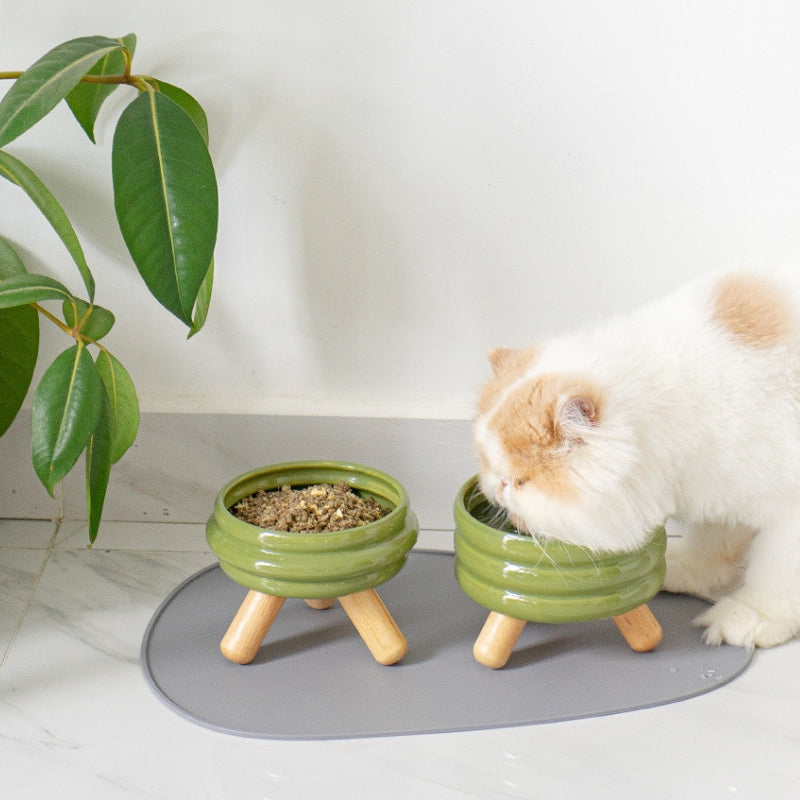
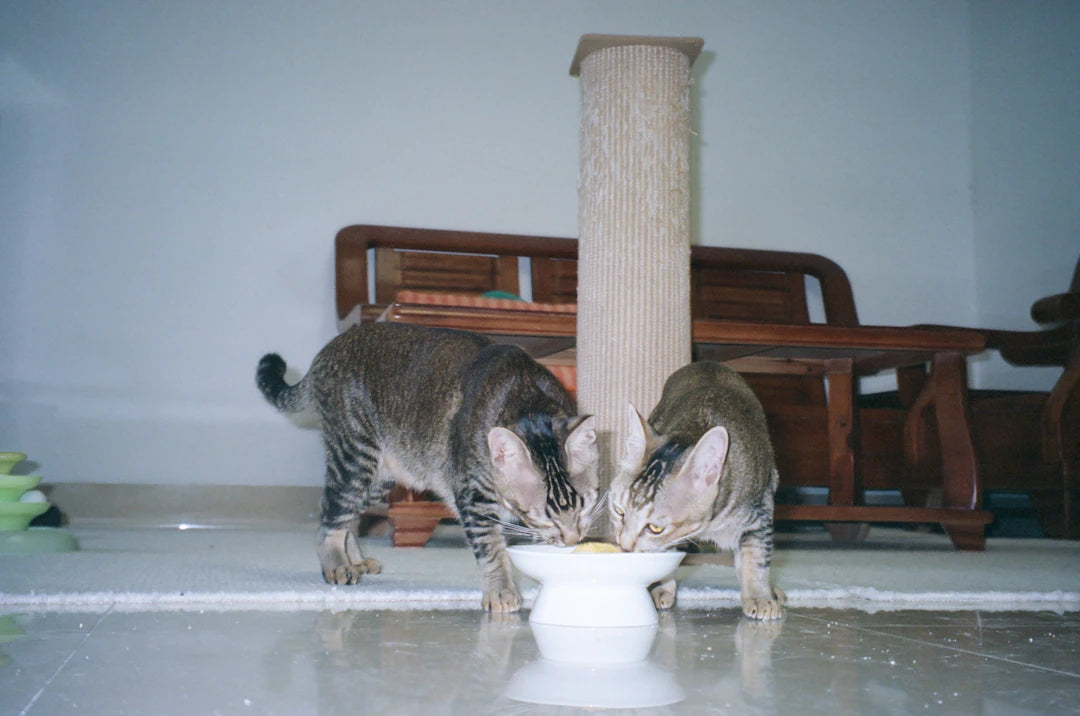
One effective tool in controlling your pet’s eating habits is using a slow feeder bowl for cats. These specially designed bowls encourage pets to eat at a slower pace, reducing the likelihood of overeating and assisting in digestion. Here’s how they work:
| Benefits of Using Slow Feeder Bowls | Description |
|---|---|
| Slows Down Eating | Prevents gulping and promotes better digestion. |
| Encourages Engagement | Stimulates mental activity by making mealtime a fun challenge. |
| Reduces Risk of Obesity | Helps control portions and promotes healthy eating habits. |
Controlling Portions
Monitoring your pet's portion sizes is vital. Consult with your veterinarian to determine the right amount of food for your pet’s age, size, and activity level. Measuring food portions can help you maintain consistency and ensure your pet isn't overeating.
Implement Engaging Activities
Boredom can lead to overeating, as pets may eat out of habit rather than actual hunger. Keeping your pet active and engaged is a great way to combat this behavior. Incorporate more playtime into your routine, and consider the use of a cat toy to elevate their interest. Toys that encourage active play can keep them entertained and help burn off excess energy.
Age and Breed Considerations
Different pets may have varying tendencies toward overeating based on age and breed. Here are some factors to consider:
Age
As pets age, their metabolism may slow down, leading to a propensity for weight gain if eating habits remain unchanged. Older pets may require a different diet or feeding schedule. Discuss any dietary changes with your veterinarian to ensure their nutritional needs are met.
Breed-Related Tendencies
Some breeds may be more prone to overeating. For instance, Labrador Retrievers and Beagles can have a ravenous appetite. Understanding the needs of your specific breed can aid in preventing overeating through tailored feeding and lifestyle strategies.
The Importance of Regular Veterinary Visits
Regular check-ups with the veterinarian play a crucial role in monitoring your pet's health. They can provide valuable insights into your pet’s weight and dietary needs. Additionally, maintaining an open line of communication about your concerns regarding overeating can help you strategize effective solutions together.
Tracking Your Pet's Progress
Keep a record of your pet’s eating habits, weight changes, and any other observations. This documentation can be beneficial during veterinary visits and will help you maintain accountability for your pet's health. Here’s what you can track:
- Daily food intake
- Weight changes every month
- Behavioral shifts or signs of discomfort
- Activity levels and engagement in play
When to Seek Professional Help
If you've tried the above strategies and your pet continues to overeat or displays concerning behavioral changes, it may be time to seek professional assistance. A veterinary nutritionist can help you devise a diet plan tailored to your pet’s specific needs, lifestyle, and health conditions.
The Furry Path to a Healthier Future
Overeating in pets is a serious issue that can lead to long-term health complications. By recognizing the signs of overeating and implementing effective strategies, you can ensure that your furry friend maintains a healthy and happy lifestyle. Remember, a proactive approach goes a long way in securing your pet's health for years to come.
Invest your time in understanding your pet’s behaviors and implement the training and dietary habits necessary for a balanced life. By fostering engagement through fun activities and nutritional awareness, you can combat overeating and promote wellness in your beloved pets.
Glossary
| Term | Meaning |
|---|---|
| Overeating | Consuming more food than necessary, leading to health issues. |
| Weight Gain | Increase in body mass, often a sign of overeating. |
| Emotional Eating | Eating for comfort due to stress or boredom. |
| Slow Feeder Bowls | Bowls designed to slow down a pet's eating pace. |
| Portion Control | Monitoring and adjusting the amount of food given to pets. |
| Veterinary Visits | Regular check-ups to monitor pet health and diet. |
| Palatable Diets | Highly appealing foods that may encourage overeating. |
| Behavioral Shifts | Changes in a pet's behavior that may indicate health issues. |
| Engaging Activities | Fun tasks that keep pets active and reduce boredom. |
| Veterinary Nutritionist | A specialist who helps create tailored diet plans for pets. |
Linked Product
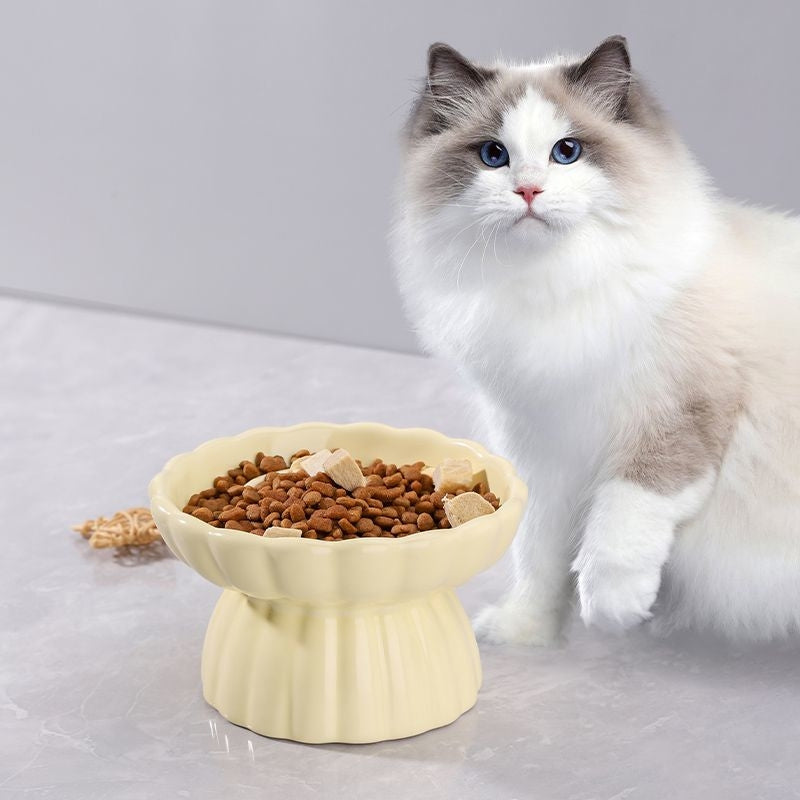
Elevated Ceramic Slow Feeder Cat Bowl – Anti-Choking, Anti-Acne, Anti-Tip Feeding Bowl
The Elevated Ceramic Slow Feeder Cat Bowl promotes healthier eating habits by slowing down your pet's feeding pace, which can help prevent choking and discomfort. Its elevated design allows cats to eat in a more comfortable position, while the smooth ceramic surface makes cleaning easy and reduces residue buildup. Ideal for both dry and wet food, this bowl is a practical addition to your pet's daily feeding routine.
View ProductElevated Ceramic Pet Bowls for Mindful Feeding
Ceramic Pet Bowls for Small Dogs: Practical Feeding Solutions
Related Posts
Crafting Your Own DIY Slow Feeders for Happy Pets

Ceramic Slow Feeders to Promote Healthy Eating Habits
The Impact of Texture and Design in Slow Feeding Bowls
Ceramic Pet Bowls for Small Dogs: Practical Feeding Solutions

Elevated Ceramic Pet Bowls for Mindful Feeding
Creative Ways to Encourage Slow Eating in Pets