Choosing Pet Bowls: Ceramic vs. Plastic
Overview
When choosing pet bowls, consider the pros and cons of ceramic vs. plastic. Ceramic bowls are durable, stable, easy to clean, and free from harmful chemicals, making them safer and more aesthetically pleasing. Plastic bowls are lightweight, cost-effective, and come in various designs, but may harbor bacteria and leach harmful substances. Prioritize your pet's health, longevity of the bowl, and how it fits into your home’s decor when making your choice.
Frequently Asked Questions
1. What are the main differences between ceramic and plastic pet bowls?
2. Are ceramic pet bowls more durable than plastic ones?
3. What health considerations should I keep in mind when choosing pet bowls?
4. How should I maintain and care for ceramic and plastic pet bowls?
5. Do ceramic bowls have a better aesthetic appeal compared to plastic bowls?
When it comes to caring for our beloved pets, every detail counts—from the type of dog toy they play with to the bowls we feed them from. Despite being a fundamental aspect of pet care, many pet owners overlook the critical differences between ceramic and plastic pet bowls. In this article, we’ll dive deep into the pros and cons of each type, helping you make an informed choice that suits your pet’s needs while enhancing your home’s aesthetic.
Understanding the Basics
Before we examine the differences between ceramic and plastic pet bowls, it’s essential to understand what each material offers. The choice is not merely a matter of taste but can significantly affect your pet’s health and the cleanliness of your home.
What Are Ceramic Pet Bowls?
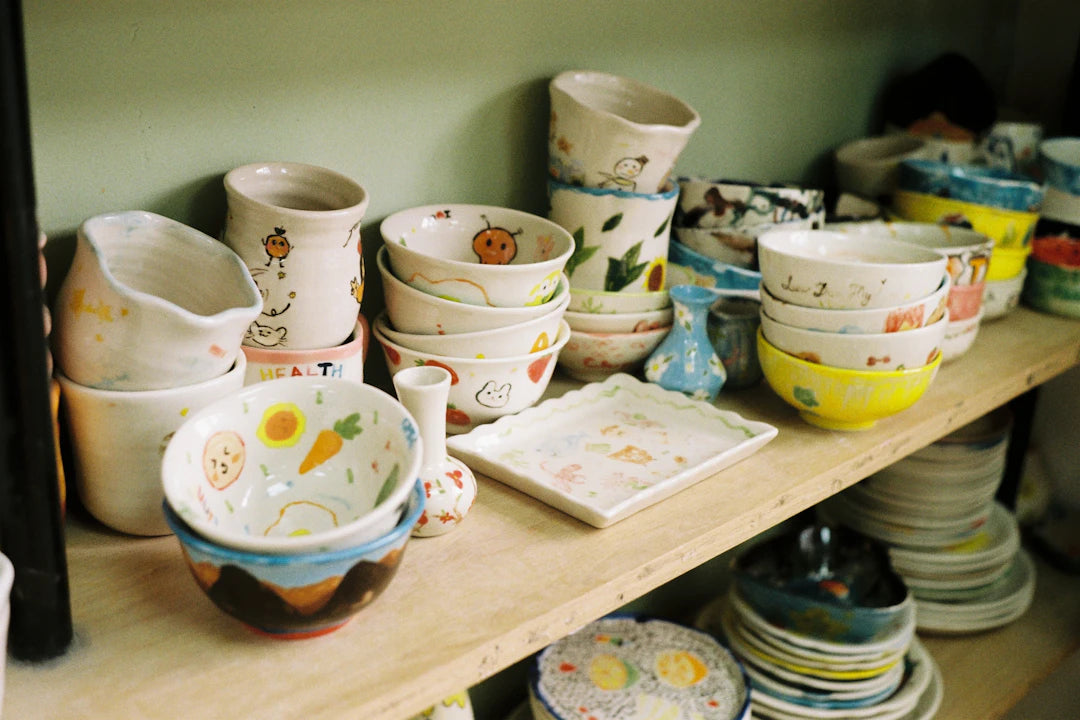
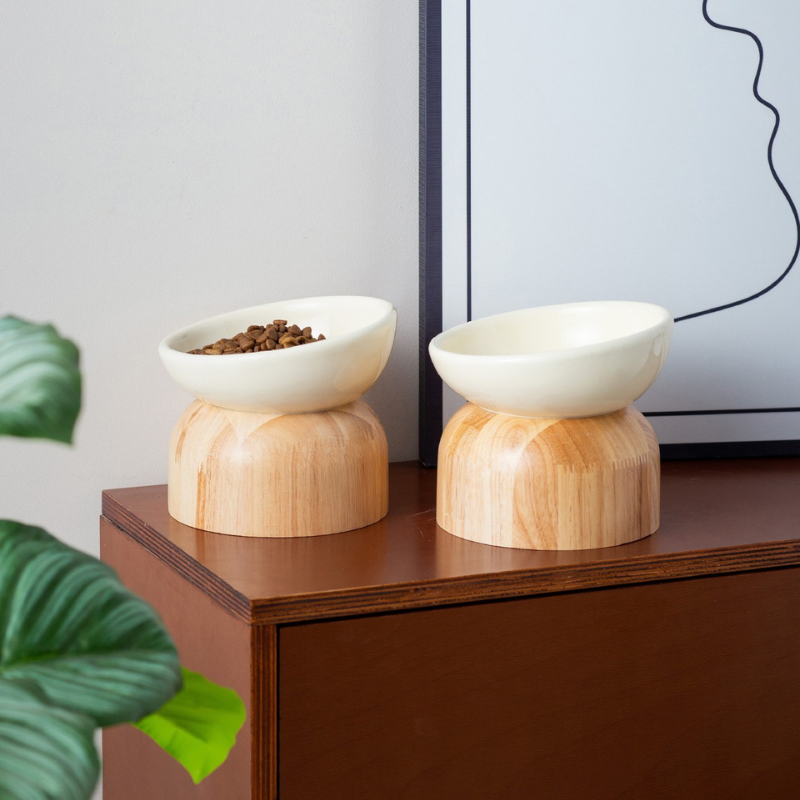
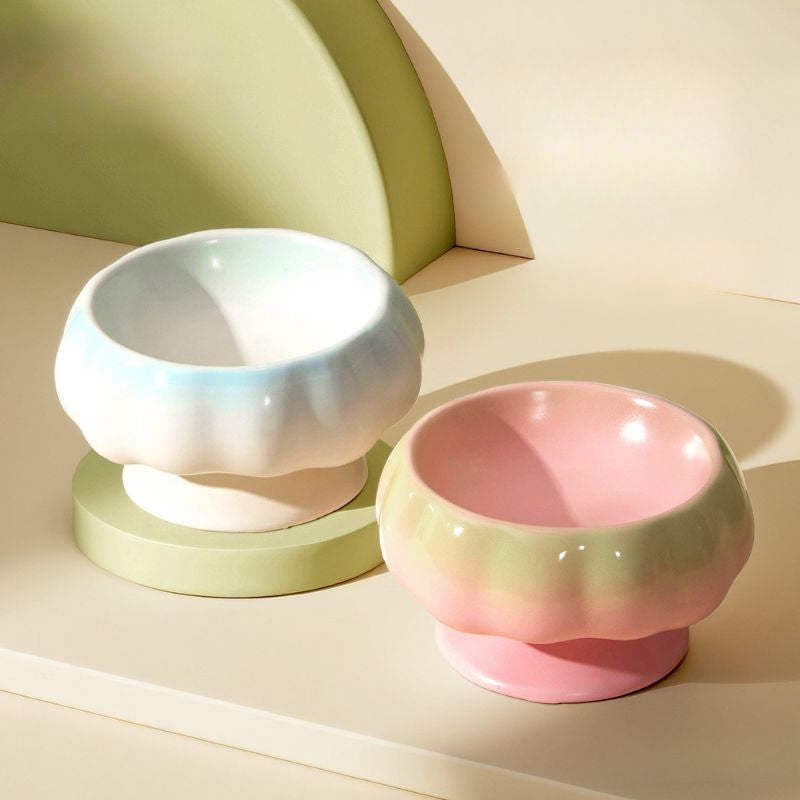
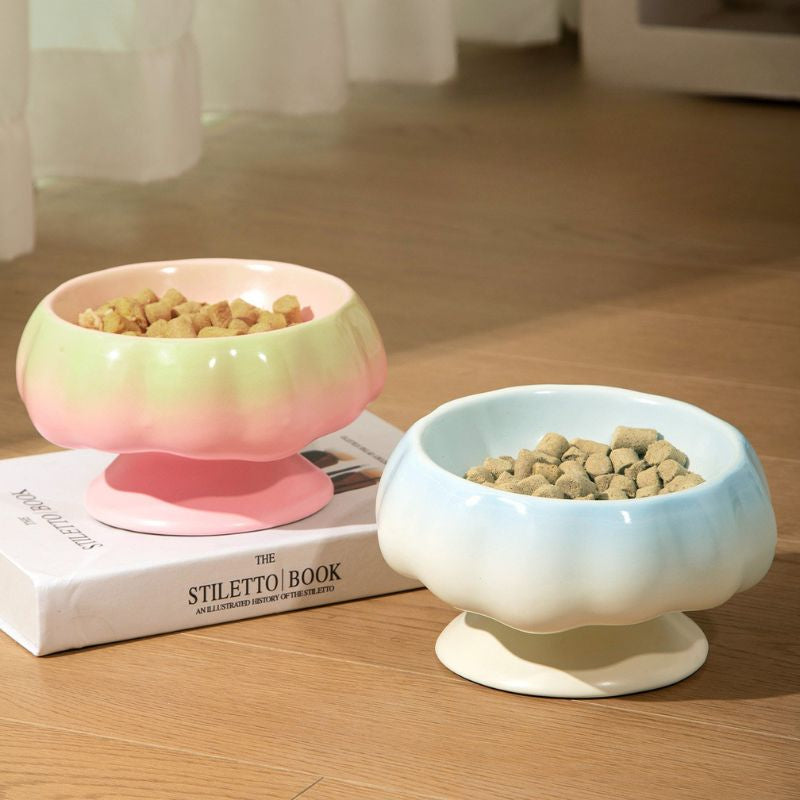
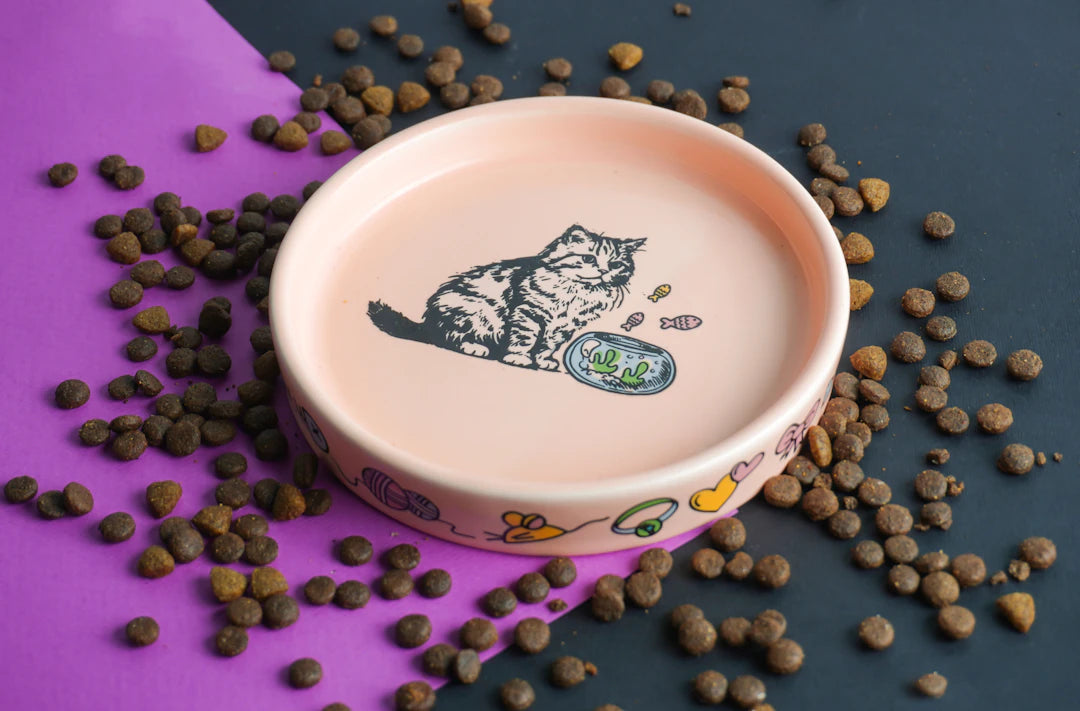
Ceramic pet bowls are made from clay that is fired at high temperatures. This process makes ceramic quite sturdy and gives it an appealing glossy finish. Many pet owners are drawn to the artistic designs often featured on ceramic bowls, which can complement any home decor.
What Are Plastic Pet Bowls?
Plastic pet bowls, on the other hand, are made from various types of plastics. These bowls are lightweight, durable, and often come in a multitude of colors and designs. While they are generally more affordable compared to ceramic options, it's essential to consider their long-term implications.
The Pros of Ceramic Pet Bowls
If you're still on the fence about choosing ceramic over plastic, here are some compelling reasons to consider ceramic pet bowls:
- Durability: Ceramic bowls are often heavy and resistant to wear and tear, which means they'll last longer than their plastic counterparts.
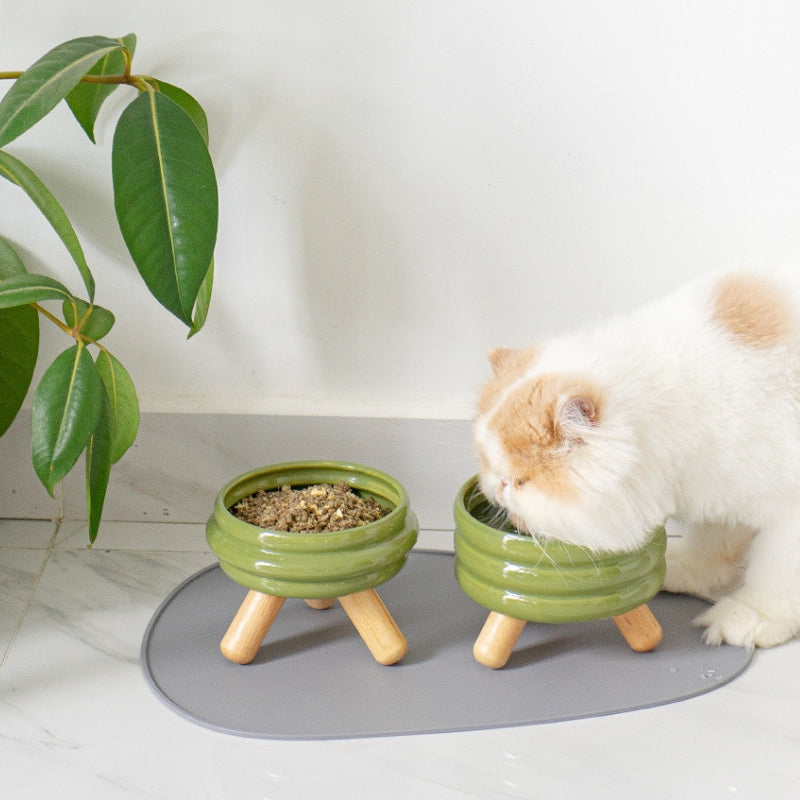
- Stability: Their weight stops pets from easily tipping them over during mealtime, particularly beneficial for dogs that may get a bit rowdy.
- Easy to Clean: Ceramic bowls can be washed in the dishwasher, making them easy to maintain cleanliness and hygiene.
- No Chemical Leaching: Unlike some plastic bowls, ceramic does not leach harmful chemicals into food or water, making them a safer option for your pet.
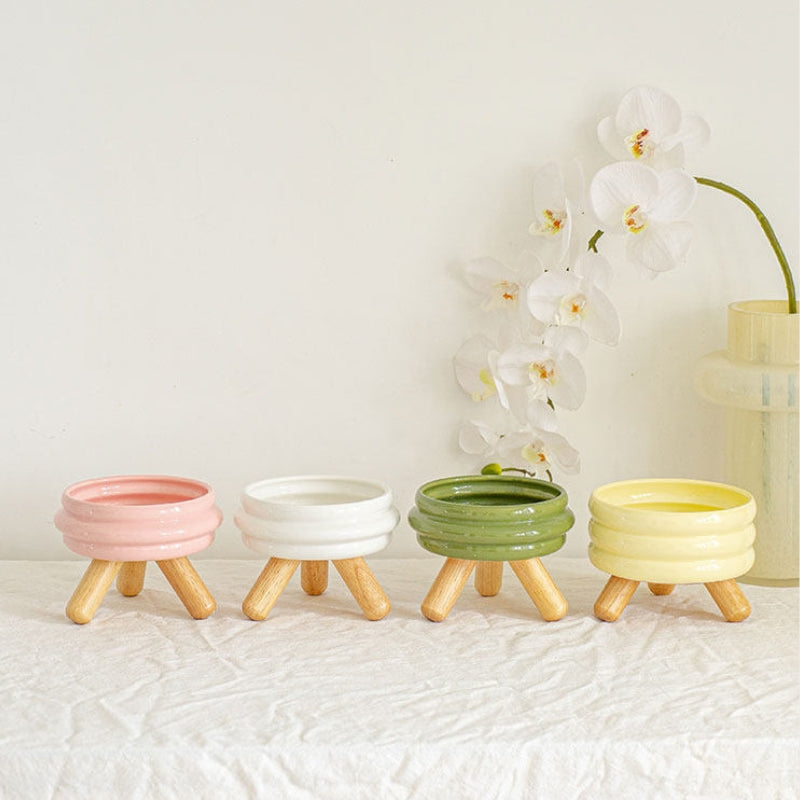
- Variety of Designs: With endless painting and glazing options, ceramic bowls can serve as stylish decor that enhances your living space.
The Advantages of Plastic Pet Bowls
While ceramic bowls offer numerous benefits, plastic bowls also come with their own set of advantages:
- Lightweight: Plastic bowls are easier to move around, especially for travel or outdoor use.
- Cost-Effective: Generally, plastic bowls are less expensive, allowing you to buy multiple bowls for different settings (home, office, etc.).
- Variety: They come in many colors and designs, providing endless choices to match your pet's personality.
- Flexibility: Plastic bowls can often be made in different shapes, which can be advantageous for specific pet needs.
Health Considerations
Health should be your top priority when choosing pet bowls. Both ceramic and plastic bowls have their implications:
Ceramic Bowls and Health
Ceramic is generally inert, meaning it doesn’t react with food or water. However, ensure the ceramic is non-toxic and lead-free. Low-quality ceramic can chip or crack, leading to potential hazards for your pet.
Plastic Bowls and Health
Plastic bowls can be prone to scratches, which makes them more susceptible to harboring bacteria. Additionally, some types of plastic can leach harmful substances like BPA. It’s essential to choose high-quality plastic bowls that are labeled as BPA-free.
The Aesthetic Factor
Your pet's bowl is often a permanent fixture in your home. Therefore, the aesthetic appeal of the bowl shouldn’t be overlooked. Here’s a comparison of how ceramic and plastic fare on the style scale:
| Feature | Ceramic | Plastic |
|---|---|---|
| Design Variety | High | Medium |
| Color Stability | Excellent | Varies |
| Choice of Finishes | Glossy, Matte | Typically Matte |
| Long-term Aesthetics | Lasting | Fading Potential |
Environmental Impact
As consumers become increasingly aware of their environmental footprint, it’s important to consider the sustainability of pet products.
Ceramic Bowls
The production of ceramic bowls does involve greater energy consumption due to the firing process. However, their long lifespan means they don’t need to be replaced as often, making them a more environmentally friendly option over time.
Plastic Bowls
Plastic bowls are generally less durable and can contribute to waste, especially since they often end up discarded after a few years. Opting for BPA-free and recyclable plastic can alleviate some concerns, but ultimately, they still represent a less sustainable choice compared to long-lasting ceramic bowls.
Maintenance and Care
Proper care and maintenance are vital for ensuring the longevity of your pet's bowl, no matter the material. Here’s how to care for each:
How to Care for Ceramic Bowls
- Hand wash or use the dishwasher for convenience.
- Check regularly for chips or cracks that could harbor bacteria.
- Avoid soaking for extended periods, as it can degrade the bowl's finish.
How to Care for Plastic Bowls
- Clean regularly to prevent scratches from accumulating bacteria.
- Replace if you notice any significant wear or fading.
- Avoid using harsh chemicals that can break down the plastic.
Final Thoughts: Making the Right Choice for Your Pet
Choosing between ceramic and plastic pet bowls boils down to various factors including the health and safety of your pet, the longevity of the bowl, and even aesthetic appeal. Ceramic bowls generally offer durability, stability, and a stylish design that can integrate seamlessly into your home décor. Meanwhile, plastic bowls provide lightweight convenience and cost-effectiveness, though they may require more frequent replacements and have potential health risks.
Ultimately, whichever type you choose, ensure that it aligns with your pet's needs and contributes to their overall well-being. Remember, whether you spoil them with the latest dog toy or provide them with a stylish feeding bowl, every little detail plays a role in nurturing our furry friends.
Engaging Squeaky Dog Toys for Interactive Playtime
Essential Ceramic Slow Feeder Bowls for Healthy Eating
Related Posts
Crafting Your Own DIY Slow Feeders for Happy Pets
Ceramic Slow Feeders to Promote Healthy Eating Habits
The Impact of Texture and Design in Slow Feeding Bowls
Ceramic Pet Bowls for Small Dogs: Practical Feeding Solutions
Spotting Overeating in Pets and Solutions to Combat It
Elevated Ceramic Pet Bowls for Mindful Feeding
Creative Ways to Encourage Slow Eating in Pets