Why Slow Feeders are Essential for Your Dog's Health
Overview
Ceramic slow feeder bowls are essential for improving your dog's health and well-being by promoting slower eating, which aids digestion, reduces the risk of choking, and helps manage weight. Certain breeds, like brachycephalic and large dogs, particularly benefit from these bowls. While there may be initial resistance and cleaning challenges, the long-term health benefits make them a worthwhile investment. Transitioning to a slow feeder can be made easier with gradual introduction and positive reinforcement.
Frequently Asked Questions
1. What is a ceramic slow feeder bowl?
2. Why do certain dog breeds need slow feeders more than others?
3. What are the health benefits of using slow feeders?
4. Are there any drawbacks to using a ceramic slow feeder bowl?
5. What tips can help transition my dog to a slow feeder?
In the bustling world of pet care, few innovations have sparked as much attention as the ceramic slow feeder bowl. Tailored for various dog breeds, these bowls are more than mere dining accessories; they're vital for enhancing the quality of your pet's life. In this article, we will delve into the importance of slow feeders and why they are particularly essential for certain breeds.
Understanding Slow Feeders
Before we explore their benefits, let’s clarify what slow feeders like the ceramic slow feeder bowl actually are. These are specially designed pet bowls that limit the speed at which dogs can eat. With built-in obstacles, they encourage pets to eat slowly, promoting better digestion and overall health.
Why Some Breeds Need Slow Feeders More Than Others
While all dogs can benefit from a slow feeding approach, certain breeds are especially prone to problems that can be alleviated with a slow feeder. Understanding your dog’s needs is critical for their well-being. Here's a closer look at why specific breeds benefit from these thoughtful designs:
1. Brachycephalic Breeds
Brachycephalic breeds, such as Bulldogs, Pugs, and Boxers, are known for their shortened skull structure. This can make eating a more complex task.
- Eating too quickly can lead to choking, gagging, or even aspiration pneumonia.
- Using a slow feeder helps manage their intake by forcing them to navigate around obstacles.
2. Large Breeds
Large breeds like Great Danes, Mastiffs, and Rottweilers are at risk for bloat, a life-threatening condition. Here’s how slow feeders help:
- Preventing gulping: These dogs often inhale their food, leading to stomach distension.
- Reducing risks: A ceramic slow feeder bowl encourages a steady pace, minimizing potential hazards.
3. Highly Energized Breeds
Breeds with naturally high energy like Border Collies and Jack Russell Terriers can easily develop anxiety and overeating habits. Slow feeders offer more than just a slow dining experience; they also:
- Encourage mental engagement: Slower eating encourages them to focus and engage with their food.
- Reduce anxiety: Utilizing a slow feeder can calm an overly excited dog, making mealtime a more relaxing experience.
The Health Benefits of Using Slow Feeders
The benefits of a ceramic slow feeder bowl extend far beyond just the breeds mentioned above. Let's explore the overall health gains that come from changing the pace of dining.
| Health Benefit | Description |
|---|---|
| Improved Digestion | Eating slowly can help with better digestion, as it allows the stomach and enzymes to work correctly. |
| Reduced Risotto Intake | Minimizing the risk of bloat and other gastric issues can significantly improve your dog’s overall health. |
| Weight Management | Slow feeders help control portions, helping to maintain a healthy weight and prevent obesity. |
| Mental Stimulation | Slower feeding methods encourage problem-solving and can reduce boredom. |
Are There Any Drawbacks?
While ceramic slow feeder bowls offer numerous advantages, it’s important to consider potential drawbacks, as well. Here are a few:
- Initial Resistance: Some dogs might be hesitant to use a slow feeder initially. Patience is key!
- Cleaning: These bowls can be somewhat more challenging to clean than traditional pet bowls, depending on the design.
- Cost: High-quality ceramic slow feeders come at a higher initial investment, but the long-term health benefits outweigh the cost.
Tips for Transitioning to a Slow Feeder
Making the switch to a ceramic slow feeder bowl can be seamless when approached sensibly. Here are some tips:
- Introduce Gradually: Start by mixing some of their regular food with portions placed in the slow feeder, helping them get comfortable with the new design.
- Monitor Behavior: Watch how your pet interacts with the slow feeder. Make adjustments as necessary based on their comfort level.
- Positive Reinforcement: Encourage usage by employing positive reinforcement—reward your dog with praise when they eat from the slow feeder.
- Routine Check: Ensure the bowl remains clean and in good condition for the health of your pet.
Choosing the Right Slow Feeder Bowl
Finding the perfect ceramic slow feeder bowl for your dog involves more than just picking one off the shelf. It’s essential to consider a few factors:
1. Size and Depth
The bowl should suit your dog's size and eating style. A larger, deeper bowl may benefit larger breeds, whereas a shallower dish suffices for smaller ones.
2. Design Features
Different designs offer varying levels of challenge. A bowl with high ridges might work well for some breeds, but may frustrate others. Look for a design that matches your dog's personality and quirks.
3. Ease of Cleaning
Choose a bowl that’s dishwasher-safe or easy to clean by hand. Dogs can be messy eaters, and a clean pet bowl is essential for preventing bacteria growth.
Making Mealtime Exciting
In addition to being functional, same ceramic slow feeders can invigorate the mealtime experience for your pet. You can mix it up with creative feeding practices:
- Interactive Play: Try hiding food in the slow feeder that requires your dog to “hunt” it out.
- Food Puzzles: Utilize puzzle toys that can add a level of fun and engagement to mealtime.
- Occasional Treats: Use the slow feeder for treats, as long as they fit in with healthy feeding guidelines.
Final Thoughts: Elevate Your Dog’s Health Today!
The addition of a ceramic slow feeder bowl to your dog's dining routine can dramatically improve their life quality. From enhanced digestion to effective weight management, these innovative bowls serve a greater purpose than keeping your dog entertained at mealtime. By making this simple switch, you’re investing in their long-term health and happiness! If you're interested in the well-being of your furry friend, it’s time to make slow feeding a priority. Make the change today and watch your beloved pet thrive!
Linked Product
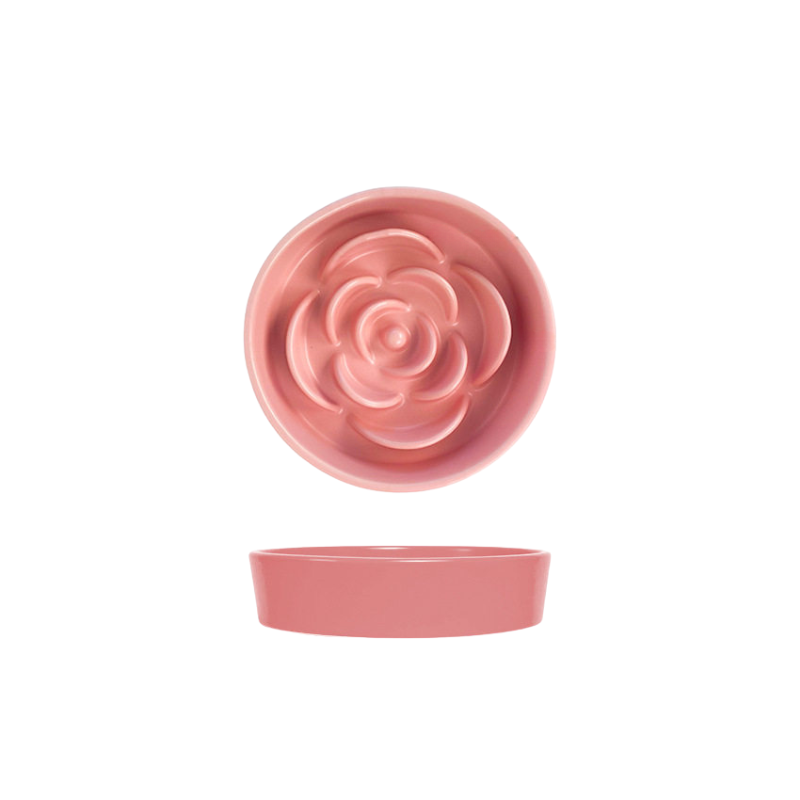
Ceramic Slow Feeder Bowl for Medium & Large Dogs – Anti-Choking Pet Feeding Bowl
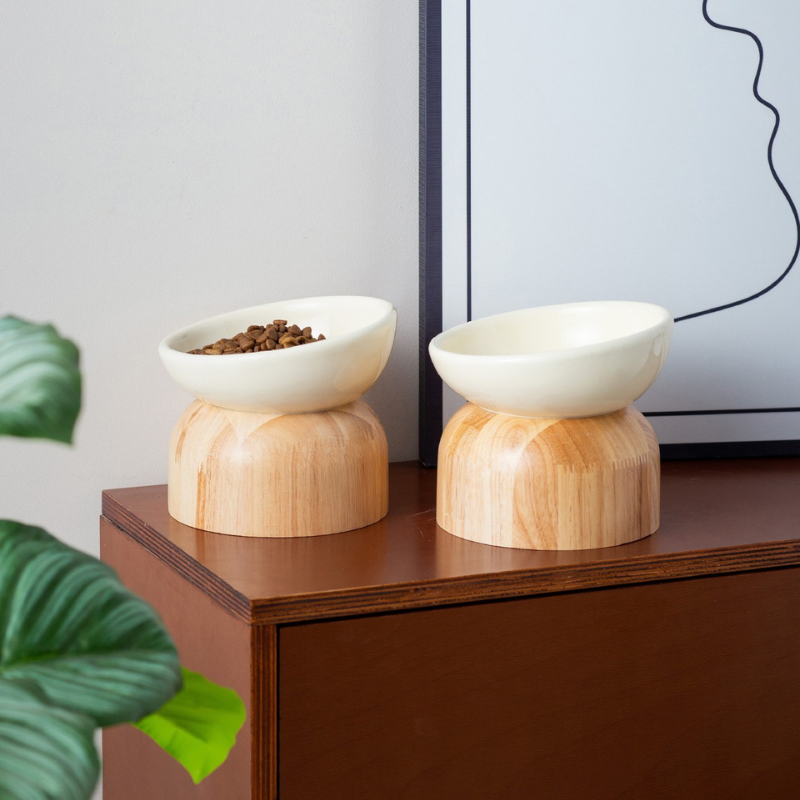
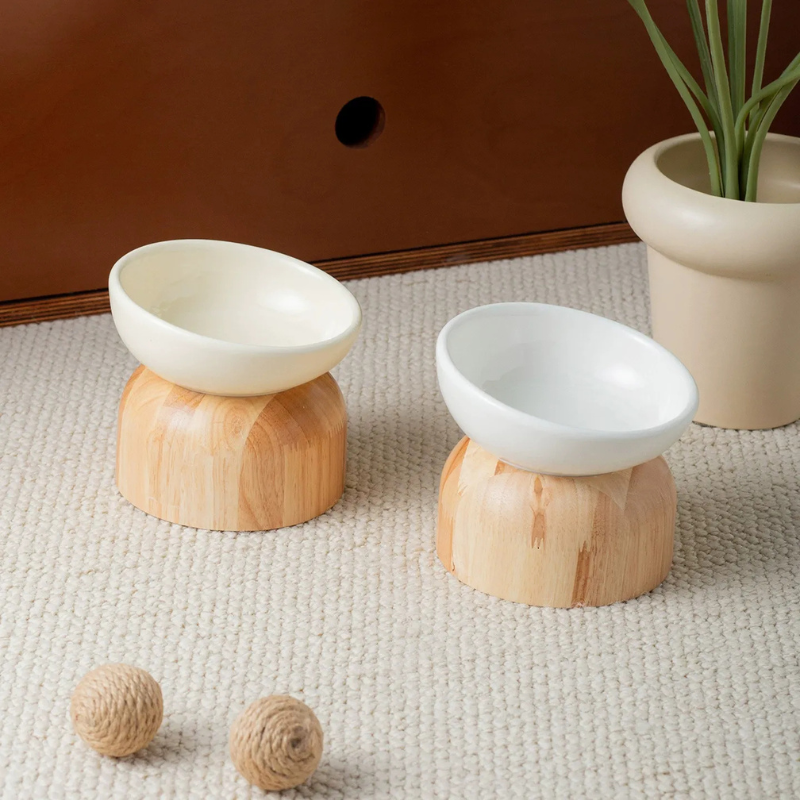
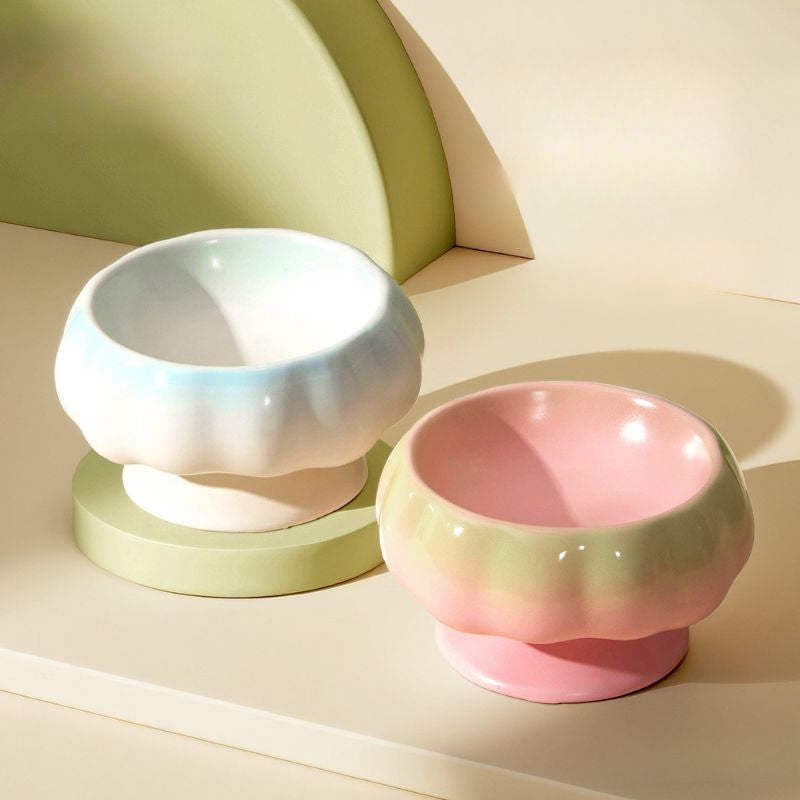
The Ceramic Slow Feeder Bowl is specifically tailored for medium and large dogs, promoting a healthier eating pace and minimizing the risk of choking. Its slow-feeding design encourages controlled consumption, making it ideal for dogs prone to rapid eating. Crafted from durable ceramic, this bowl is stable and easy to clean, enhancing daily feeding routines.
View ProductEssential Ceramic Slow Feeder Bowls for Healthy Eating
Engaging Cat Toys for Indoor Self-Entertainment
Related Posts
Crafting Your Own DIY Slow Feeders for Happy Pets
Ceramic Slow Feeders to Promote Healthy Eating Habits
The Impact of Texture and Design in Slow Feeding Bowls
Ceramic Pet Bowls for Small Dogs: Practical Feeding Solutions
Spotting Overeating in Pets and Solutions to Combat It
Elevated Ceramic Pet Bowls for Mindful Feeding
Creative Ways to Encourage Slow Eating in Pets