Understanding the Science Behind Slow Feeding
Overview
Fast feeding can cause health issues in dogs, such as bloat and obesity. Slow feeding improves digestion, aids weight management, and reduces bloat risk. Use specially designed bowls to encourage slower eating and enhance mental stimulation. Transition gradually and make mealtime enriching for your pet's overall well-being.
Frequently Asked Questions
1. Why do dogs eat so fast?
2. What are the health risks of fast feeding in dogs?
3. What benefits does slow feeding provide for dogs?
4. How can I choose the right dog bowl for slow feeding?
5. How can I transition my dog to a slow feeding routine?
Have you ever watched your furry friend inhale their food as if it were their last meal? While it may seem normal for dogs to eat quickly, this behavior can lead to health issues. In this article, we’ll explore the science behind slow feeding, how it benefits your pet’s health, and practical ways to implement this feeding method using the right dog bowl. Let’s dive in!
The Problem with Fast Feeding
Fast feeding can impact your dog's health in several ways. When dogs eat too quickly, they often swallow air, which can lead to bloat and discomfort. Bloat is a severe condition that can occur in just a few hours and may require emergency medical attention. Additionally, rapid eating doesn't allow for proper digestion and can lead to issues such as indigestion and obesity.
Why Do Dogs Eat So Fast?
There are various reasons why a dog may chow down their food in a hurry:
- Instinctual Behavior: In the wild, fast-eating is often necessary to secure food from competing animals.
- Fear of Competition: If a dog senses another pet or family member nearby, they may rush to eat before someone else claims it.
- Excitement: Sometimes, the sheer excitement of mealtime can lead to overeager consumption.
The Science of Slow Feeding
Now that we’ve established the concerns with fast feeding, let’s take a closer look at how slow feeding can make a positive impact on your dog's health.
1. Improved Digestion
A dog bowl designed for slow feeding allows your dog to take smaller bites and chew their food more thoroughly. This process improves digestion by breaking down food particles into smaller pieces, making it easier for their stomach to do its job.
2. Weight Management
When dogs eat too quickly, they often consume larger portions before their brain signals them to stop eating. A slow feeding dog bowl encourages moderation, allowing for better weight control and reducing the risk of obesity.
3. Reduced Risk of Bloat
As mentioned earlier, fast eating can lead to the dangerous condition known as bloat. By slowing down the eating process, a specially designed dog bowl can help mitigate this risk, ensuring your furry friend remains safe during mealtimes.
Choosing the Right Dog Bowl for Slow Feeding
When selecting a dog bowl that promotes slow feeding, consider the following factors:
| Feature | Description |
|---|---|
| Material | Opt for durable, non-toxic materials like stainless steel or BPA-free plastic. |
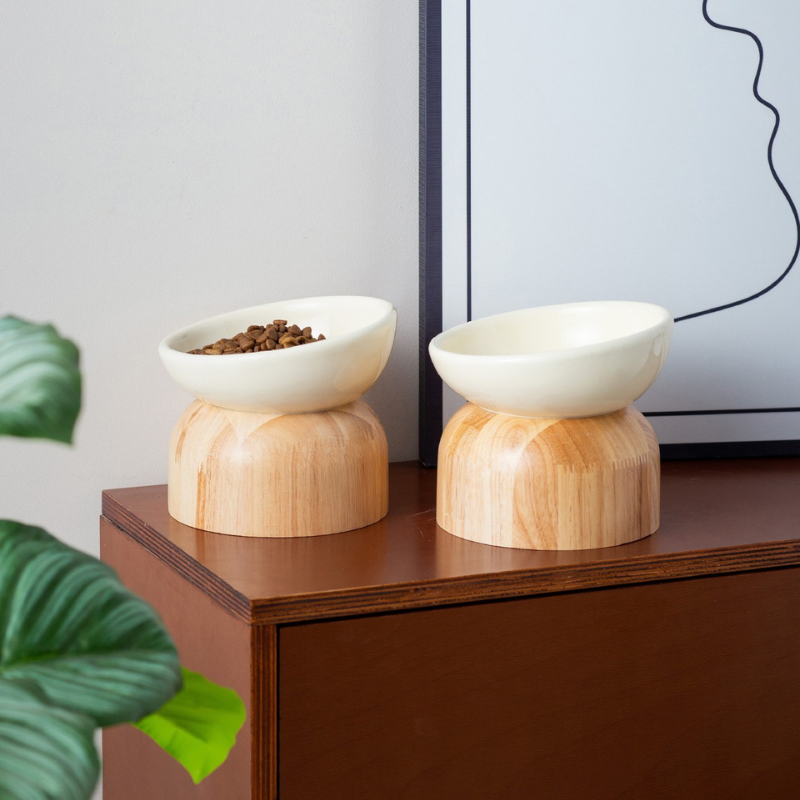
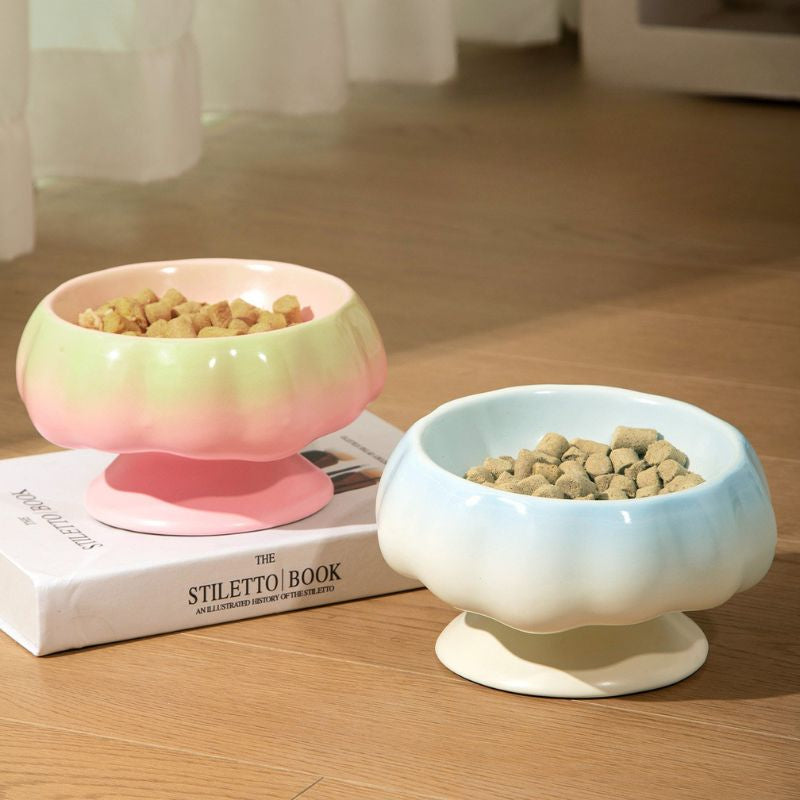
| Design | Look for bowls with ridges, mazes, or raised sections that require your dog to navigate around while eating. |
| Size | The bowl should be appropriately sized for your dog to prevent tipping and messing. |
| Ease of Cleaning | Choose dishwasher-safe options for convenience. |
4. Enhancing Mental Stimulation
In addition to the physical health benefits, slow feeding promotes mental stimulation. A bowl with obstacles or different shapes challenges your dog’s problem-solving skills. This mental workout is essential, especially for energetic breeds that require more than just physical exercise to thrive.
How to Transition to Slow Feeding
Transitioning your dog to a slow-feeding routine doesn’t have to be complicated. Here’s a step-by-step guide:
- Start Gradually: Don’t switch to a slow feeder immediately. Mix their regular bowl with the new slow-feeding bowl.
- Monitor Portion Sizes: Ensure you are still giving the correct portion sizes, as slow feeding might make it look like there’s less food.
- Be Patient: Allow your dog time to adapt to the new feeding method and bowl design. Some dogs might take longer than others.
- Make it Fun: Create a routine around feeding time to keep your dog excited about mealtimes—consider using specific cues to indicate it's time to eat.
The Role of Enrichment in Feeding
Feeding should not just be a task but an enriching experience for your dog. Incorporating slow feeding bowls can help turn what seems like a mundane chore into an exciting scavenger hunt. For instance, you can scatter kibble around a larger area or use puzzle feeders that dispense food while providing mental engagement.
Why Slow Feeding Matters
Ultimately, slow feeding is more than just a way to control how fast your dog eats; it’s essential for their overall well-being. Dogs who practice slow feeding tend to enjoy improved health outcomes, from reduced risks of digestive issues to better weight management habits. Moreover, the mental stimulation that comes with these feeding strategies keeps their minds sharp, leading to happier, more balanced dogs.
Final Thoughts on Embracing the Slow Feeding Trend
As dog owners, it is our responsibility to ensure the health and happiness of our furry companions. Slow feeding is more than a trendy buzzword; it is a scientifically-backed approach that enhances your dog's well-being. By investing in the right dog bowl and adhering to a slow feeding routine, you’re setting your pet up for success and a healthier lifestyle. Remember, every meal is an opportunity for enrichment, so make it count!
Engaging Interactive Cat Toys for Playful Kittens
Natural Materials for Engaging Cat Toys
Related Posts
Crafting Your Own DIY Slow Feeders for Happy Pets

Ceramic Slow Feeders to Promote Healthy Eating Habits
The Impact of Texture and Design in Slow Feeding Bowls
Ceramic Pet Bowls for Small Dogs: Practical Feeding Solutions
Spotting Overeating in Pets and Solutions to Combat It
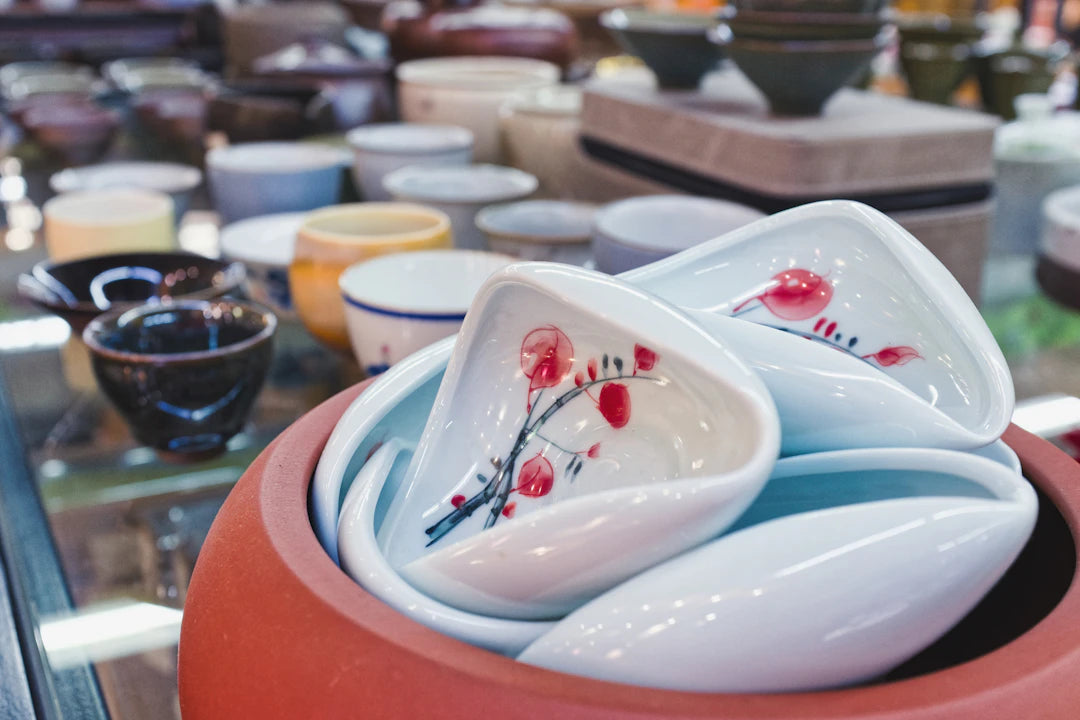
Elevated Ceramic Pet Bowls for Mindful Feeding
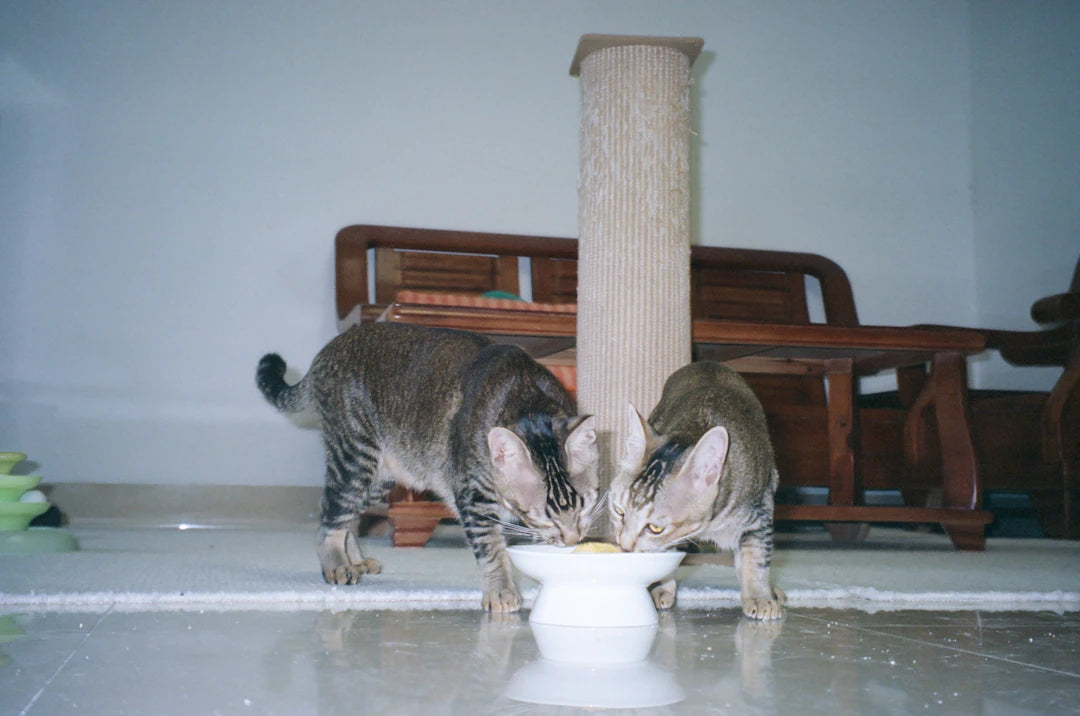
Creative Ways to Encourage Slow Eating in Pets