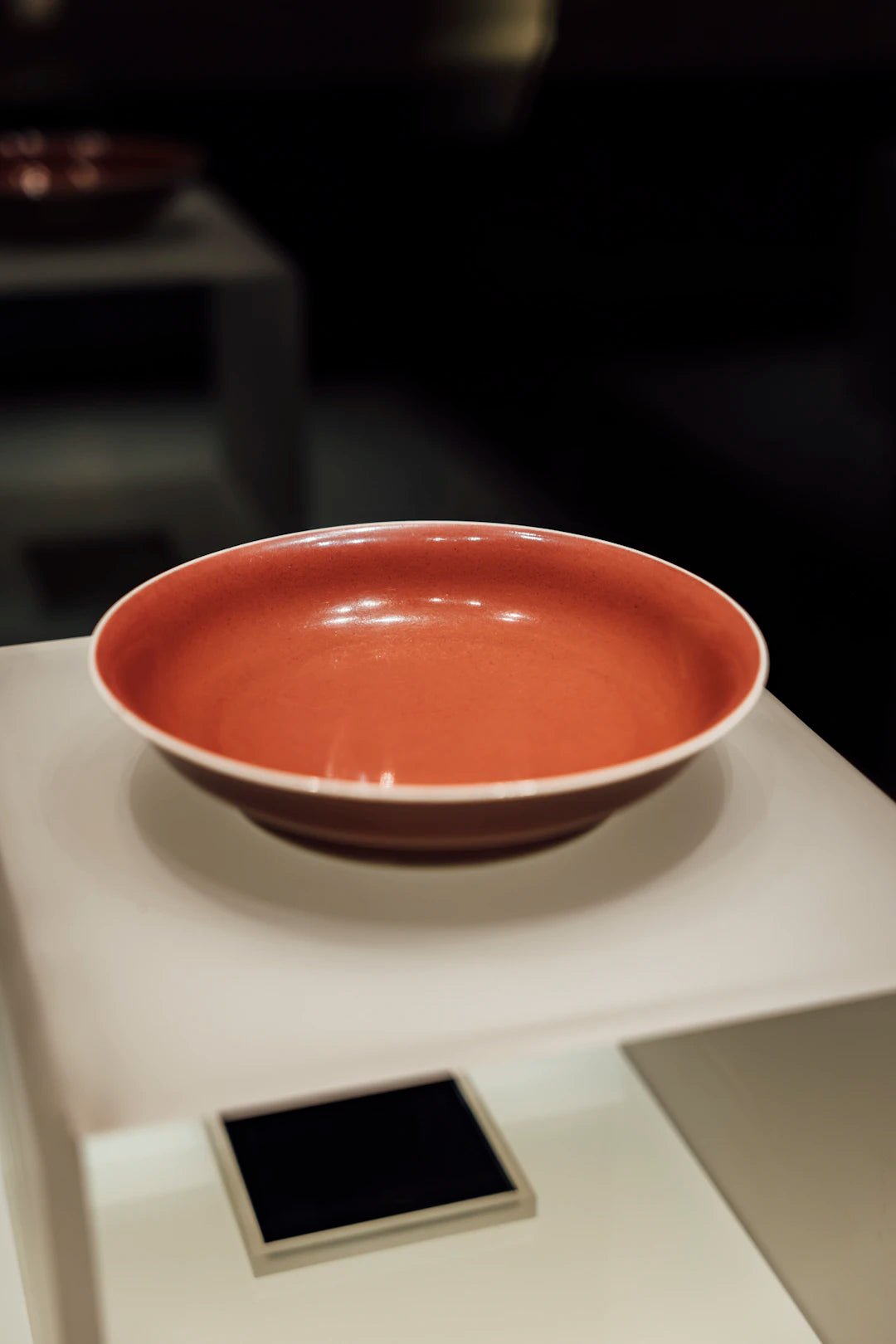
Essential Tips for Caring for Your Ceramic Pet Bowls
Overview
Caring for ceramic pet bowls is essential for your pets' health and happiness. Key maintenance tips include daily and weekly cleaning routines, avoiding extreme temperatures, and regularly inspecting for damage. Choosing the right bowl size and integrating toys during feeding can enhance your pets' experience. Clean bowls reduce the risk of illness and promote overall well-being. Prioritize proper care to ensure your furry friends thrive.
Table of Contents
- Why Choose Ceramic Pet Bowls?
- Cleaning Your Ceramic Pet Bowls
- Daily Cleaning Routine
- Weekly Deep Cleaning
- Handling and Care Tips for Ceramic Bowls
- Avoiding Extreme Temperatures
- Inspecting for Damage
- Minimizing Slippage
- Choosing the Right Size
- For Small Dog Bowls
- Adjusting for Pet Growth
- Integrating Toys into Feeding Time
- Extra Tips for Ceramic Bowl Longevity
- The Health Benefits of Clean Bowls
- A Love for Your Pets Goes Beyond Basic Needs
Key Takeaways
- Ceramic bowls are durable and can withstand wear and tear, making them a long-lasting choice for pet owners.
- Daily cleaning is essential: empty, rinse, scrub with mild soap, and dry thoroughly to maintain hygiene.
- Weekly deep cleaning involves soaking in warm soapy water, scrubbing with a non-abrasive brush, and checking for damage.
- Avoid extreme temperatures when using ceramic bowls to prevent thermal shock and potential cracking.
- Regularly inspect bowls for chips and cracks; replace damaged bowls to ensure pet safety and health.
- Choose the right size of bowls to fit your pet’s needs, ensuring comfort and preventing tipping during feeding.
- Integrate toys during feeding to provide mental stimulation and enhance bonding with your pets.
Frequently Asked Questions
1. Why are ceramic pet bowls a good choice for my pets?
2. How should I clean my ceramic pet bowls daily?
3. What is the recommended method for deep cleaning ceramic pet bowls?
4. How can I prevent damage to my ceramic pet bowls?
5. What are some extra tips for extending the life of ceramic pet bowls?
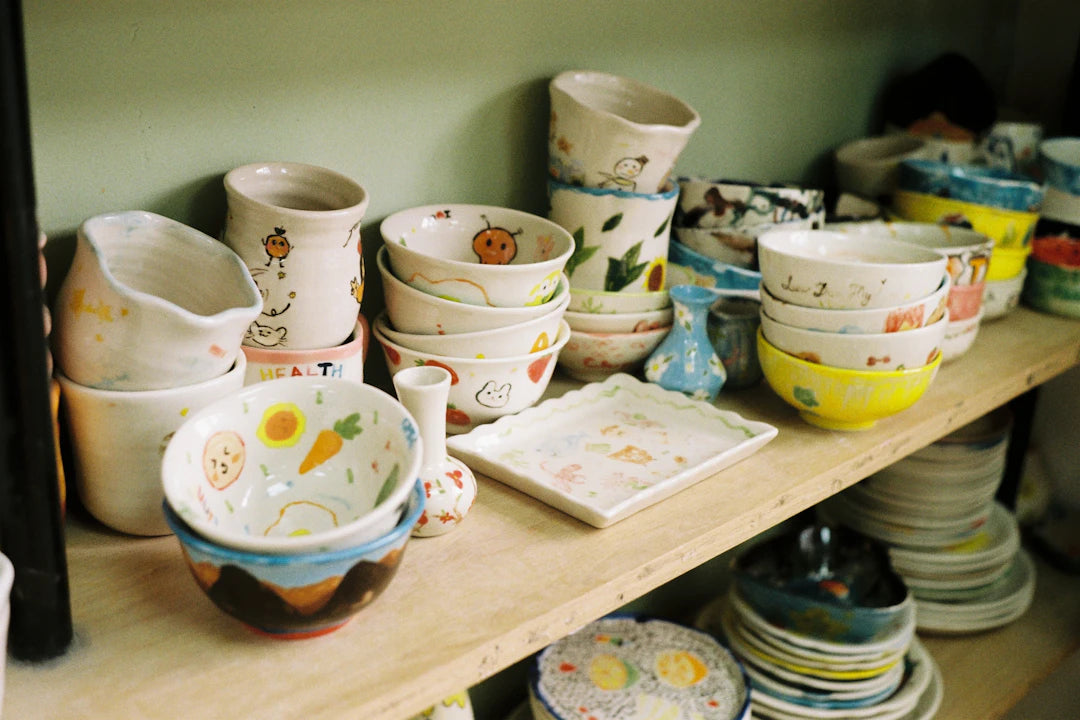
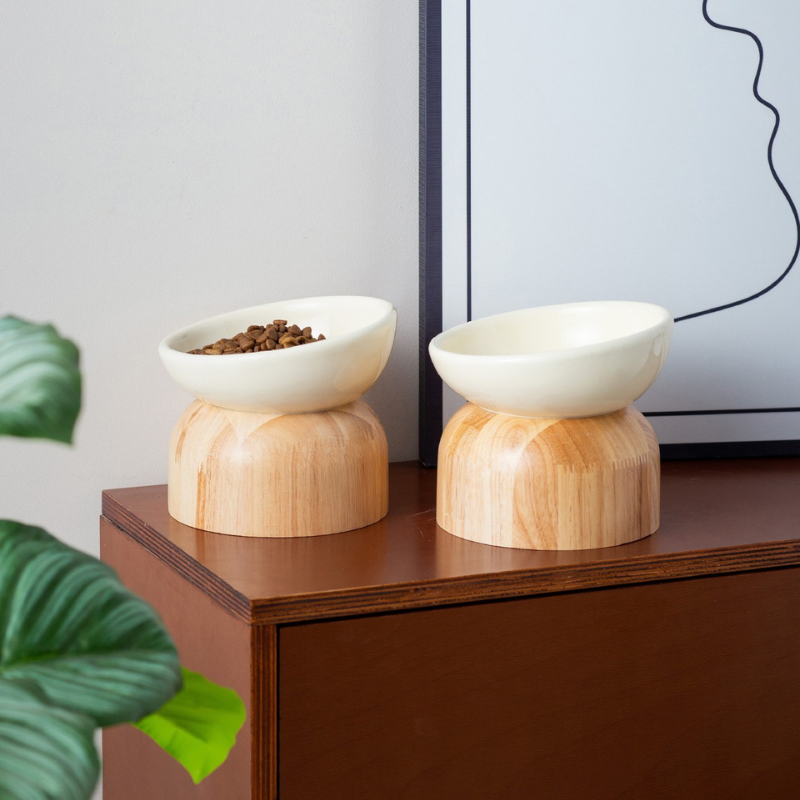
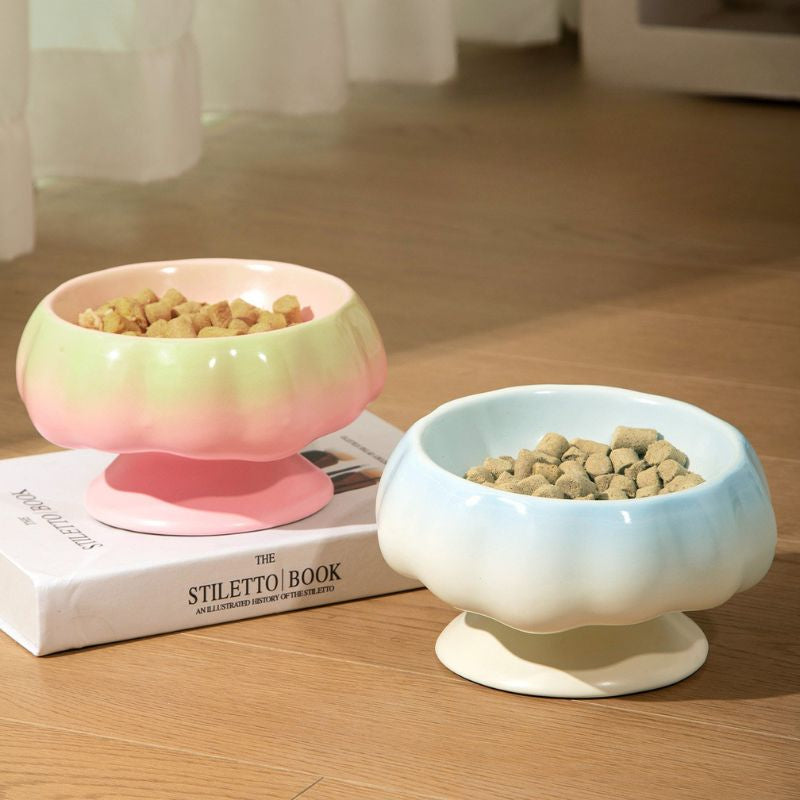
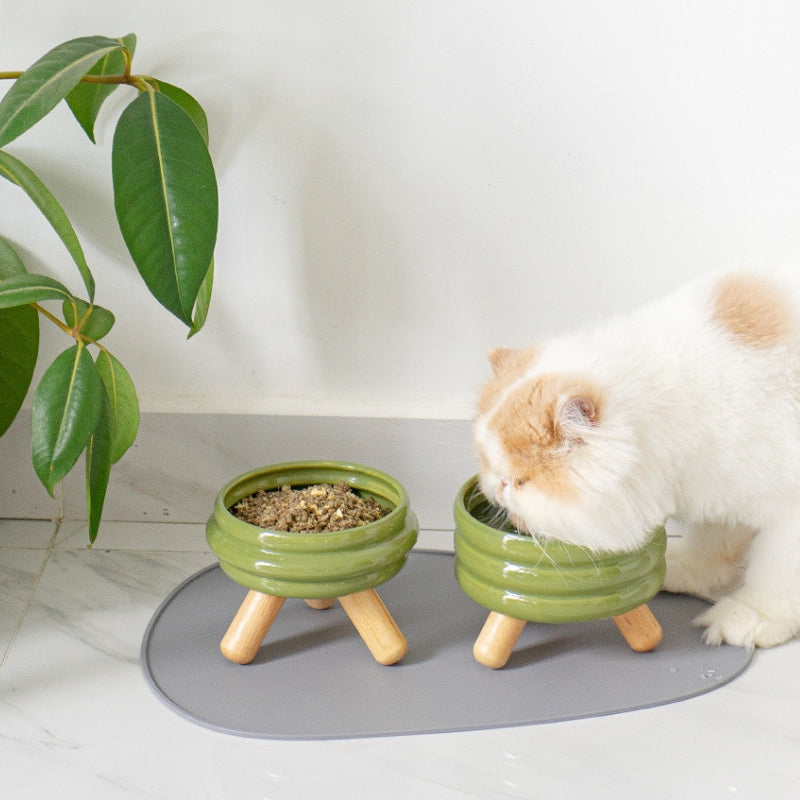
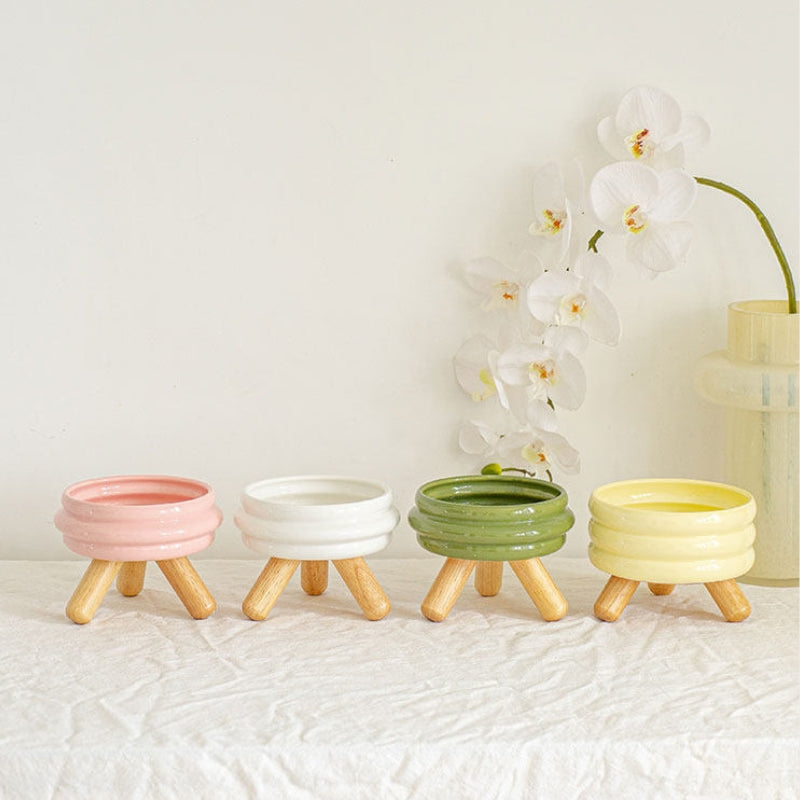
Caring for your ceramic pet bowls is more than just a good idea; it's essential to ensure your beloved pets stay healthy and happy. Ceramic bowls are a popular choice among pet owners due to their aesthetic appeal and durability, but they require specific maintenance practices to keep them in top condition. In this article, we will discuss effective cleaning and care techniques to extend the life of your ceramic pet bowls and ensure they remain safe for your furry friends.
Why Choose Ceramic Pet Bowls?
Before diving into the maintenance tips, let’s explore why ceramic pet bowls are a favored choice. Here are some key benefits:
- Durability: Ceramic bowls are known for their strength and can withstand wear and tear over time.
- Non-toxic: Made from natural materials, ceramic bowls are free of harmful chemicals, making them a safer option for your pets.
- Easy Cleaning: These bowls are often dishwasher safe, which simplifies the cleaning process.
- Aesthetic Appeal: Available in numerous designs and colors, ceramic bowls can complement your home décor.
Cleaning Your Ceramic Pet Bowls
Proper cleaning is essential for your pet's well-being. Failing to maintain a clean bowl can lead to bacterial growth, resulting in health issues for your pets. Here are several key methods for cleaning your ceramic pet bowls:
Daily Cleaning Routine
Implementing a daily cleaning routine is crucial for maintaining the hygiene of your pet bowls. Here’s a simple step-by-step guide:
- Empty the bowl and discard any leftover food or water.
- Rinse the bowl with warm water to remove any residues.
- Use mild dish soap and a soft sponge to scrub the bowl, focusing on any stubborn spots.
- Rinse thoroughly with warm water to remove all soap traces.
- Dry the bowl with a clean towel or allow it to air dry completely before refilling it.
Weekly Deep Cleaning
In addition to daily cleaning, performing a deep clean every week is advisable:
- Soak the bowl in warm soapy water for about 20-30 minutes to loosen any grime.
- Use a non-abrasive brush or sponge to scrub all surfaces.
- Consider using a mixture of vinegar and baking soda for stubborn stains. Apply the mixture, let it sit for a few minutes, then scrub and rinse.
- Always ensure the bowl is thoroughly rinsed to prevent any cleaning agent residue.
- Check for any chips or cracks and replace the bowl if you find any.
Handling and Care Tips for Ceramic Bowls
While ceramic bowls are robust, they need gentle handling to prevent cracks and chips. Here are some care tips to extend the lifespan of your bowls:
Avoiding Extreme Temperatures
Ceramic can be sensitive to temperature changes. Avoid placing hot foods in cold bowls or vice versa, as this could lead to thermal shock and cracks. Always ensure that the bowl is at room temperature when introducing food or water.
Inspecting for Damage
Regularly inspecting your ceramic pet bowls for signs of wear and tear is vital. Look for:
| Type of Damage | Possible Consequence | Recommended Action |
|---|---|---|
| Chips | Risk of injury to pets | Replace the bowl |
| Cracks | Bacterial growth | Replace the bowl |
| Fading Color | Unattractive appearance | Consider a new design |
Minimizing Slippage
Ceramic bowls can be slippery, especially on hardwood or tile floors. To minimize slippage:
- Place the bowl on a non-slip mat or use bowls with a rubber base.
- Alternatively, consider using a small dog bowl that is heavier to prevent movement during feeding.
Choosing the Right Size
Selecting the appropriate size of ceramic pet bowls is essential for the comfort and health of your pets. Here are some factors to consider when choosing the right size:
For Small Dog Bowls
If you have a small dog, it’s best to opt for a bowl that fits their size. A small dog bowl should:
- Be low enough for the pet to access easily without straining.
- Have a capacity that meets their dietary needs without overloading them.
- Be lightweight enough for easy handling but sturdy enough to resist tipping.
Adjusting for Pet Growth
If you have a growing puppy, consider choosing a slightly larger bowl to accommodate their increasing appetite, but ensure it’s still manageable for their size.
Integrating Toys into Feeding Time
Feeding times can be a wonderful opportunity for bonding with your pets. Integrating pet toys during feeding can provide mental stimulation and potential health benefits. Here’s how:
- Use food-dispensing toys that require your pet to manipulate the toy to receive their food. This encourages play and reduces boredom.
- Introduce puzzle toys filled with kibble to engage your pets while they eat.
- Rotate different pet toys regularly to maintain interest during meal times.
Extra Tips for Ceramic Bowl Longevity
In addition to regular cleaning and care, consider these extra tips to further enhance the longevity of your ceramic pet bowls:
- Store your ceramic bowls in a safe place—avoid stacking them to prevent chipping.
- Limit the use of harsh chemical cleaners which can damage the ceramic surface.
- Consider keeping bowls in a designated feeding area to reduce accidental impacts.
The Health Benefits of Clean Bowls
Maintaining clean ceramic bowls can have a direct positive impact on your pet’s health:
- Reduced risk of foodborne illnesses
- Minimized bacterial growth that can cause infections or upset stomach
- Encouragement of proper hydration and nutrition, leading to overall well-being
A Love for Your Pets Goes Beyond Basic Needs
Maintaining your ceramic pet bowls is an act of love for your furry friends. By establishing good cleaning habits, being attentive to wear and tear, and integrating fun elements like pet toys, you are investing in their happiness and health. Remember, a cheerful pet is often a healthy pet. So, take the time to perfect your ceramic bowl care routines, and watch your furry family thrive!
Glossary
| Term | Meaning |
|---|---|
| Ceramic Bowls | Durable pet bowls made from natural materials. |
| Daily Cleaning | Routine cleaning to maintain hygiene and prevent bacteria. |
| Deep Cleaning | Thorough cleaning performed weekly to remove grime. |
| Thermal Shock | Cracking caused by extreme temperature changes. |
| Non-slip Mat | A mat used to prevent bowls from sliding on floors. |
| Chips | Small breaks in the bowl that can cause injury. |
| Puzzle Toys | Toys that engage pets mentally during feeding. |
| Weight Capacity | Amount of food a bowl can hold without spilling. |
| Bacterial Growth | Increase in harmful bacteria due to unclean bowls. |
| Feeding Area | Designated space for pet bowls to minimize accidents. |
Linked Product
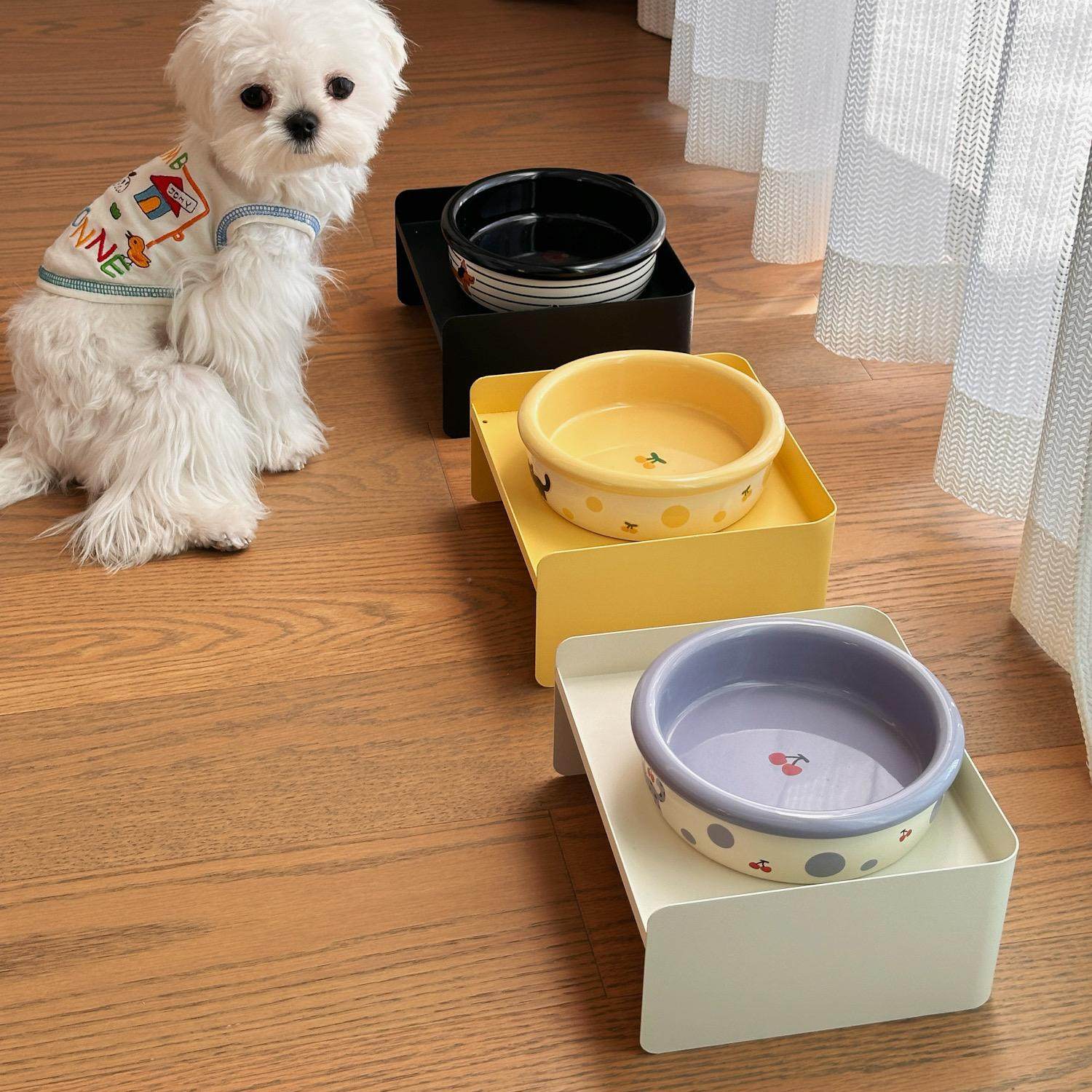
Ceramic Pet Bowl for Cats & Small Dogs – Everyday Feeding Bowl
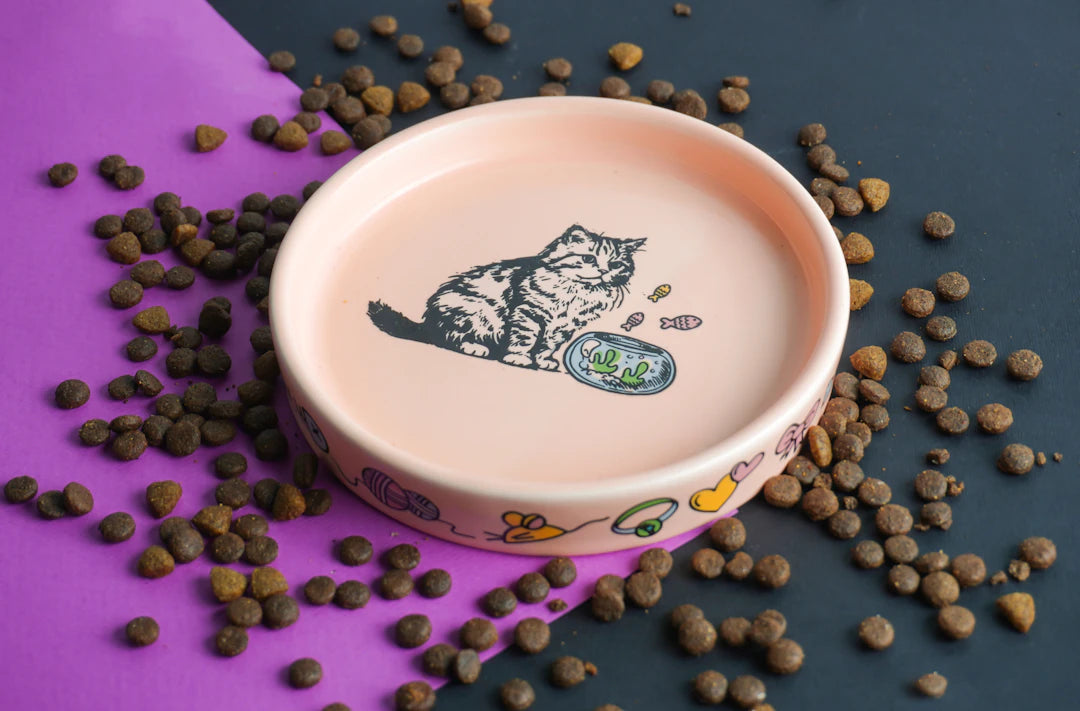
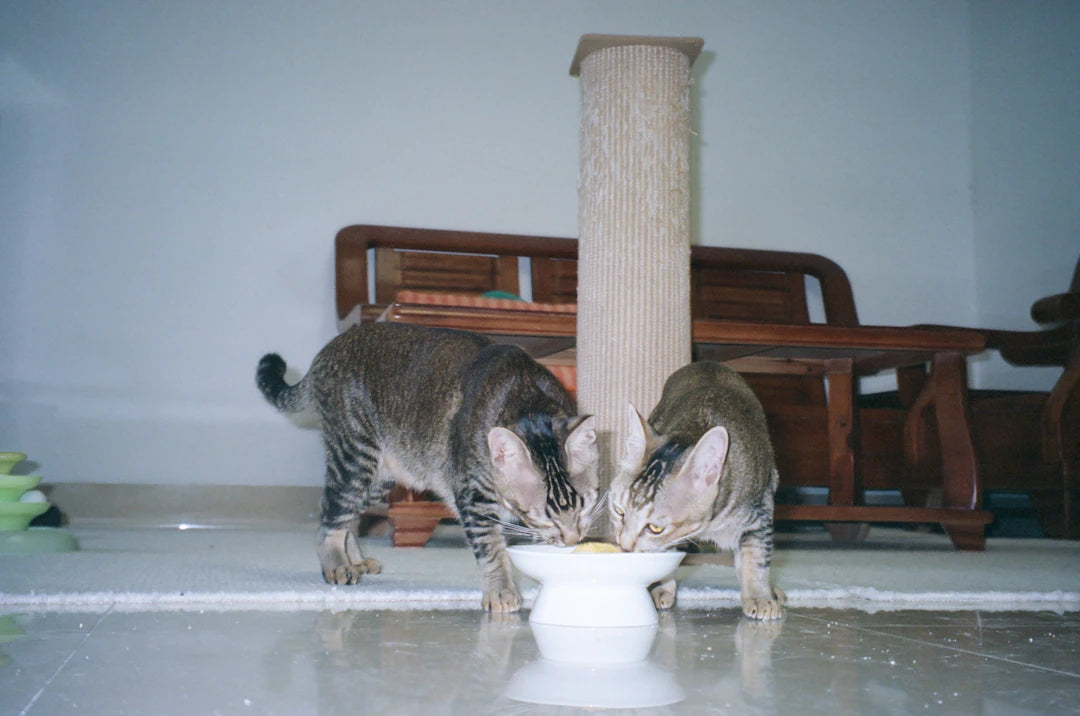
The Ceramic Pet Bowl for Cats & Small Dogs is an ideal choice for daily feeding, accommodating both dry and wet food as well as water. Its smooth ceramic surface ensures easy cleaning, making it practical for regular use in both single-pet and multi-pet households. This bowl provides a reliable and straightforward feeding solution for your furry companions.
View ProductDurable Ceramic Slow Feeders for Medium & Large Dogs
Ceramic Pet Bowls for Healthy Slow Feeding Across Sizes
Related Posts
Crafting Your Own DIY Slow Feeders for Happy Pets
Ceramic Slow Feeders to Promote Healthy Eating Habits
The Impact of Texture and Design in Slow Feeding Bowls
Ceramic Pet Bowls for Small Dogs: Practical Feeding Solutions
Spotting Overeating in Pets and Solutions to Combat It
Elevated Ceramic Pet Bowls for Mindful Feeding
Creative Ways to Encourage Slow Eating in Pets