Essential Safety Tips for Ceramic Pet Bowls
Overview
Ceramic pet bowls offer durability, non-toxicity, and easy cleaning, making them a great choice for pet owners. However, safety is crucial; inspect for cracks, choose lead-free glazes, maintain hygiene, monitor pets during mealtime, and select appropriately sized bowls. Elevated ceramic bowls can enhance comfort for pets. Following these guidelines ensures a safe and enjoyable dining experience for your furry friends.
Table of Contents
- Understanding Ceramic Pet Bowls
- Safety Considerations for Ceramic Pet Bowls
- 1. Examine for Cracks and Chips
- 2. Choose Non-Toxic Glazes
- 3. Maintain Proper Hygiene
- 4. Monitor Your Pets
- 5. Consider the Size and Weight
- Choosing the Right Elevated Ceramic Cat Bowl
- Why Elevated Bowls?
- Frequently Asked Questions
- Are ceramic bowls better than plastic?
- How do I know if a ceramic bowl is safe?
- Can ceramic bowls be microwaved?
- Incorporating Safety into Everyday Use
- Transform Mealtime into a Safe and Enjoyable Experience
Key Takeaways
- Inspect Regularly: Always check ceramic pet bowls for cracks or chips before use to prevent bacterial growth and ensure your pet's safety.
- Opt for Non-Toxic Options: Choose ceramic bowls with glazes that are explicitly labeled as lead-free and safe for food use.
- Prioritize Hygiene: Clean ceramic bowls regularly with warm soapy water or vinegar solution to minimize bacteria and mold risks.
- Monitor Feeding: Keep an eye on your pets while they eat to prevent chewing on the bowls, which can cause injuries.
- Consider Size and Weight: Select heavier bowls that are appropriately sized to prevent tipping and ensure comfortable eating for your pets.
- Choose Elevated Bowls Wisely: Ensure the height and design of elevated bowls suit your pet's size to prevent neck strain and spills.
- Stay Informed: Regular vet check-ups and knowledge of your pet’s dietary needs are essential for their overall health and safety.
Frequently Asked Questions
1. Are ceramic bowls better than plastic?
2. How do I know if a ceramic bowl is safe?
3. Can ceramic bowls be microwaved?
4. What are the benefits of elevated ceramic pet bowls?
5. What should I do to ensure the hygiene of ceramic pet bowls?
When it comes to our furry friends, every pet owner strives to ensure their well-being. One crucial aspect is their eating and drinking ware. Ceramic pet bowls, particularly elevated ceramic cat bowls and dog bowls, offer aesthetic appeal and durability. However, safety must always come first. In this article, we'll cover important safety considerations for ceramic pet bowls, ensuring your beloved pet enjoys mealtime without risks. Let's dive in!
Understanding Ceramic Pet Bowls
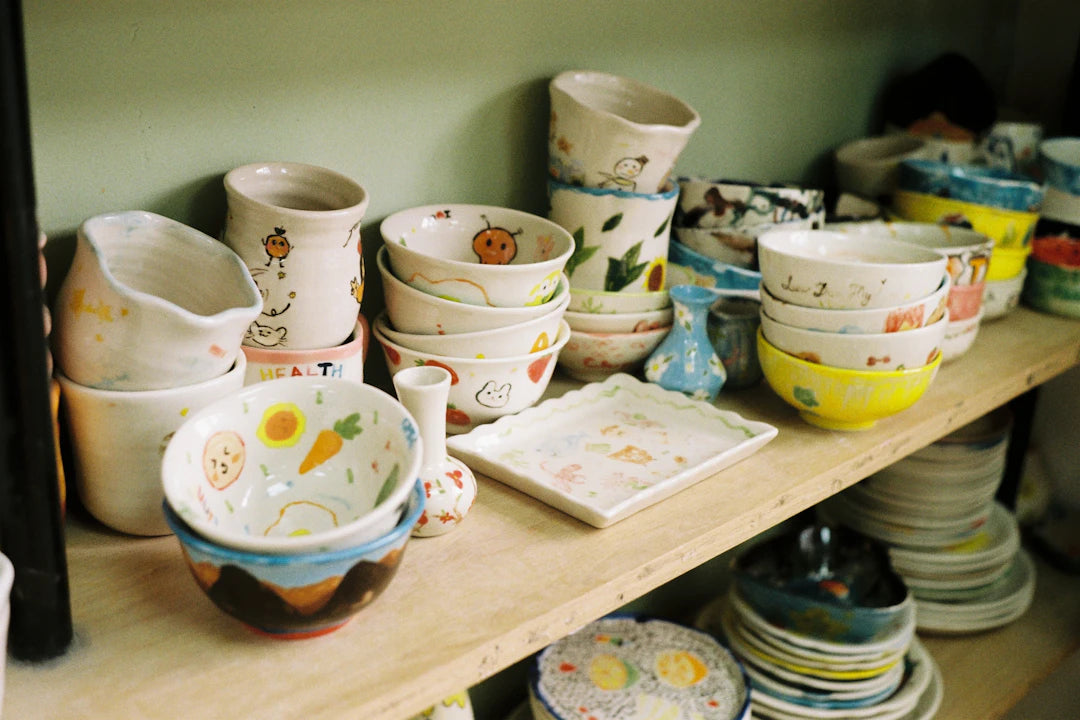
Ceramic pet bowls are popular among pet owners for their benefits, which include:
- Durability: Made from hard materials, they are less likely to crack or break compared to plastic bowls.
- Non-toxic: High-quality ceramic pet bowls are free from harmful chemicals that can leach into your pet's food.
- Easy to clean: Most ceramic bowls are dishwasher-safe, providing convenience for pet owners.
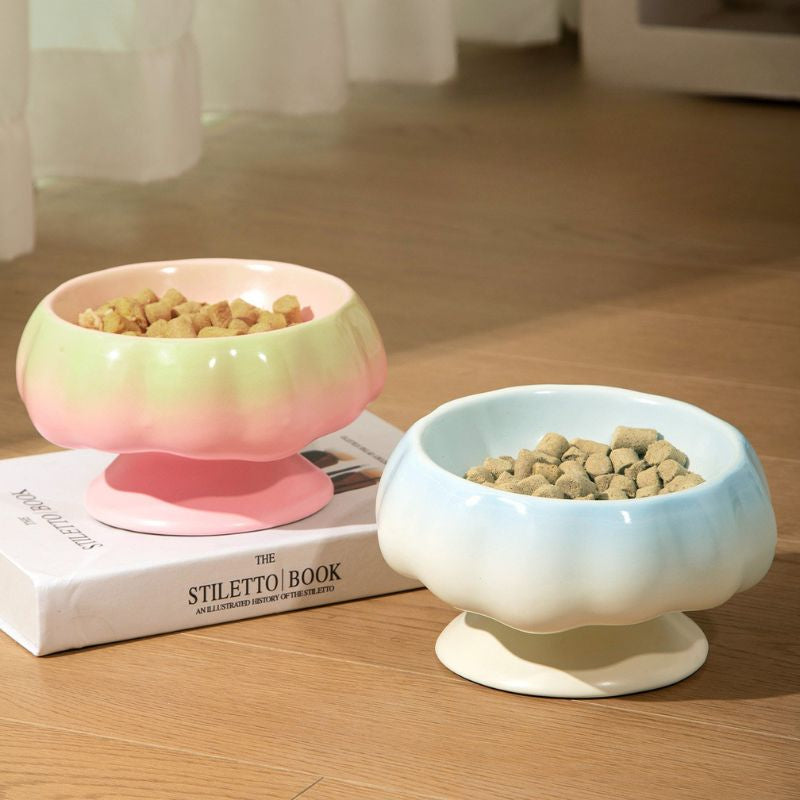
- Stable: Elevated ceramic cat bowls provide a sturdy feeding environment that reduces spills.
While these benefits are significant, it’s important to be aware of potential safety concerns associated with ceramic pet bowls. Below, we explore critical safety considerations.
Safety Considerations for Ceramic Pet Bowls
1. Examine for Cracks and Chips
Before each use, inspect your ceramic pet bowl for cracks or chips. These imperfections can harbor harmful bacteria, leading to infections or illness in your pets. Always ensure that your elevated ceramic cat bowl or dog bowl is in perfect condition to safeguard your pet’s health.
2. Choose Non-Toxic Glazes
It’s essential to select ceramic bowls that are glazed with non-toxic materials. Many ceramic products may contain lead or cadmium in their glazes, which can leach into food or water. Always verify that the manufacturer explicitly states that their ceramic products are lead-free and safe for food use.
| Material | Safety Rating | Common Issues |
|---|---|---|
| Ceramic | High (if lead-free) | Chipping, glazing issues |
| Plastic | Medium | Scratches, chemical leaching |
| Stainless Steel | High | Scratch-resistant |
3. Maintain Proper Hygiene
Keeping ceramic pet bowls clean is vital in reducing the risk of bacteria and mold. Wash the bowls regularly with warm soapy water, rinsing thoroughly. For deeper cleaning, consider using a mixture of vinegar and water. Ensure that the bowls are completely dried before refilling them with food or water to prevent bacterial growth.
4. Monitor Your Pets
Always observe your pet while they're eating from their ceramics bowls. Ensure that they are not chewing on the bowls themselves, which can lead to injuries or ingesting fragments harmful to their health. Elevated bowls should also be stable enough to avoid tipping while your pet feeds.
5. Consider the Size and Weight
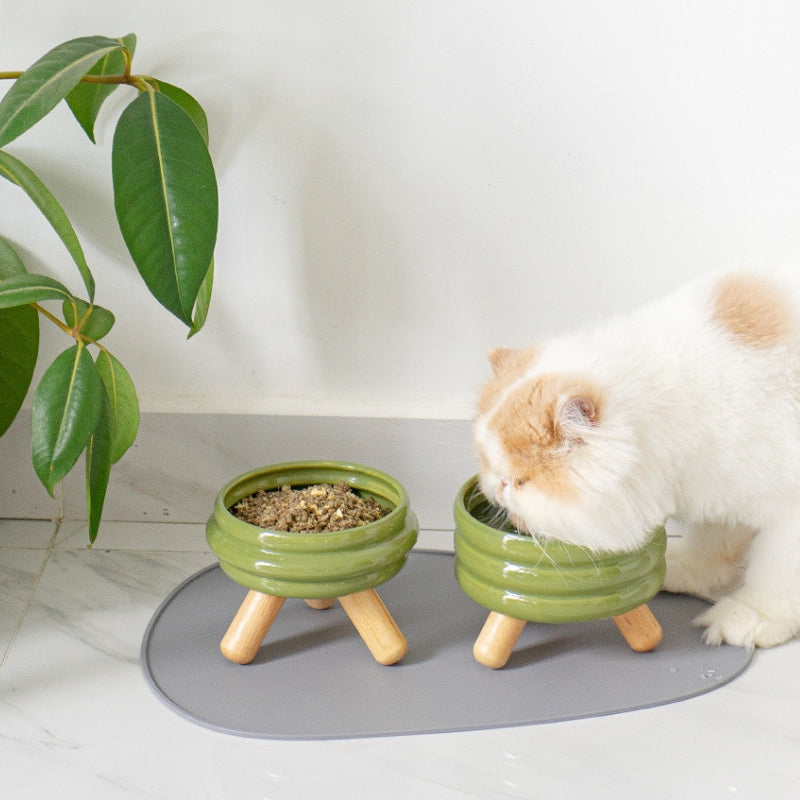
When selecting an elevated ceramic cat bowl or dog bowl, consider the size and weight of the bowl. A heavier bowl is less likely to tip over and cause spills, while a properly sized bowl ensures that your pet can eat without straining their neck. This is exceptionally crucial for larger breeds of dogs and for elder cats that may have difficulties bending down.
Choosing the Right Elevated Ceramic Cat Bowl
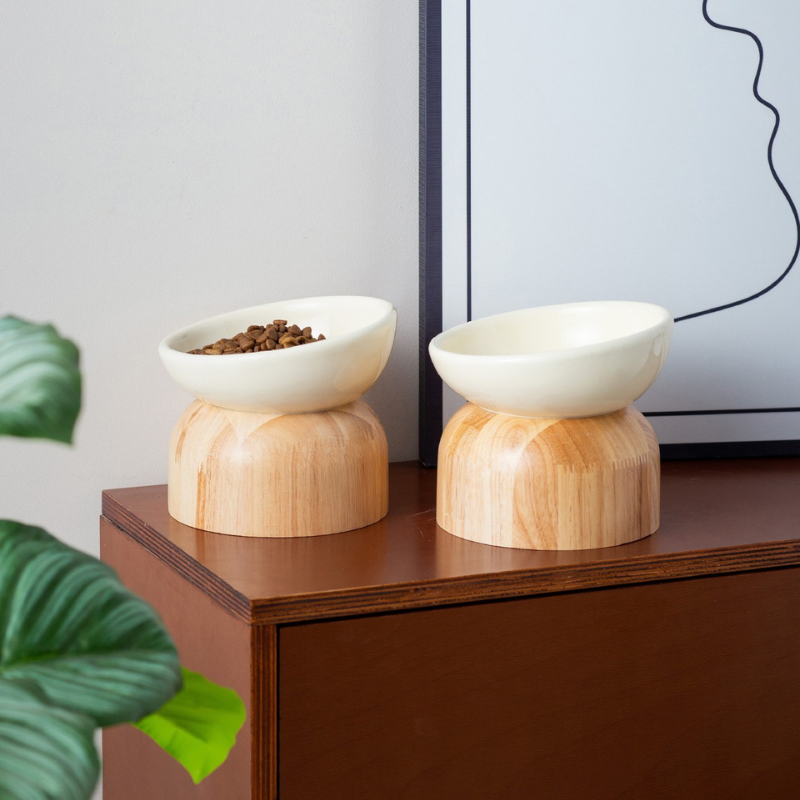
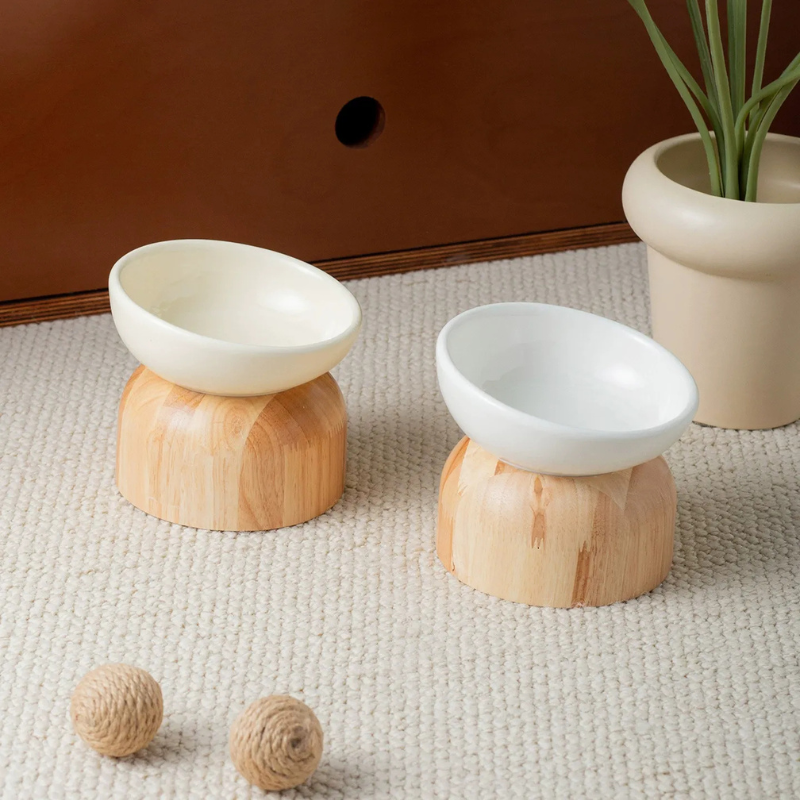
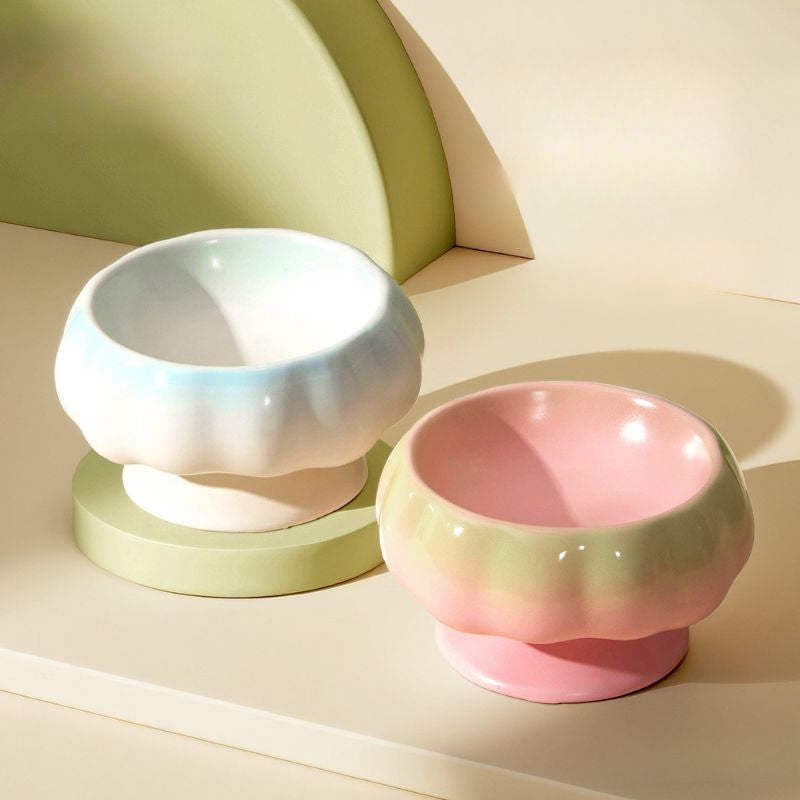
Elevated ceramic bowls offer various benefits for your feline friends. Here's how to choose the right one:
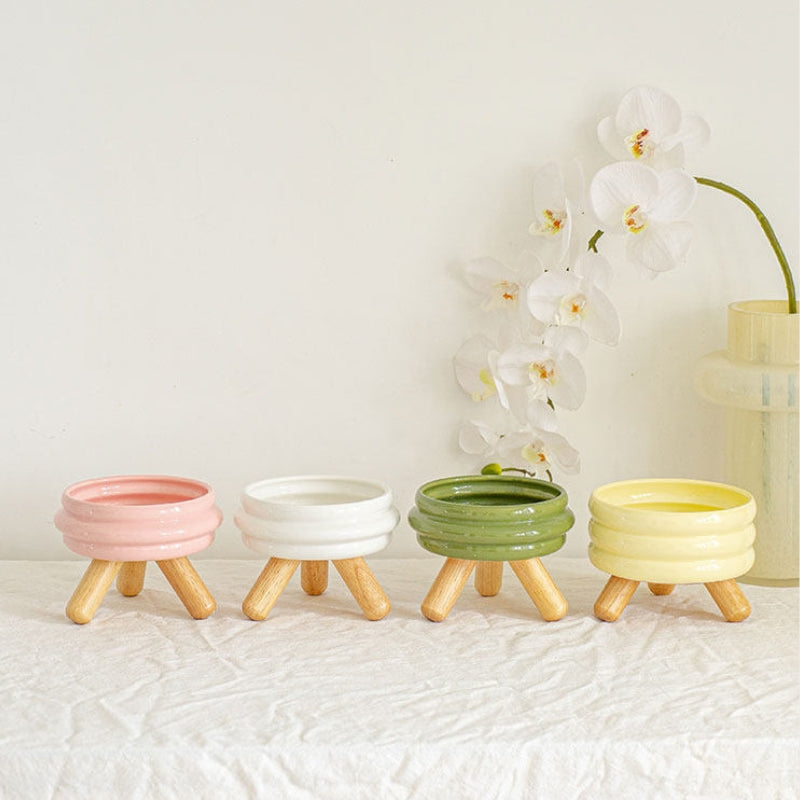
- Height: Choose a height that aligns with your cat's stature to prevent neck strain.
- Design: Look for bowls with wide bases to prevent tipping.
- Material Quality: Ensure the ceramic is high-quality and meets safety standards.
Why Elevated Bowls?
Elevated ceramic dog bowls and cat bowls have unique advantages. They provide greater comfort for your pets by allowing them to eat without bending down excessively. This can help reduce strain on their neck, which is particularly beneficial for senior pets or those with specific health issues. Additionally, elevated bowls can help keep food and water cleaner by reducing exposure to dust and dirt.
Frequently Asked Questions
Are ceramic bowls better than plastic?
Yes! Ceramic bowls are typically more durable and less prone to harboring bacteria compared to plastic bowls. They are easier to clean and are made of non-toxic material, making them a safer choice for your pets.
How do I know if a ceramic bowl is safe?
Look for bowls labeled as lead-free and made specifically for food use. Always check for any cracks or damage before use, as these can compromise safety.
Can ceramic bowls be microwaved?
Not all ceramic bowls are microwave-safe. Always refer to the manufacturer's guidelines to ensure you’re using the bowl correctly.
Incorporating Safety into Everyday Use
Pet safety goes beyond just choosing the right bowl. It requires a combination of proactive measures and routine checks. Here are some additional tips:
- Play with your pets to ensure they don’t associate mealtime with stress.
- Introduce new bowls gradually, allowing your pets to acclimate to the change.
- Empower yourself with knowledge about your pet’s dietary needs.
- Routine vet check-ups can help identify potential health concerns early.
Transform Mealtime into a Safe and Enjoyable Experience
By following these important safety considerations, you can ensure that your ceramic pet bowls contribute positively to your pet’s health and well-being. Elevating your ceramic cat bowl provides your feline friends with comfort, while properly selected dog bowls offer a safe space for your dogs to enjoy their meals. It's not just about their dining experience – it's about active participation in their health and happiness.
As an attentive pet owner, you play a significant role in your pet's life. Incorporating these safety tips into your routine can encourage a happy, healthy mealtime for your beloved companions. So go ahead, choose those beautiful ceramic bowls, and feel secure knowing you've taken the necessary steps to ensure their safety and comfort!
Glossary
| Term | Meaning |
|---|---|
| Ceramic Pet Bowls | Durable bowls made from hard materials, ideal for pets. |
| Elevated Bowls | Bowls raised off the ground to reduce strain during feeding. |
| Non-toxic | Free from harmful chemicals that can affect pet health. |
| Hygiene | Practices to keep bowls clean and prevent bacteria growth. |
| Lead-free | Ceramics that do not contain lead, ensuring safety for food use. |
| Stability | Characteristic of bowls that prevents tipping during use. |
| Cracks and Chips | Imperfections that can harbor bacteria and pose health risks. |
| Material Safety Rating | Assessment of the safety level of materials used in bowls. |
| Routine Checks | Regular inspections to ensure bowls are safe and undamaged. |
| Mealtime Safety | Practices to ensure a safe and enjoyable eating experience for pets. |
Linked Product
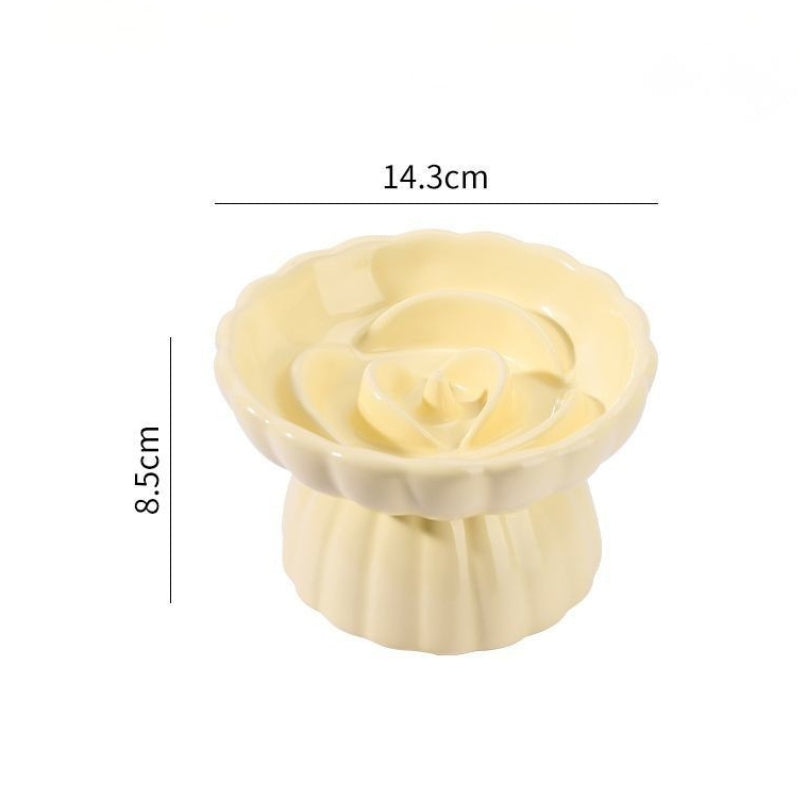
Elevated Ceramic Slow Feeder Cat Bowl – Anti-Choking, Anti-Acne, Anti-Tip Feeding Bowl
The Elevated Ceramic Slow Feeder Cat Bowl is designed to support healthier eating habits by slowing down your pet's feeding pace, which can help reduce the risk of choking and discomfort. Its elevated height promotes a more comfortable posture for cats during mealtime. Additionally, the smooth ceramic surface is easy to clean and suitable for both dry and wet food, making it a practical choice for daily feeding.
View ProductElevated Ceramic Pet Bowls for Comfortable Feeding
Transform Your Training with Slow Feeding Techniques
Related Posts
Crafting Your Own DIY Slow Feeders for Happy Pets
Ceramic Slow Feeders to Promote Healthy Eating Habits
The Impact of Texture and Design in Slow Feeding Bowls
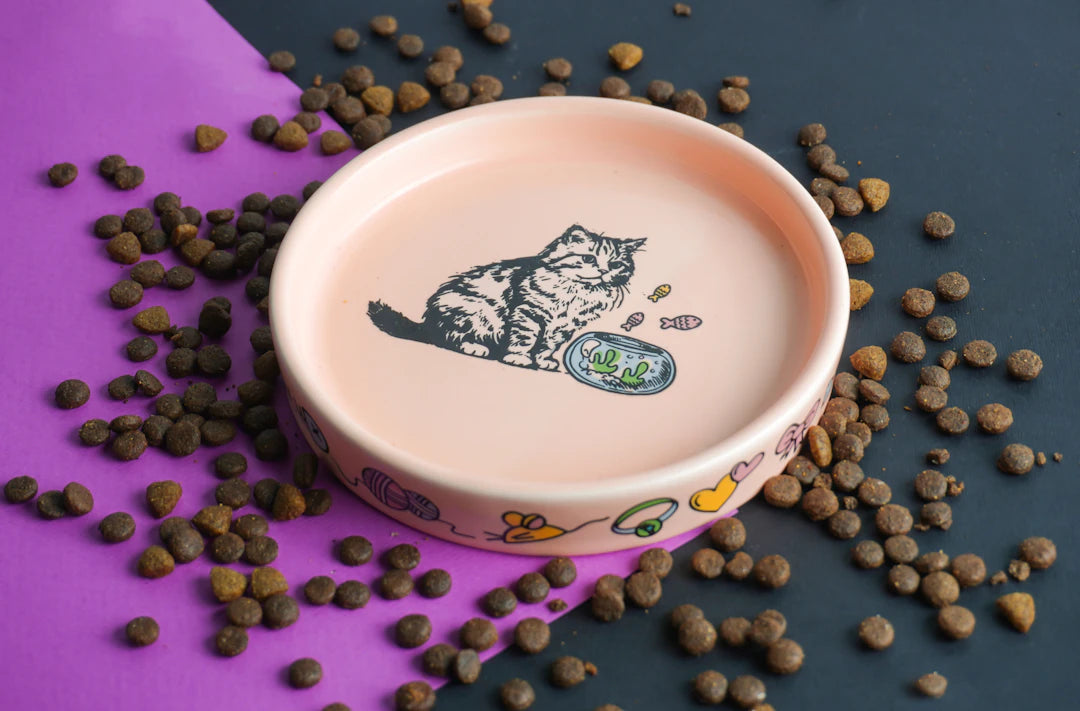
Ceramic Pet Bowls for Small Dogs: Practical Feeding Solutions
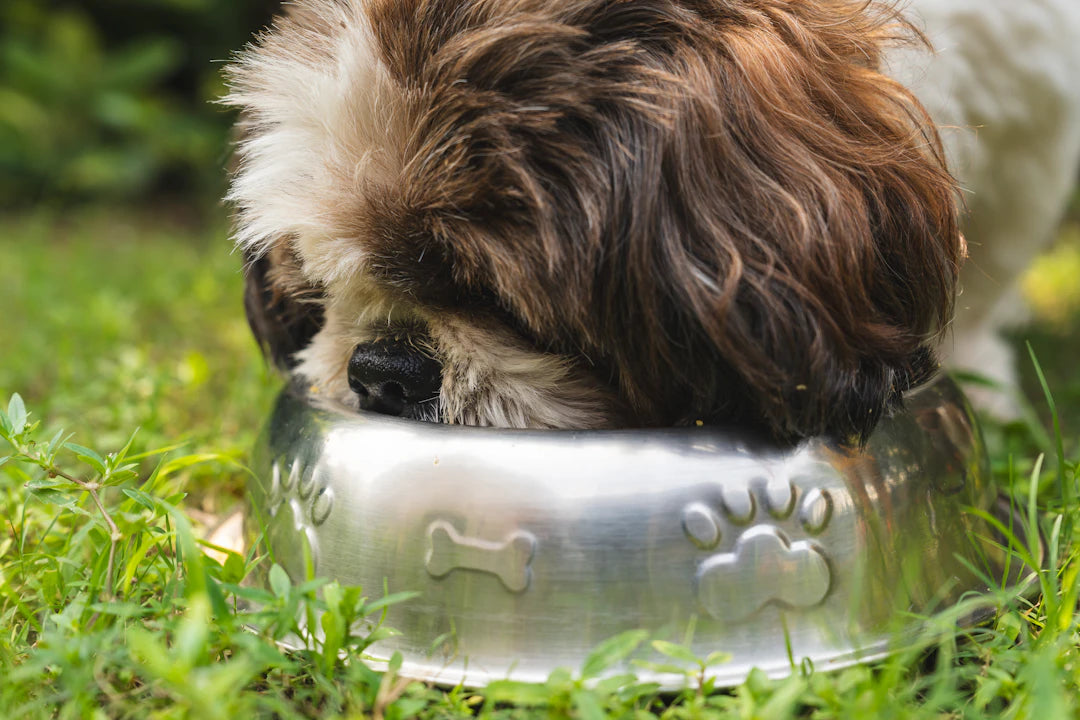
Spotting Overeating in Pets and Solutions to Combat It
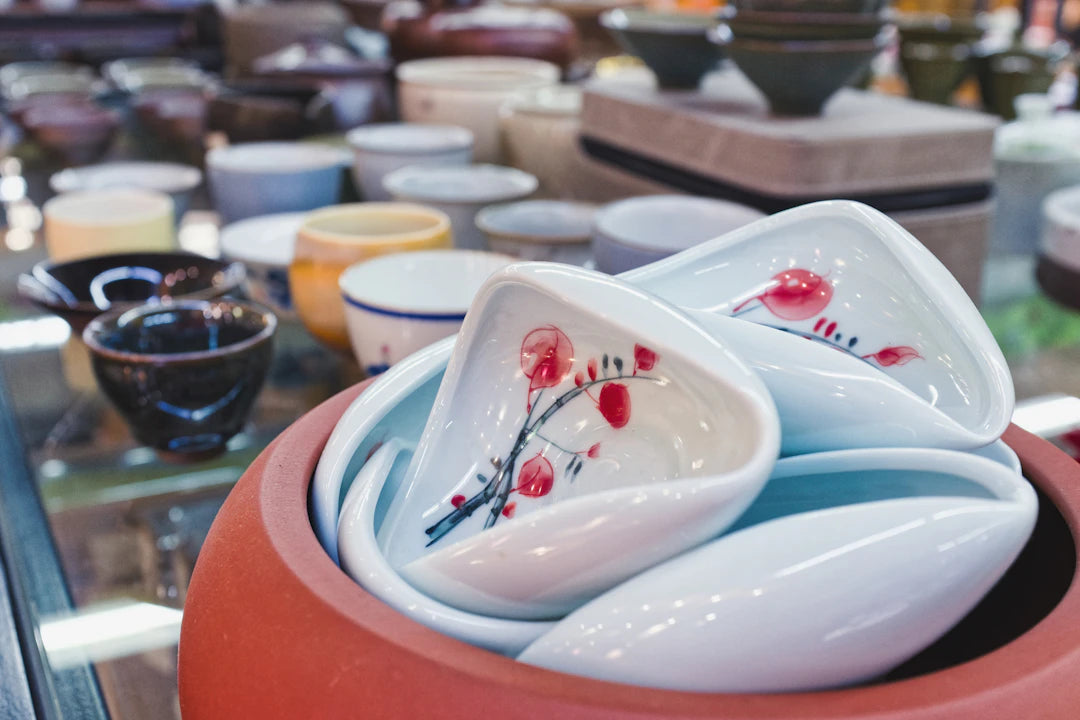
Elevated Ceramic Pet Bowls for Mindful Feeding
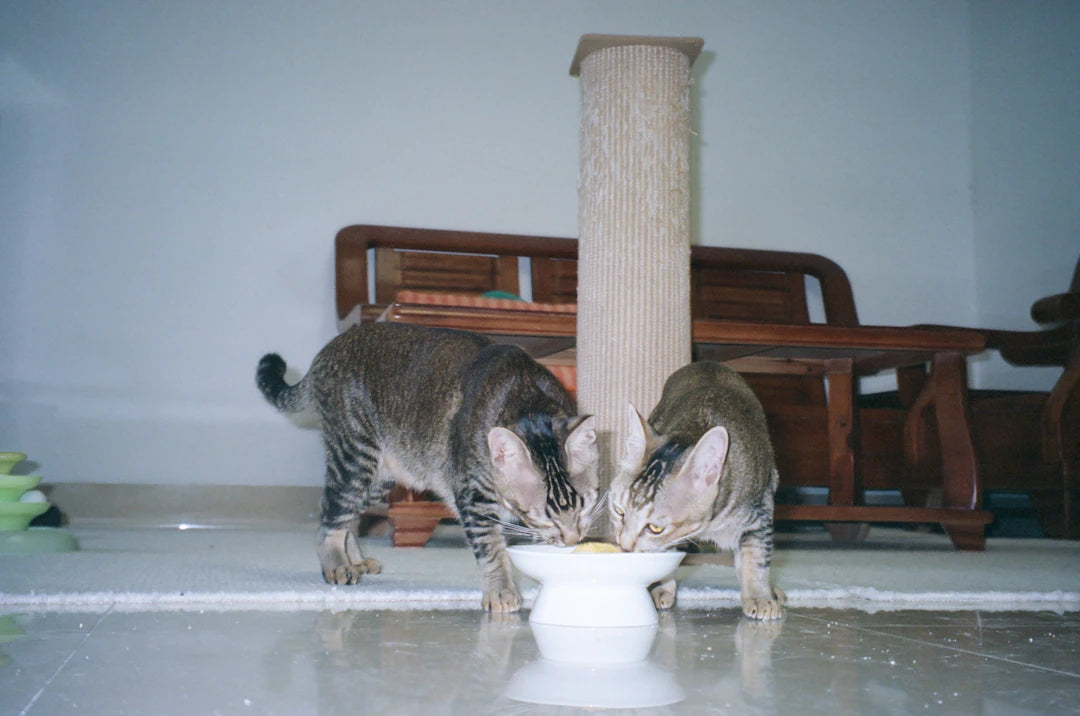
Creative Ways to Encourage Slow Eating in Pets