Why Slow Feeding Matters for Your Pet's Health
Overview
Slow feeding is crucial for pet health, helping to prevent issues like obesity, bloating, and anxiety. Using tools like ceramic slow feeder bowls and interactive toys promotes better digestion and a calmer mealtime experience. Transition gradually and incorporate fun activities to make feeding enjoyable for your dog.
Table of Contents
- Understanding Slow Feeding
- Common Problems with Fast Eating
- Benefits of Slow Feeding
- Improved Digestion
- Weight Management
- Reduce Anxiety
- Engaging Play with Slow Feeders
- Choosing the Right Slow Feeder
- How to Get Started with Slow Feeding
- Engaging in Fun Activities while Slow Feeding
- Final Thoughts on Slow Feeding
Key Takeaways
- Slow feeding promotes better digestion by allowing pets to chew their food thoroughly, which enhances nutrient absorption.
- Using a ceramic slow feeder dog bowl helps regulate food intake, reducing the risk of obesity in pets.
- Fast eating can lead to serious health issues such as bloating, digestive problems, and behavioral issues like food aggression.
- Incorporating interactive dog toys during mealtime can make slow feeding more engaging and stimulating for pets.
- Choosing the right slow feeder involves considering factors like material, design, durability, and ease of cleaning.
- Gradual transition to slow feeding is recommended to help pets adjust to new eating habits without stress.
- Positive reinforcement during mealtime can encourage pets to adopt slower eating behaviors and create a more relaxed feeding environment.
Frequently Asked Questions
1. What is slow feeding for pets?
2. What are the common problems associated with fast eating in dogs?
3. What are the benefits of slow feeding for dogs?
4. How can I choose the right slow feeder for my dog?
5. What are some tips for getting started with slow feeding?
As pet owners, we all want the best for our furry companions. From their nutrition to their playing habits, every aspect contributes to their overall health and well-being. One of the most overlooked factors in pet care is the speed at which they eat. In this piece, we explore the importance of slow feeding for pets, the benefits it can offer, and provide practical solutions to incorporate into your pet's routine, including the use of a ceramic slow feeder dog bowl and interactive dog toys.
Understanding Slow Feeding
Slow feeding involves using specially designed dog bowls, like a ceramic slow feeder dog bowl, or techniques that encourage pets to eat at a slower pace. This approach helps to avoid some common issues arising from fast eating, which can have lasting effects on pet health.
Common Problems with Fast Eating
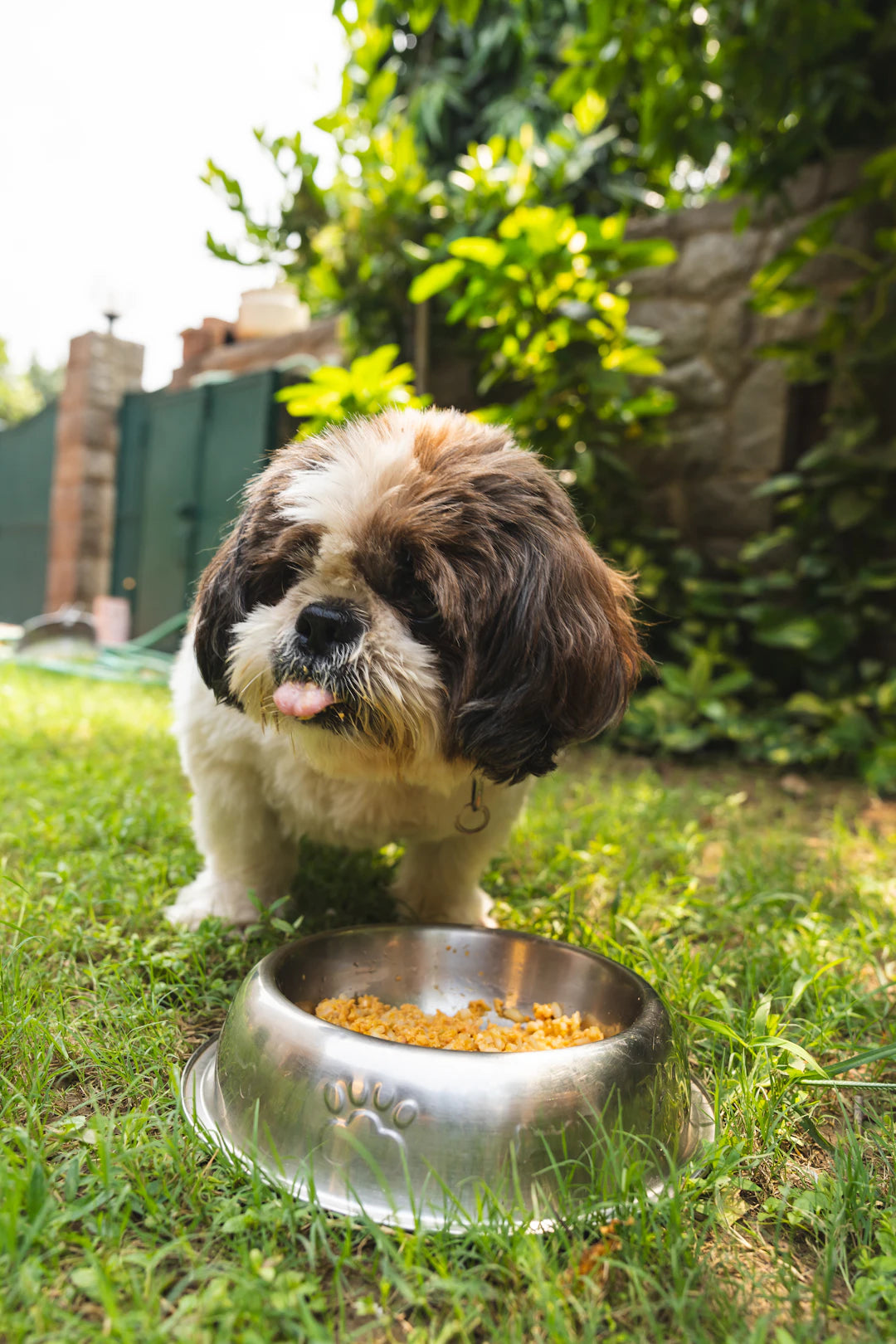
Dogs often demonstrate a natural instinct to eat quickly, and this behavior can stem from competition during mealtime. However, rapid consumption of food can lead to various health concerns that pet owners should be aware of:
- Obesity: Eating too fast can make a dog prone to overeating, leading to weight gain.
- Bloating: The ingestion of large amounts of air along with food can cause gastric dilatation-volvulus (GDV), a serious and potentially fatal condition.
- Digestive Issues: Fast eaters often suffer from indigestion and other gastrointestinal problems.
- Behavioral Problems: Rapid eating can foster anxiety and food aggression, affecting the dog’s behavior during meal times.
Benefits of Slow Feeding
Switching to slower feeding practices can have marvelous outcomes for your pet’s health. Here are some of the notable benefits:
Improved Digestion
By using a ceramic slow feeder dog bowl, your dog is encouraged to eat slowly. This leads to better digestion and nutrient absorption, decreasing the risk of gastrointestinal issues. When dogs take their time to chew, they also stimulate saliva production, which is crucial for breaking down food effectively.
Weight Management
Slower eating naturally helps regulate a dog's food intake. Dogs that eat slowly are less likely to overeat, making it easier for you to manage their weight. For pets prone to obesity, slow feeding is a vital strategy to encourage healthier habits.
Reduce Anxiety
Eating too quickly can lead to anxiety around mealtime. A slow feeder bowl can help create a sense of calm, allowing your pet to relax during meals. This intentional pacing prevents negative associations with feeding time, fostering a more positive mealtime experience.
Engaging Play with Slow Feeders
Incorporating slow feeding in a fun manner can be an additional benefit. Using interactive dog toys designed for slow feeding can make mealtime a more stimulating experience. Not only does this keep your dog entertained, but it also turns the feeding process into an engaging activity.
Choosing the Right Slow Feeder
When choosing a slow feeder, consider the following factors:
| Feature | Description |
|---|---|
| Material | A high-quality, non-toxic material like ceramic or stainless steel is ideal, as it ensures safety while being easy to clean. |
| Design | The design should have obstacles or compartments that naturally slow down eating. Look for sizes that accommodate your pet’s breed. |
| Durability | Choose a durable option that can withstand your dog’s enthusiasm for eating and play. |
| Ease of Cleaning | Opt for a slow feeder that is dishwasher safe or easy to hand wash to maintain hygiene. |
How to Get Started with Slow Feeding
Transitioning to slow feeding may take some time, but the effort is undoubtedly worthwhile. Here’s a step-by-step guide to help you implement slow feeding in your pet’s diet:
- Choose a Slow Feeder: Start by selecting a high-quality ceramic slow feeder dog bowl that suits your pet’s size and breed.
- Introduce Gradually: If your dog is used to eating quickly, gradually introduce the slow feeder by mixing it with their regular bowl.
- Monitor Their Eating Habits: Observe how your dog adjusts to the new feeding practice. Encourage chewing and pacing.
- Incorporate Interactive Toys: Introduce dog toys that can dispense food slowly, making mealtime more of a game.
- Reinforce Positivity: Make mealtime fun and rewarding. Praise your dog when they eat slowly to reinforce positive behavior.
Engaging in Fun Activities while Slow Feeding
Combining slow feeding with playtime can greatly enhance your dog's experience! Here are some creative ways to engage your dog while helping them slow down:
- Hide and Seek: Hide pieces of food around your home or yard, and let your dog find them, encouraging slow eating through exploration.
- Interactive Toys: Use dog toys that incorporate meals or treats, providing mental stimulation while they eat at a slower rate.
- Obstacle Courses: Set up a small course in your yard or home where they have to navigate around obstacles to reach their food.
- Positive Reinforcement: Reward them with treats or affection for engaging positively during mealtime.
Final Thoughts on Slow Feeding
Incorporating slow feeding into your pet's routine is an easy yet impactful way to enhance their overall health and well-being. Not only does it promote better digestion and weight management, but it fosters a more relaxed feeding environment that can alleviate anxiety. By using tools like a ceramic slow feeder dog bowl along with interactive dog toys, you can transform mealtime into an educational and fun activity for your pet. Take the first step today towards better health for your furry friend, and watch them thrive!
Glossary
| Term | Meaning |
|---|---|
| Slow Feeding | A method of encouraging pets to eat at a slower pace to improve health. |
| Ceramic Slow Feeder | A specially designed dog bowl that promotes slow eating. |
| Obesity | Excessive body weight that can lead to health issues. |
| Bloating | Swelling of the stomach due to gas or air intake, can be dangerous. |
| Digestive Issues | Problems related to the gastrointestinal system, often caused by fast eating. |
| Interactive Dog Toys | Play items that engage dogs and can help slow down their eating. |
| Weight Management | Strategies to maintain a healthy weight in pets. |
| Positive Reinforcement | A training method that rewards desired behaviors to encourage them. |
| Engaging Play | Activities that stimulate a pet mentally and physically. |
| Mealtime Anxiety | Stress or fear associated with eating, often due to fast eating habits. |
Linked Product
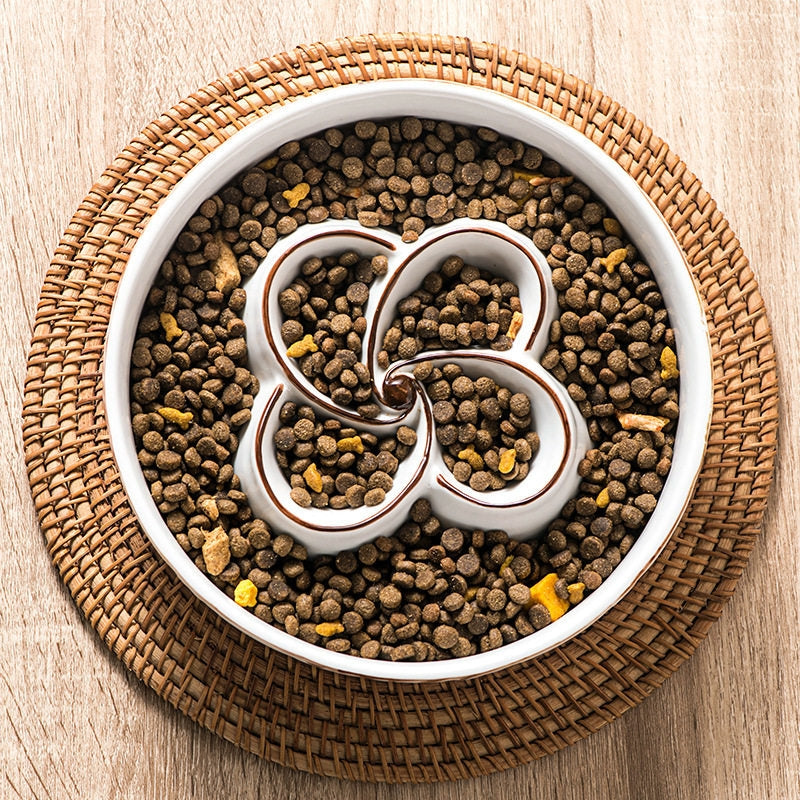
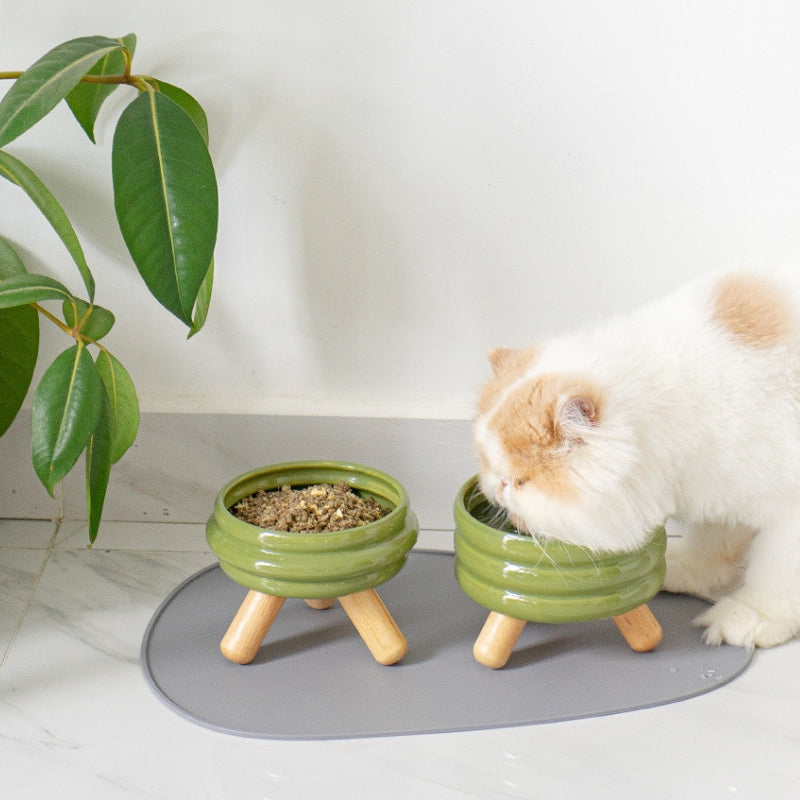
Ceramic Slow Feeder Dog Bowl – Anti-Choking Feeding Bowl for Medium & Large Dogs
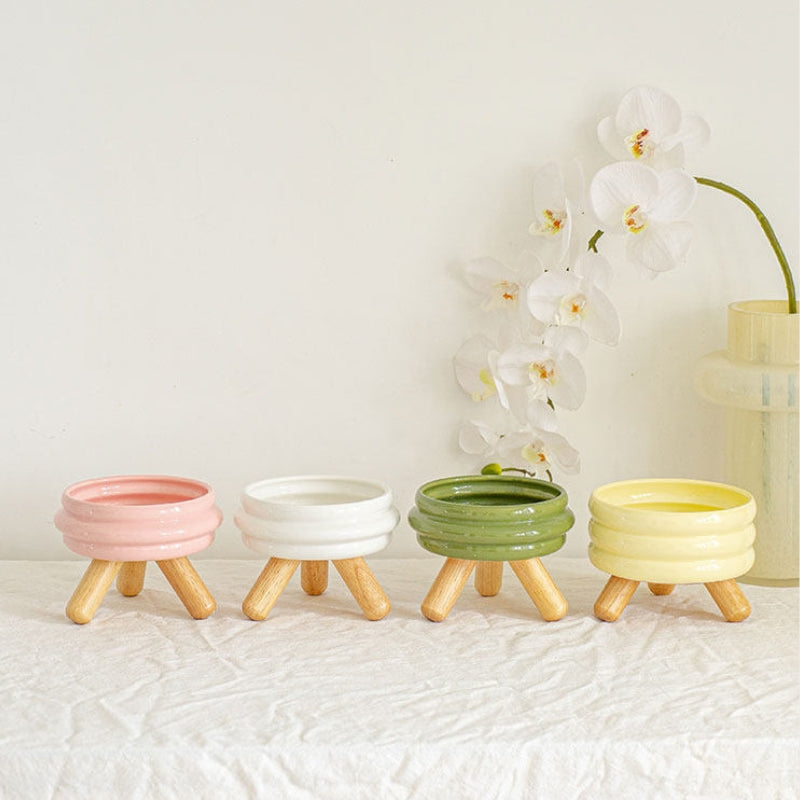
The Ceramic Slow Feeder Dog Bowl is designed to promote healthier eating habits for medium and large dogs by slowing down their feeding speed, which can help reduce the risk of choking. Made from durable ceramic, this bowl is suitable for both dry and wet food, making it a versatile option for daily meals. Its raised pattern effectively encourages slower consumption, benefiting dogs that tend to eat too quickly.
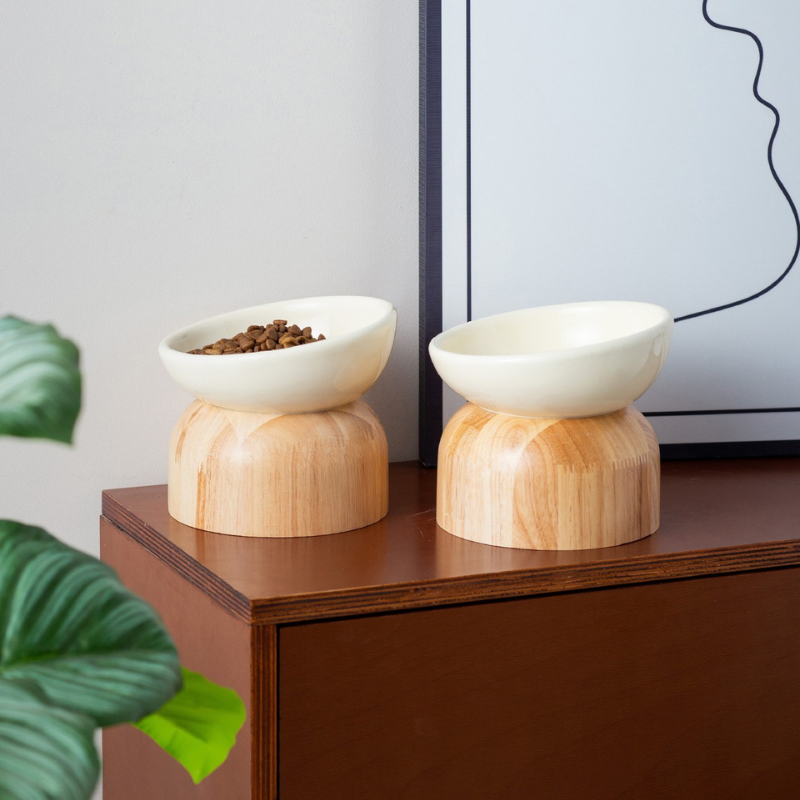
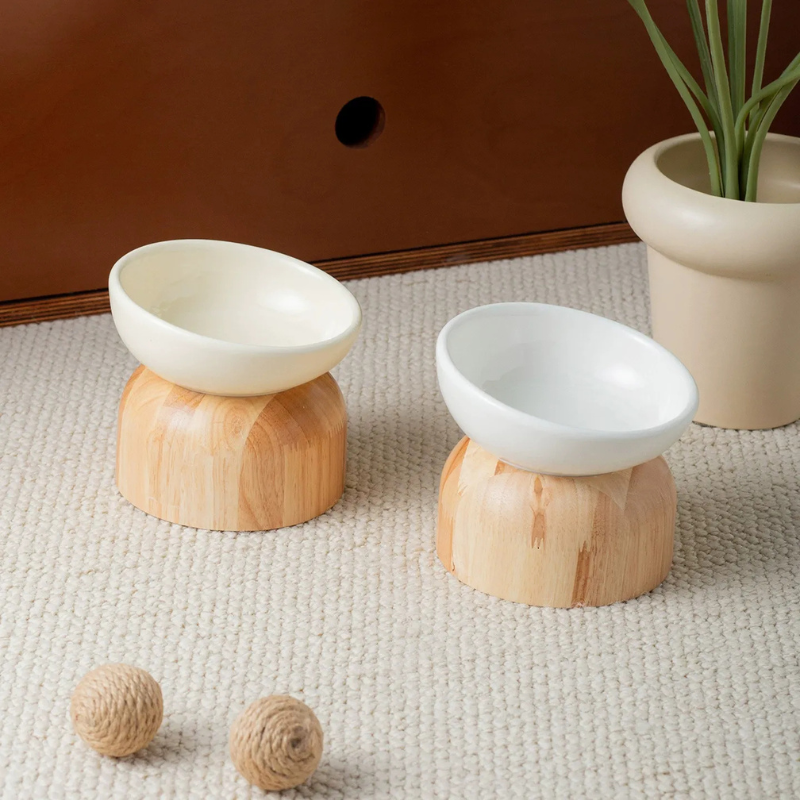
View ProductComfortable Elevated Ceramic Bowls for Small Pets
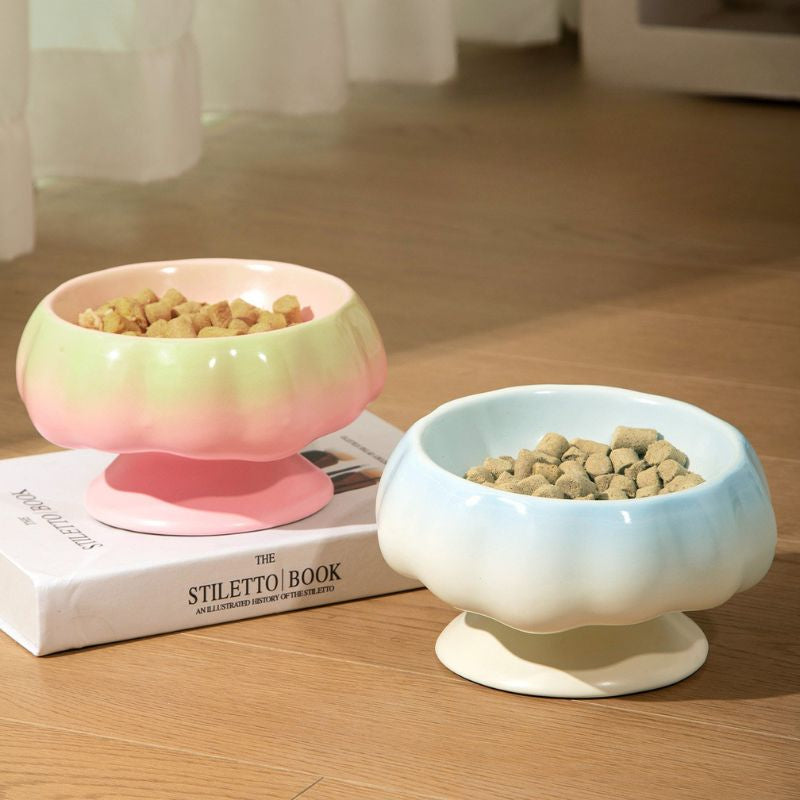
Stylish Ceramic Slow Feeders for Cats and Small Dogs
Related Posts
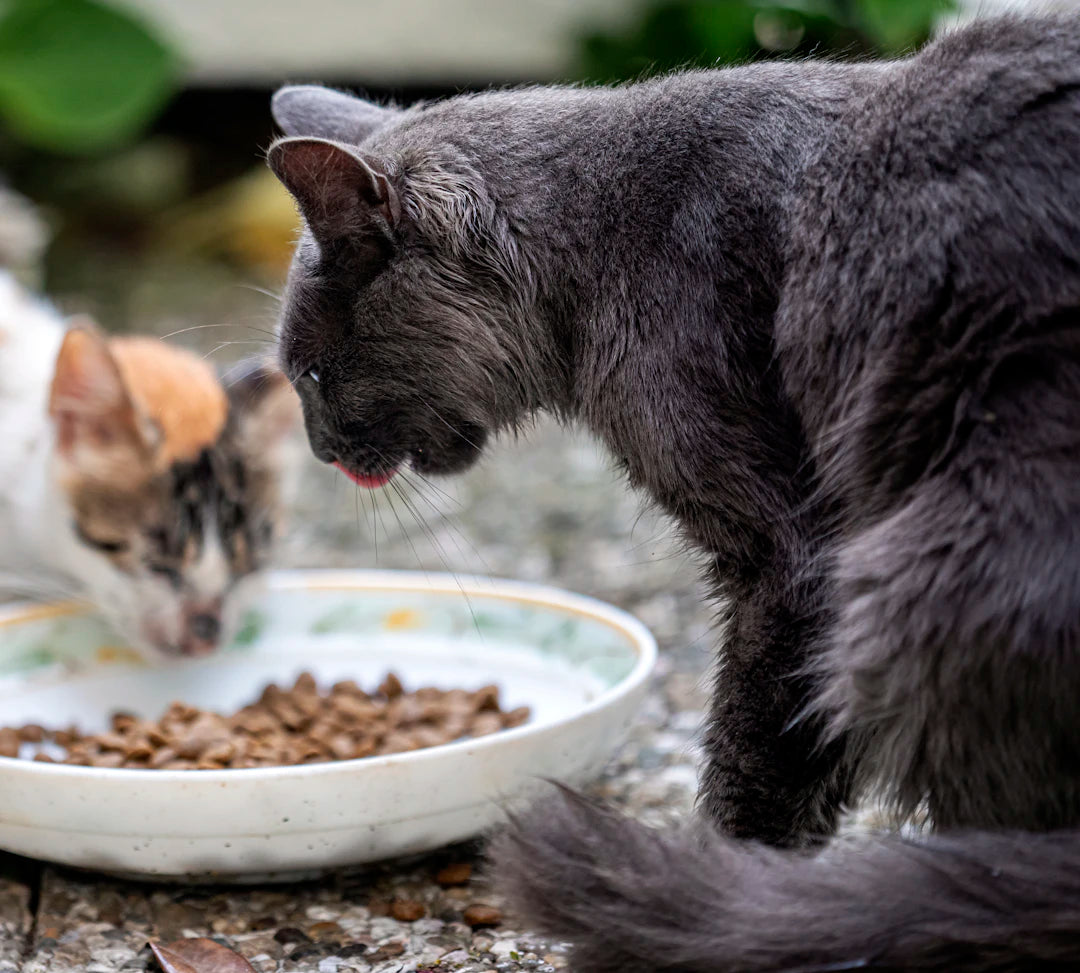
Crafting Your Own DIY Slow Feeders for Happy Pets

Ceramic Slow Feeders to Promote Healthy Eating Habits
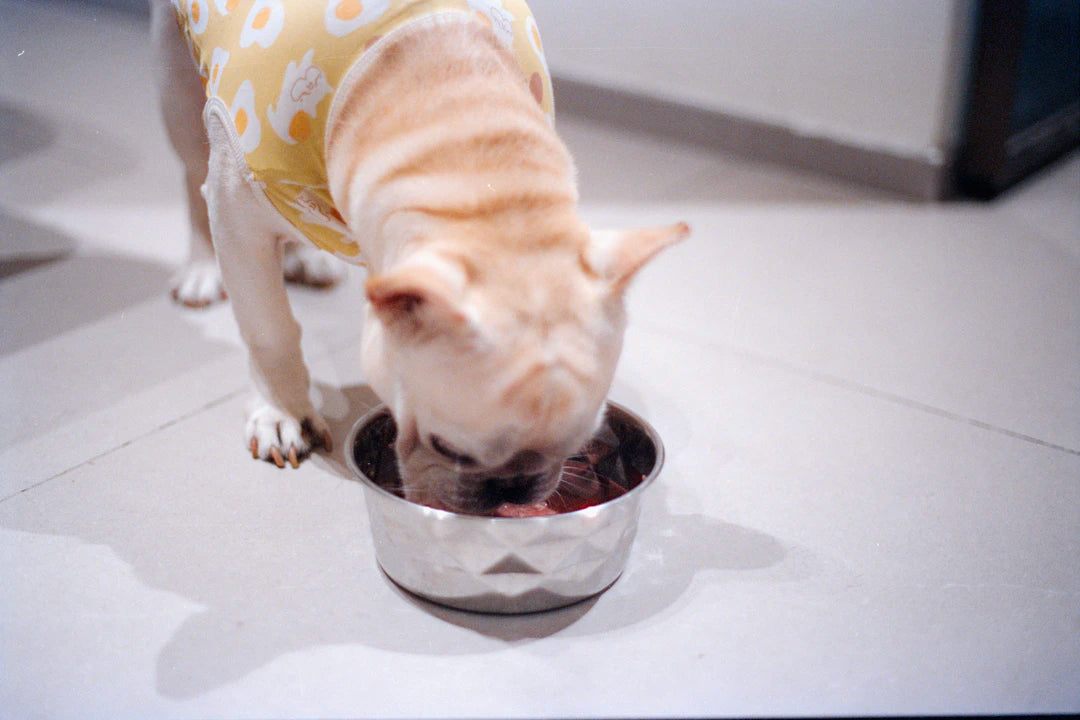
The Impact of Texture and Design in Slow Feeding Bowls
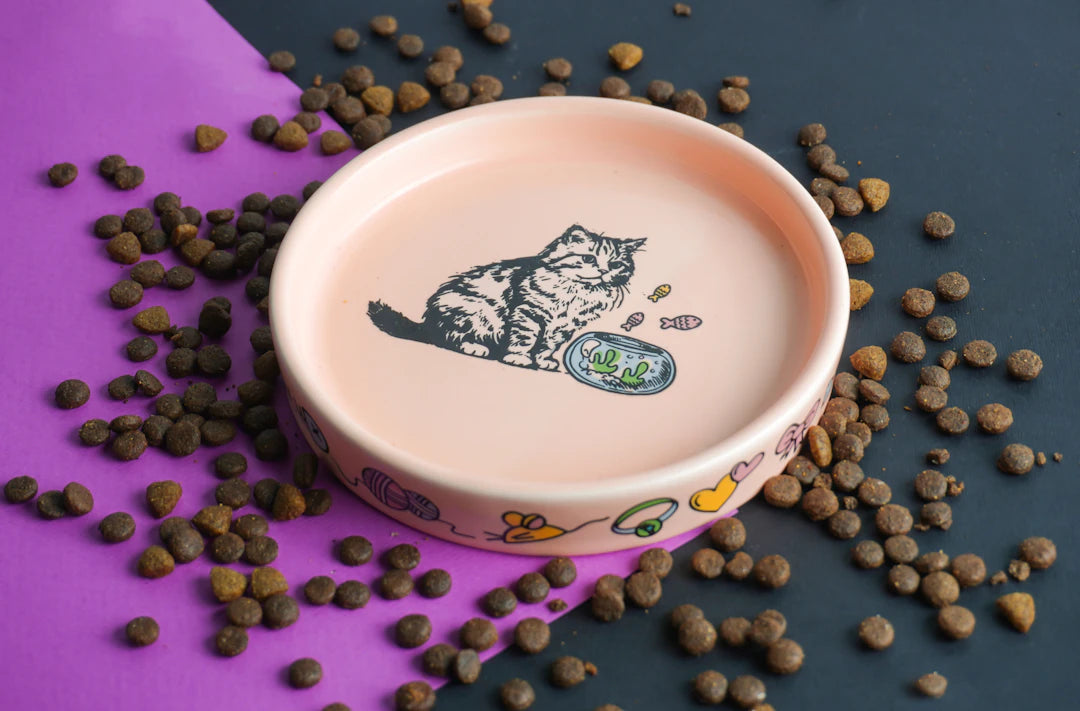
Ceramic Pet Bowls for Small Dogs: Practical Feeding Solutions
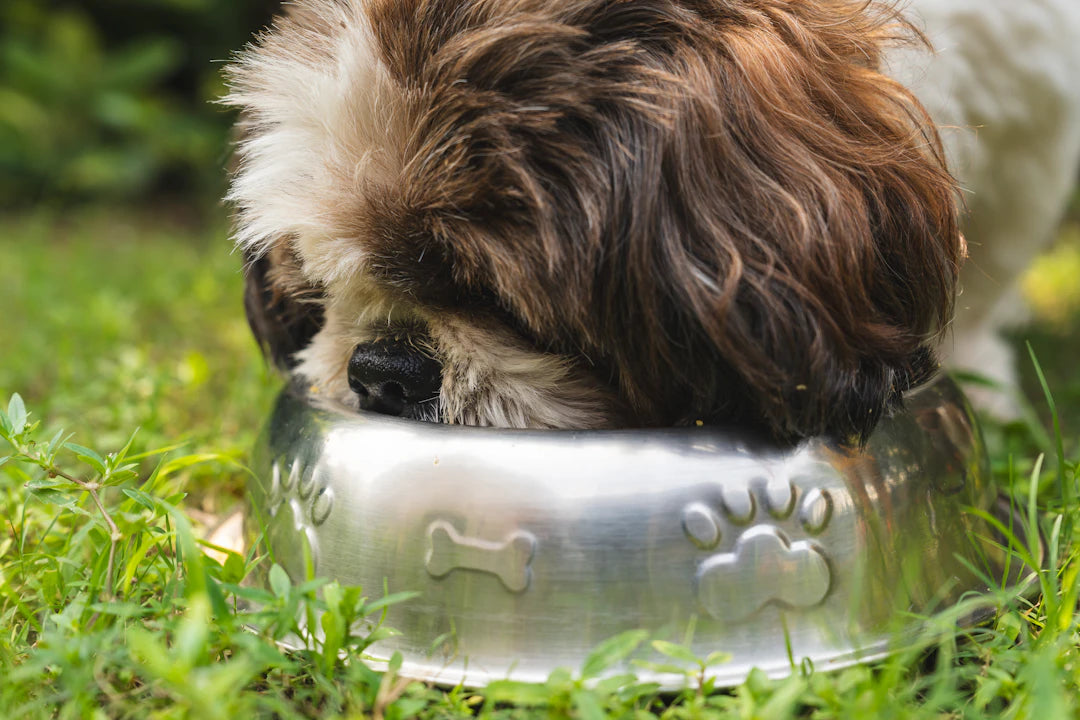
Spotting Overeating in Pets and Solutions to Combat It
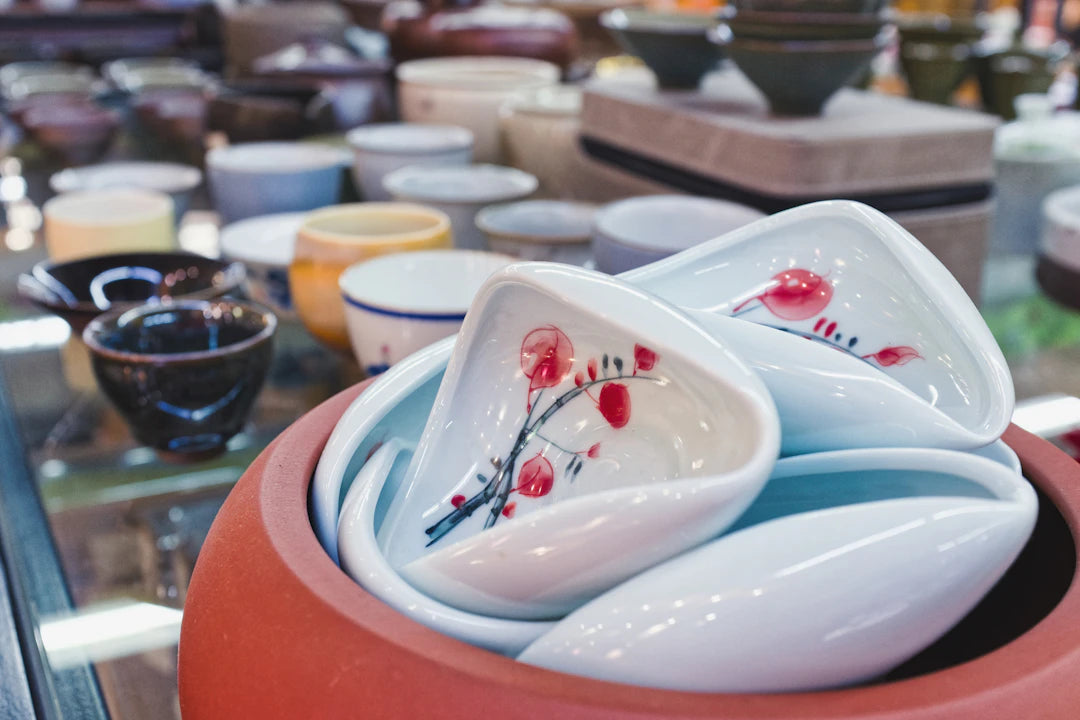
Elevated Ceramic Pet Bowls for Mindful Feeding
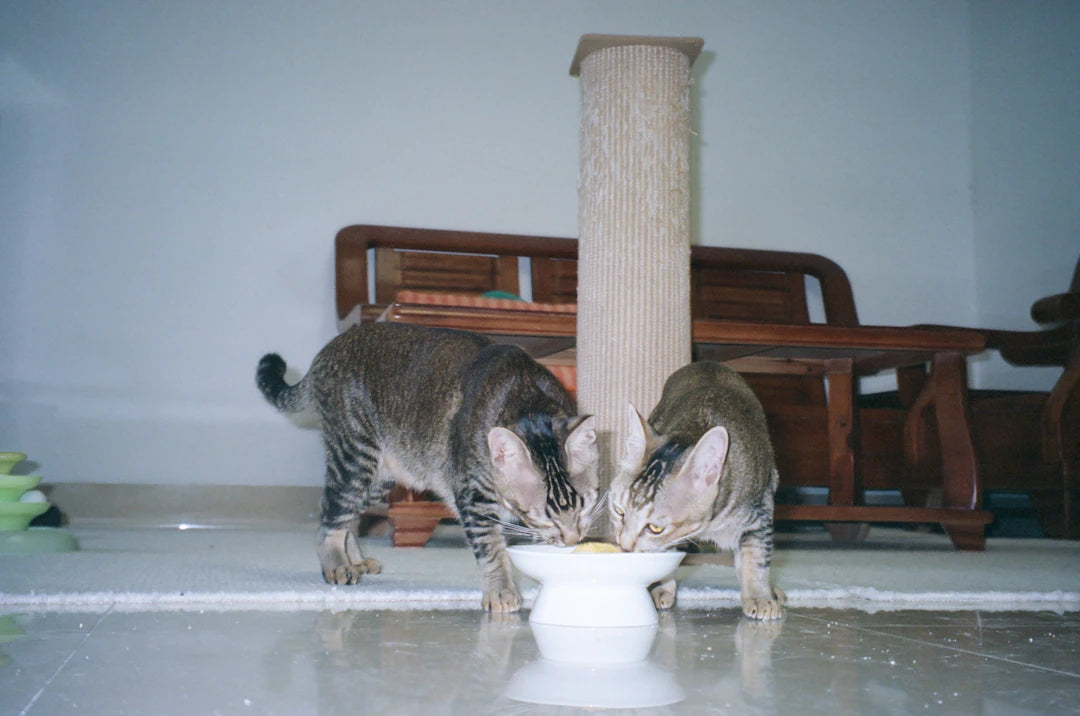
Creative Ways to Encourage Slow Eating in Pets