The Eco-Friendly Choice: Ceramic vs. Plastic Bowls
Overview
Ceramic bowls are a more sustainable choice for pet owners compared to plastic bowls, offering benefits like biodegradability, durability, and safety from harmful chemicals. While plastic bowls are lightweight and affordable, they contribute to pollution and health concerns. Making informed choices can promote a healthier ecosystem for pets and the planet.
Table of Contents
Key Takeaways
- Ceramic bowls are made from natural clay, making them biodegradable and environmentally friendly.
- Plastic bowls are non-biodegradable and contribute to global plastic pollution.
- Ceramic bowls have a longer lifespan, reducing the need for frequent replacements.
- Plastic bowls may contain harmful chemicals like BPA, posing health risks to pets.
- Ceramic bowls can be recycled or repurposed, while plastic options have limited recyclability.
- Investing in ceramic bowls can save money over time due to their durability.
- Choosing eco-friendly options reflects a commitment to sustainability and a healthier planet.
Frequently Asked Questions
1. What are the main materials used in pet bowls?
2. What are the environmental benefits of using ceramic bowls for pets?
3. What are the drawbacks of using plastic bowls for pets?
4. How can pet owners make an informed choice between ceramic and plastic bowls?
5. Why is choosing the right feeding bowl important for the environment?
In today’s world, pet owners are more than ever conscious of their environmental impact. One significant aspect of this mindfulness lies in the choices we make for our beloved pets, particularly regarding their feeding and hydration products. When it comes to selecting the right bowl, many pet owners find themselves debating the merits of ceramic versus plastic options. This article dives deep into the environmental impact of both materials, helping you make an informed decision that benefits not just your furry friend but the planet as well.
Understanding the Materials
Before exploring the environmental pros and cons of ceramic and plastic bowls, it’s crucial to understand what these materials are made of.
Ceramic Bowls
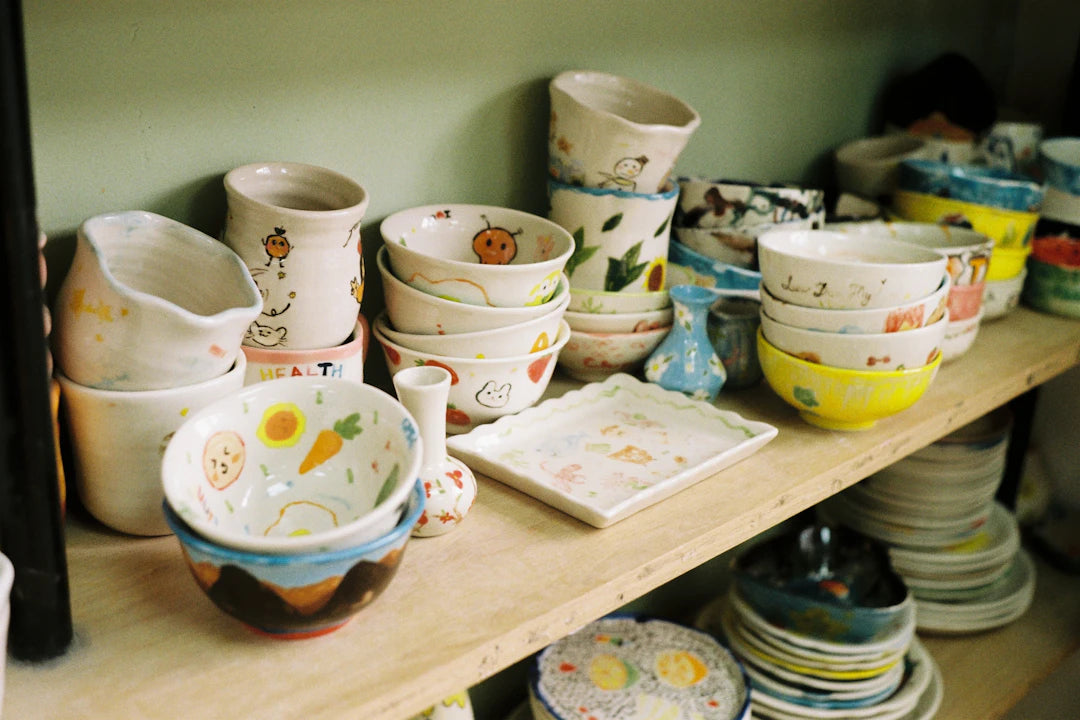
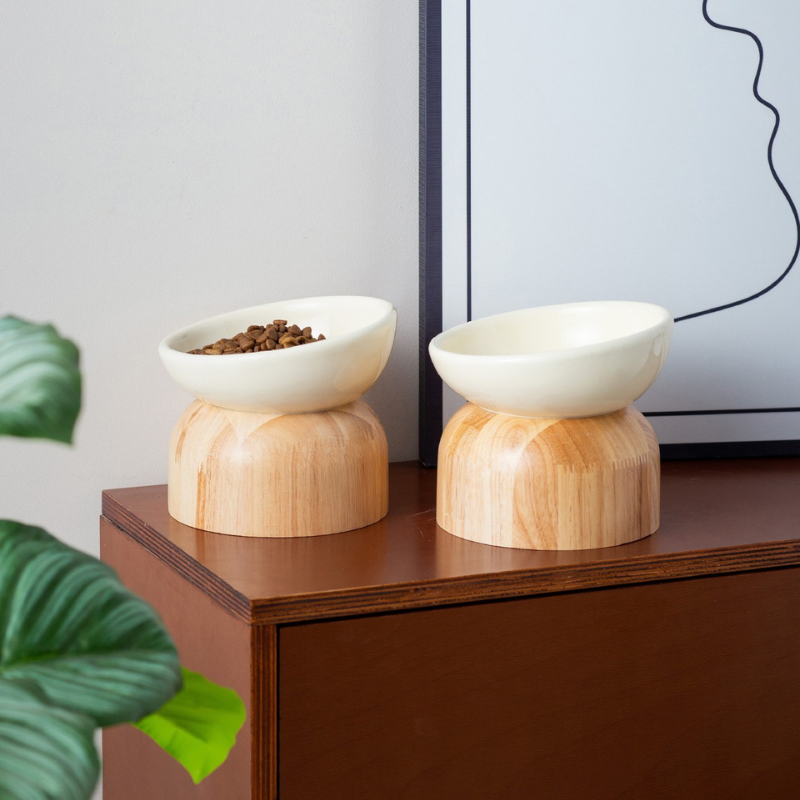
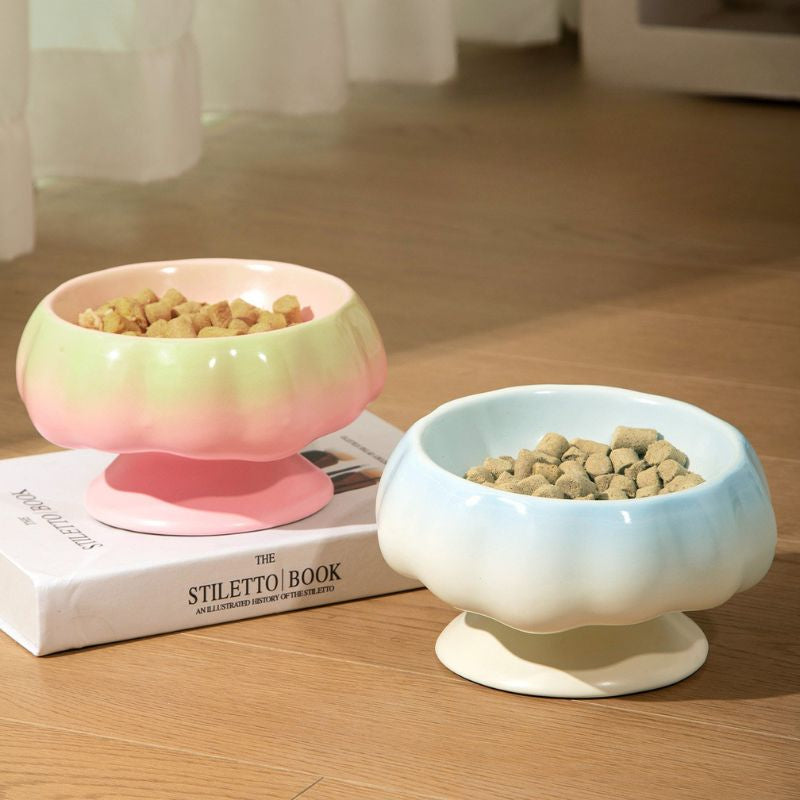
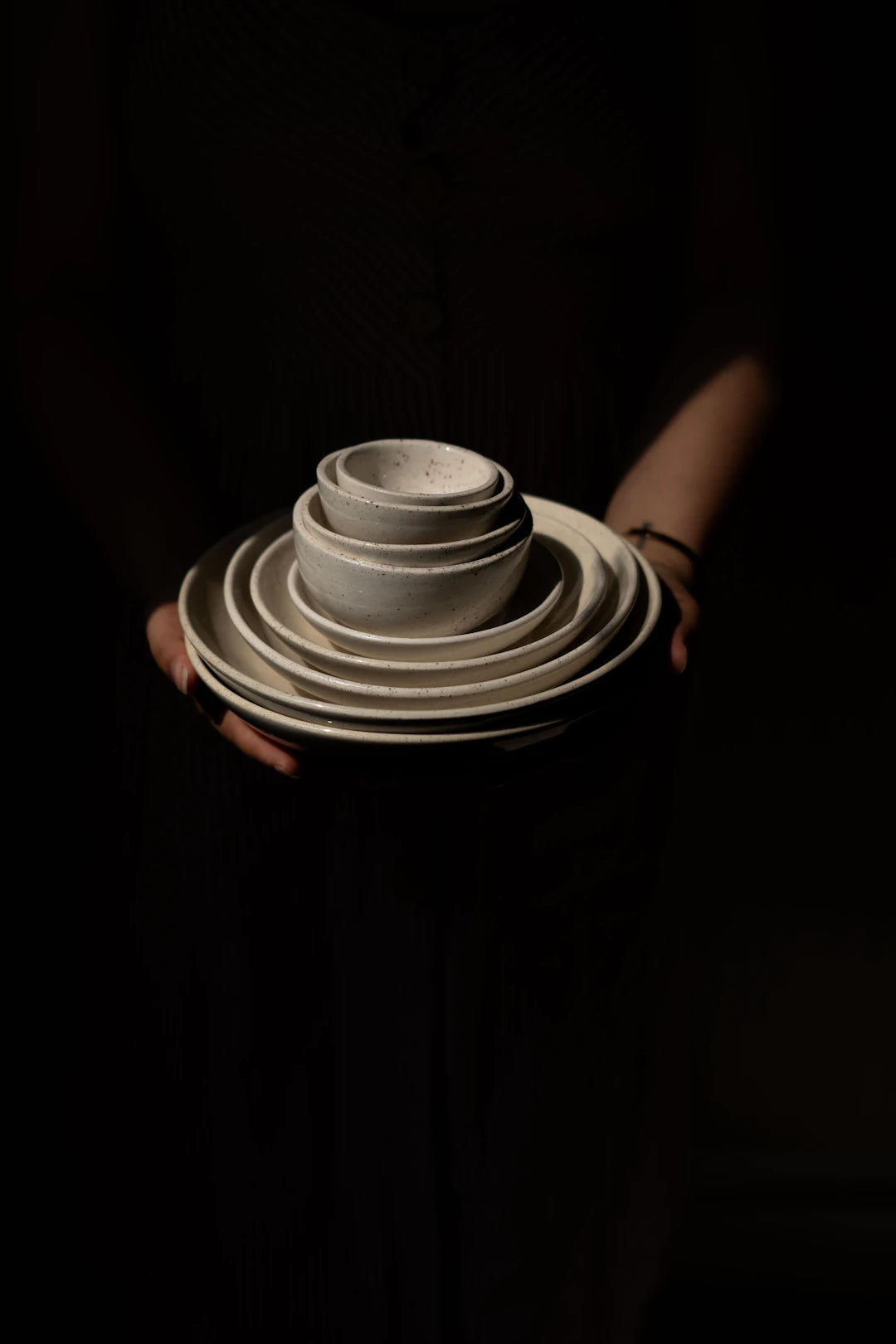
Ceramic bowls are crafted from natural clay that is molded and fired at high temperatures to create durable products. They often come in various colors, patterns, and shapes, including the increasingly popular bone-shaped pet bowl. These bowls are generally heavy-duty and resistant to scratches and fading.
Plastic Bowls
Plastic bowls, on the other hand, are made from synthetic materials like polyethylene or polypropylene. These bowls are lightweight, affordable, and often come in a variety of vibrant colors and designs. However, the production and disposal of plastic can have significant environmental repercussions.
Environmental Impact of Ceramic Bowls
Ceramic bowls hold numerous benefits when it comes to environmental sustainability:
- Natural Materials: Made entirely from natural clay, ceramic bowls are biodegradable and do not contribute to long-term landfill waste.
- Longevity: They can last for years without degrading, meaning fewer bowls are needed over a lifetime.
- Recyclability: At the end of their life, many ceramics can be recycled or repurposed in various artistic ways.
- Chemical-Free: Unlike some plastic products, ceramic bowls do not leach harmful chemicals, which can benefit both pet health and the ecosystem.
Environmental Impact of Plastic Bowls
While plastic bowls are a popular choice for many pet owners, they come with serious drawbacks:
- Non-biodegradable: Plastic does not decompose naturally within the environment, contributing significantly to the ongoing global plastic pollution crisis.
- Production Footprint: The process of creating plastic bowls involves fossil fuels that contribute to greenhouse gas emissions.
- Health Concerns: Some plastic bowls may contain BPA or phthalates, chemicals that can seep into food or water, impacting pet health and food safety.
- Short Lifespan: Although cheaper, plastic bowls often wear down quickly, leading to increased waste over time.
Comparative Analysis: Ceramic vs. Plastic Bowls
The table below summarizes the key differences in terms of environmental impact, durability, and safety between ceramic and plastic bowls.
| Feature | Ceramic Bowls | Plastic Bowls |
|---|---|---|
| Material Origin | Natural clay | Synthetic polymers |
| Biodegradability | Yes | No |
| Durability | High | Medium |
| Recyclability | Yes | Limited |
| Health Concerns | Low | Potentially high |
| Environmental Footprint | Lower | Higher |
Making the Right Choice for Your Pet
As pet owners, our decisions reflect our values and concerns for the planet. While both ceramic and plastic bowls serve the ultimate purpose of feeding our furry friends, understanding the long-term impacts of these materials can lead to better choices. Here’s how you can make a more informed selection:
- Evaluate Longevity: Consider how often you want to replace your bowls. Investing in durable ceramic options may save you money in the long run.
- Health Considerations: Opt for non-toxic and safe materials to protect your pet's health. Ceramic is a safer choice here.
- Eco-Consciousness: If sustainability is a priority for you, ceramic bowls lead the way toward a greener lifestyle.
- Style Meets Functionality: Choose designs that align with your home aesthetic while being functional for your pet's needs.
- Consider Versatility: Look for bowls that can serve multiple purposes, like a bone-shaped pet bowl that can double as a toy during playtime.
Wrapping Up Your Pet's Dining Essentials
Choosing the right feeding bowl for your pet is not just about functionality and design; it also involves considering the broader implications on the environment. As we've discussed, ceramic bowls emerge as the more sustainable choice compared to plastic alternatives. By making conscious decisions, you can help reduce environmental impact and promote a healthier ecosystem for future generations of pets. So, whether you're outfitting your dining room with the latest dog toy or choosing a stylish ceramic bowl, remember that every small choice can contribute to a larger positive change. Choose wisely, and let your choices reflect the love you have for both your pet and the planet.
Glossary
| Term | Meaning |
|---|---|
| Ceramic Bowls | Bowls made from natural clay, durable and biodegradable. |
| Plastic Bowls | Bowls made from synthetic materials, lightweight but non-biodegradable. |
| Biodegradable | Materials that decompose naturally, reducing landfill waste. |
| Durability | The ability of a product to withstand wear and last over time. |
| Recyclability | Capability of a material to be processed and reused. |
| BPA | A chemical often found in plastics that can be harmful to health. |
| Phthalates | Chemicals used to make plastics flexible, potentially unsafe for pets. |
| Environmental Footprint | The impact of a product's production and disposal on the environment. |
| Eco-Consciousness | A mindset prioritizing sustainable and environmentally friendly choices. |
| Longevity | The duration a product remains functional before needing replacement. |
Linked Product
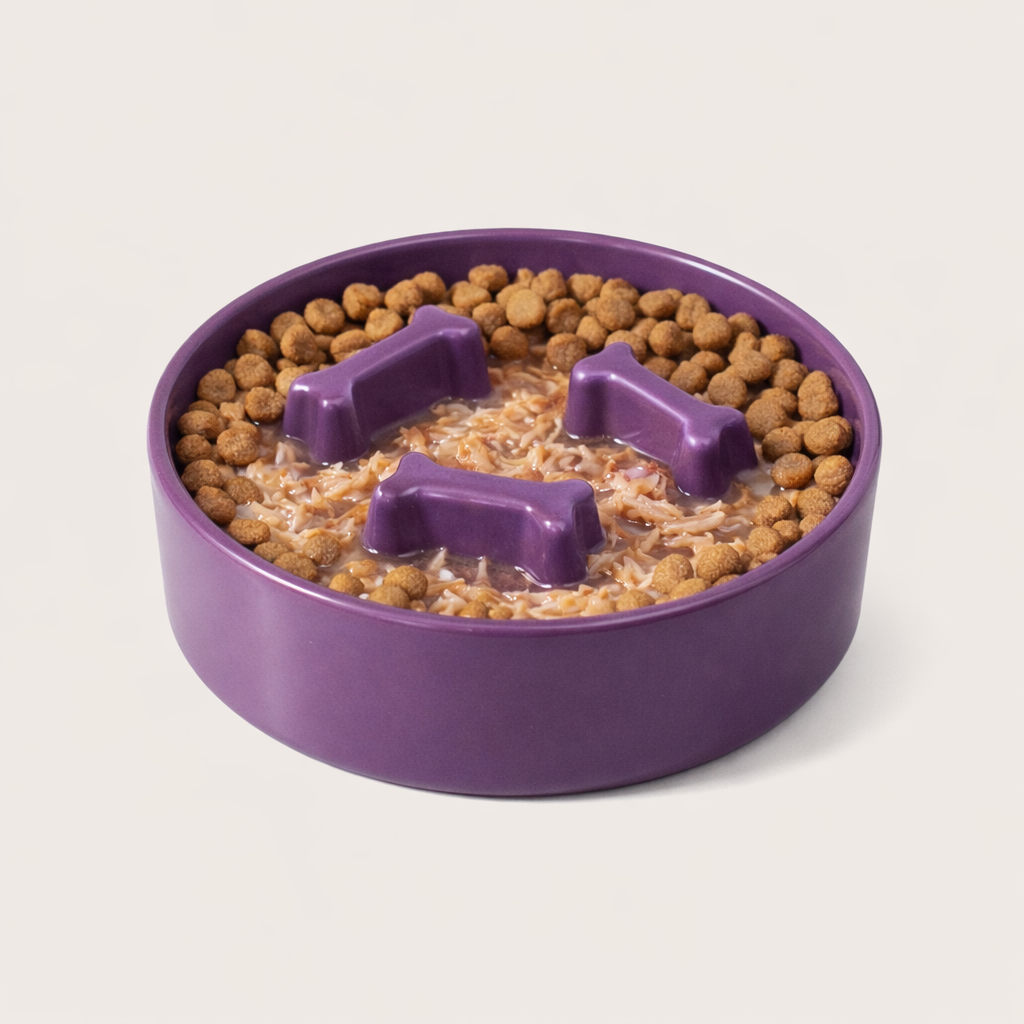
Bone-Shaped Ceramic Slow Feeder Bowl – Anti-Gulping Bowl for Small & Medium Dogs and Cats
The Bone-Shaped Ceramic Slow Feeder Bowl is designed to help small to medium dogs and cats eat at a healthier pace by promoting slow feeding. Its bone-patterned structure effectively divides food portions, making it suitable for various meal types, including dry, wet, or mixed foods. This bowl is an ideal choice for pets new to slow feeding, providing a gentle introduction to healthier eating habits.
View ProductStylish Ceramic Slow Feeders for Healthy Pet Eating
Elevated Ceramic Pet Bowls for Comfortable Feeding
Related Posts
Crafting Your Own DIY Slow Feeders for Happy Pets
Ceramic Slow Feeders to Promote Healthy Eating Habits
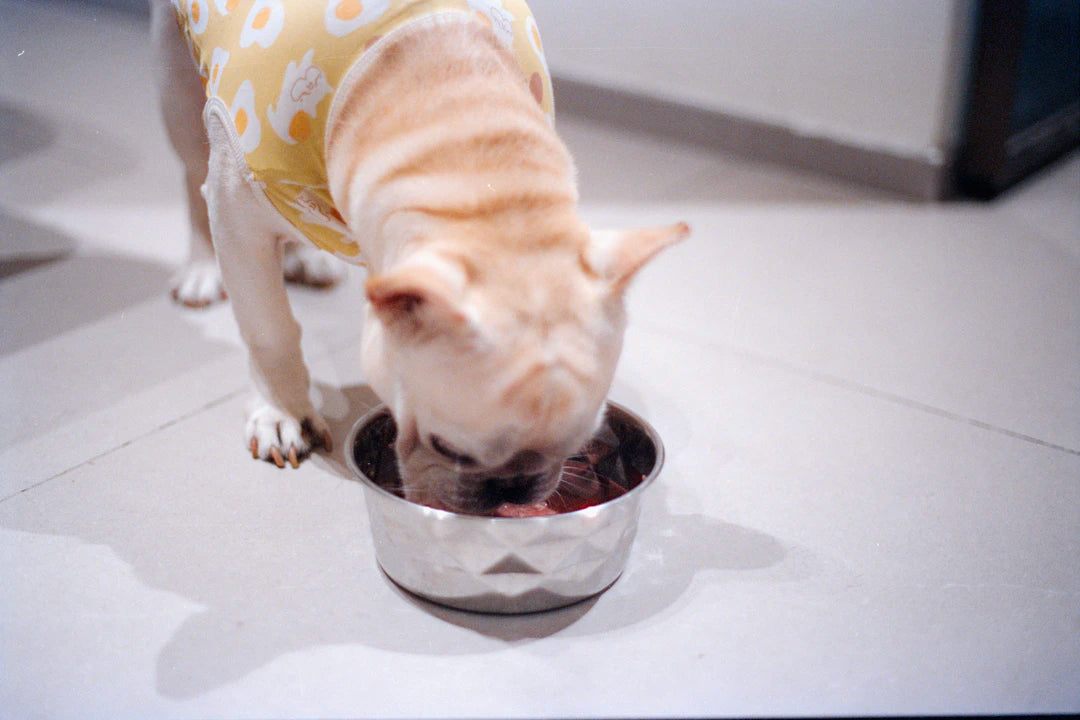
The Impact of Texture and Design in Slow Feeding Bowls
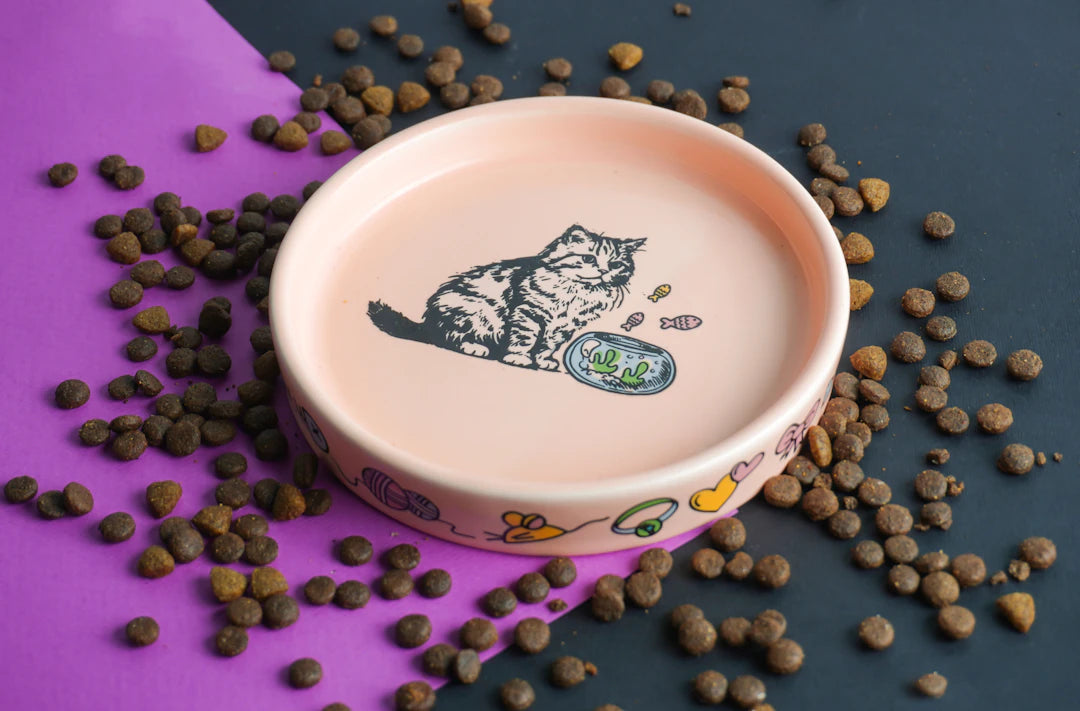
Ceramic Pet Bowls for Small Dogs: Practical Feeding Solutions
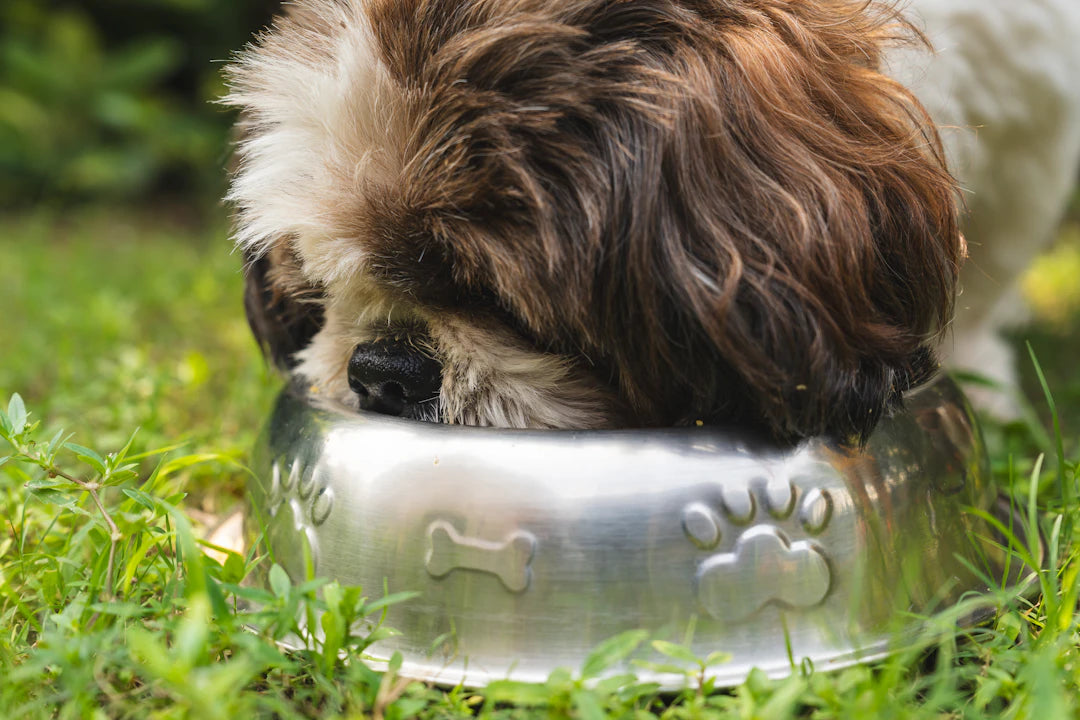
Spotting Overeating in Pets and Solutions to Combat It
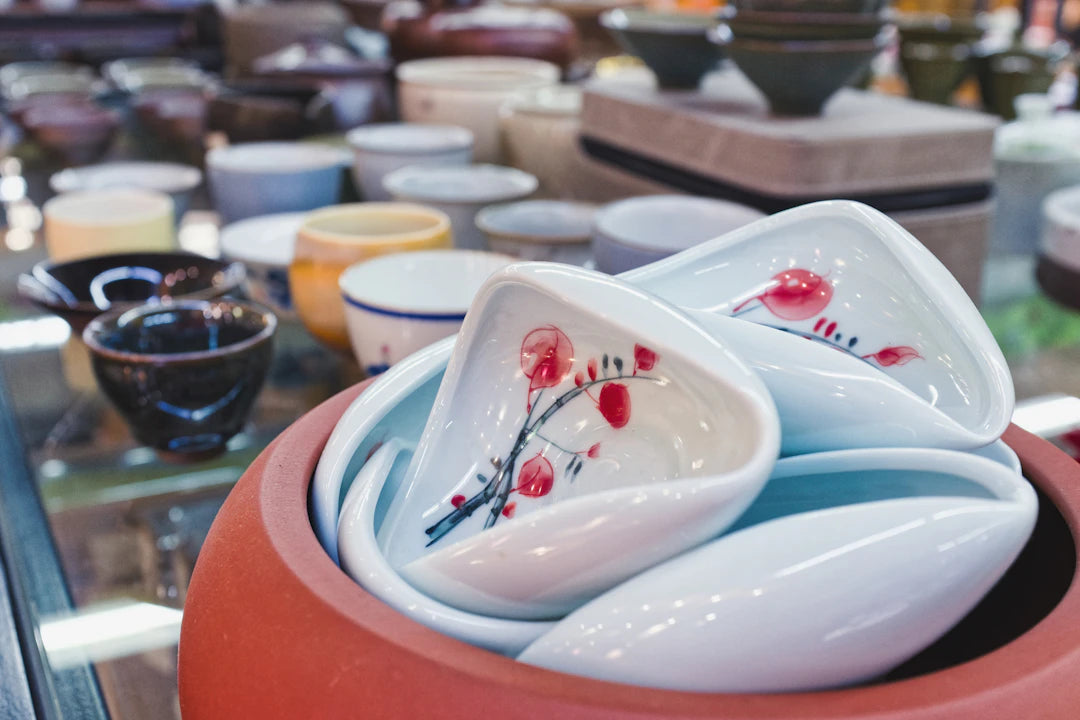
Elevated Ceramic Pet Bowls for Mindful Feeding
Creative Ways to Encourage Slow Eating in Pets