Transform Your Training with Slow Feeding Techniques
Overview
Incorporating slow feeding into your dog's training routine can improve digestion, enhance focus, and promote calmness. Use slow feeder bowls or puzzle toys to make mealtime a training opportunity, reinforcing commands while your dog eats. This approach can lead to healthier eating habits, better behavior, and even financial savings by reducing waste and vet visits. Engage the whole family in the process for a more enriching experience.
Table of Contents
- The Importance of Slow Feeding in Training
- Choosing the Right Slow Feeder
- Integrating Slow Feeding in Training Routines
- 1. Start with Short Sessions
- 2. Mix Training Commands with Eating
- 3. Make It a Game
- 4. Establish a Routine
- Types of Training to Enrich Slow Feeding
- Monitoring Your Dog's Progress
- Common Challenges with Slow Feeding
- The Financial Upside of Slow Feeding
- Making It a Family Activity
- Empower Your Dog's Future One Meal at a Time
Key Takeaways
- Improved Digestion: Slow feeding promotes proper chewing, enhancing food absorption and digestion.
- Behavioral Enhancement: Encourages calmness and reduces hyperactivity during training sessions.
- Increased Focus: Captures your dog's attention better, aiding engagement with training commands.
- Bonding Opportunities: Supervising meals allows for additional bonding time between you and your dog.
- Variety of Feeders: Choose from slow feeder bowls, puzzle feeders, or mat feeders based on your dog's needs.
- Routine Integration: Link feeding times with training sessions to build anticipation and engagement.
- Monitor Progress: Track eating time, behavioral changes, and health indicators to assess adaptation to slow feeding.
Frequently Asked Questions
1. What is slow feeding and why is it important for dogs?
2. How can I incorporate slow feeding into my dog's training routine?
3. What types of slow feeders are available?
4. What are some common challenges with slow feeding?
5. Can slow feeding have financial benefits for dog owners?
As dog owners, we always want what’s best for our furry companions. When it comes to training, the focus often lies on obedience and behavioral correction. However, one key element that tends to get overlooked is the feeding routine. Incorporating slow feeding into your training routines can not only enhance your dog’s learning experience but also provide a healthier way of eating. This guide will walk you through the essentials of slow feeding, especially using a slow feeder bowl for large dogs, and how it can seamlessly fit into your training schedule.
The Importance of Slow Feeding in Training
Many dog trainers and veterinarians recommend transforming the way your dog eats to support their training efforts. Fast eaters often develop bad habits, such as gulping down food and choking, which can lead to gastrointestinal issues down the line. By integrating slow feeding into your training routine, you can promote a range of benefits, including:
- Improved Digestion: Slow feeding allows your dog to chew their food properly, improving absorption and digestion.
- Behavioral Enhancement: It encourages calmness, reducing hyperactivity and anxiety during training sessions.
- Increased Focus: Using a slow feeding method can capture your dog’s attention better, helping them to engage more fully with training commands.
- Bonding Time: It offers an additional opportunity for bonding as you supervise and interact with your dog during meals.
Choosing the Right Slow Feeder
When you decide to go the route of slow feeding, it's crucial to pick the right tool for the job. With a variety of options available, ranging from simple bowls to intricate puzzle feeders, here’s a brief comparison:
| Feeder Type | Description | Pros | Cons |
|---|---|---|---|
| Slow Feeder Bowl | A bowl with built-in obstacles to slow down eating. | Easy to use, promotes chewing. | Can be chewed apart by aggressive eaters. |
| Puzzle Feeder | A toy that requires your dog to solve problems for food. | Engaging and stimulating, promotes mental exercise. | May be too challenging for some dogs. |
| Mat Feeder | A textured mat that spreads food out to slow consumption. | Easy to clean, suitable for various food types. | Limited in the amount of food it can hold. |
Integrating Slow Feeding in Training Routines
Now that you have a basic understanding of slow feeding, the next step is to integrate it into your dog’s training regimen. Here’s a practical approach to incorporating slow feeding methods into daily training:
1. Start with Short Sessions
In the beginning, keep your training sessions short but focused. Allocate some of that time to use the slow feeder bowl for large dogs or a dog toy that dispenses food. This keeps your dog engaged while helping them adjust to the slower pace of eating.
2. Mix Training Commands with Eating
As your dog eats from their slow feeder, use commands like "sit," "stay," and "come." This reinforces the desired behaviors while they enjoy their meal. Make sure to reward them with treats or positive reinforcement when they follow your commands correctly.
3. Make It a Game
Dogs love games, and incorporating slow feeding with play can significantly elevate their experience. Hide treats inside a dog toy and let them work to get the food out. This not only satiates their hunger but also stimulates their problem-solving skills.
4. Establish a Routine
Create a consistent schedule where your dog gets their meals according to their training times. By linking feeding to training, you build anticipation and excitement around both, increasing engagement on both fronts.
Types of Training to Enrich Slow Feeding
As you incorporate slow feeders into the training routine, you can personalize the approach depending on your dog’s needs. Here are a few types of training that work well with slow feeding:
- Basic Obedience: Reinforce essential commands with the help of a slow feeder, making every meal a learning opportunity.
- Agility Training: Use a slow feeder as part of agility exercises to teach your dog to navigate their feeding station.
- Behavior Modification: Slow feeding can help modify aggressive eating behaviors, and recondition them to eat calmly.
- Trick Training: Incorporate feeding through trick training, rewarding creative commands with food dispensed from a puzzle toy.
Monitoring Your Dog's Progress
Tracking how well your dog adjusts to slow feeding is crucial. Consider these factors when monitoring their progress:
- Time Taken to Eat: Note if the eating duration increases, which shows they're adapting.
- Behavioral Changes: Watch for improvements in training responsiveness and calmer behavior around mealtimes.
- Health Indicators: Observe any changes in weight, digestive comfort, or overall health.
Common Challenges with Slow Feeding
While there are numerous benefits to slow feeding, you may encounter challenges. Here’s how to overcome common issues:
- Poor Interest: If your dog seems uninterested in their slow feeder, try switching the food type or adding enticing treats to encourage engagement.
- Frustration with Puzzle Feeders: If your dog is having difficulty, offer assistance at first before allowing them to solve it independently.
- Messy Eating: Expect some mess when using slow feeders, particularly if they require paw work. Always have cleaning supplies nearby.
The Financial Upside of Slow Feeding
Integrating slow feeding methods can also have financial benefits over time. Here’s how:
- Less Waste: By slowing down their eating, dogs are less likely to vomit and reject food, leading to less waste.
- Fewer Vet Visits: Healthier eating practices may translate to fewer trips to the vet for digestion-related issues, saving you money in the long run.
- Enhanced Training Efficiency: Improved focus and behavior means quicker training sessions, saving you time and resources.
Making It a Family Activity
Slow feeding doesn’t have to be a solo activity for you and your dog. Involve the whole family! Here are some tips:
- Assign Responsibilities: Let different family members take turns with feeding and training, so everyone forms a bond with the dog.
- Family Training Sessions: Set aside dedicated family time for dog training. Using slow feeding methods together can be fun for everyone involved!
- Encourage Participation: Invite kids to help supervise feeding, turning it into a fun and educational experience.
Empower Your Dog's Future One Meal at a Time
Incorporating slow feeding into your dog's training routine can transform both mealtimes and training sessions into a more enriching experience. With the right slow feeder bowl for large dogs and engaging dog toys, you're setting the stage for improved health and effective training. By focusing on the pace of eating, you’ll also foster a more meaningful relationship with your furry friend, paving the way for lifelong learning and companionship. Embrace slow feeding now, and watch as your dog thrives—both as a learner and a beloved family member!
Glossary
| Term | Meaning |
|---|---|
| Slow Feeding | A method that encourages dogs to eat at a slower pace. |
| Slow Feeder Bowl | A bowl designed with obstacles to slow down eating. |
| Puzzle Feeder | A toy that requires problem-solving to access food. |
| Behavioral Enhancement | Improvement in dog behavior through training techniques. |
| Agility Training | Exercises that improve a dog's speed and coordination. |
| Basic Obedience | Teaching fundamental commands like sit and stay. |
| Bonding Time | Quality time spent with your dog to strengthen your relationship. |
| Monitoring Progress | Tracking changes in behavior and health during training. |
| Frustration with Feeders | Challenges dogs face when using complex feeding tools. |
| Family Training | Involving family members in dog training activities. |
Linked Product
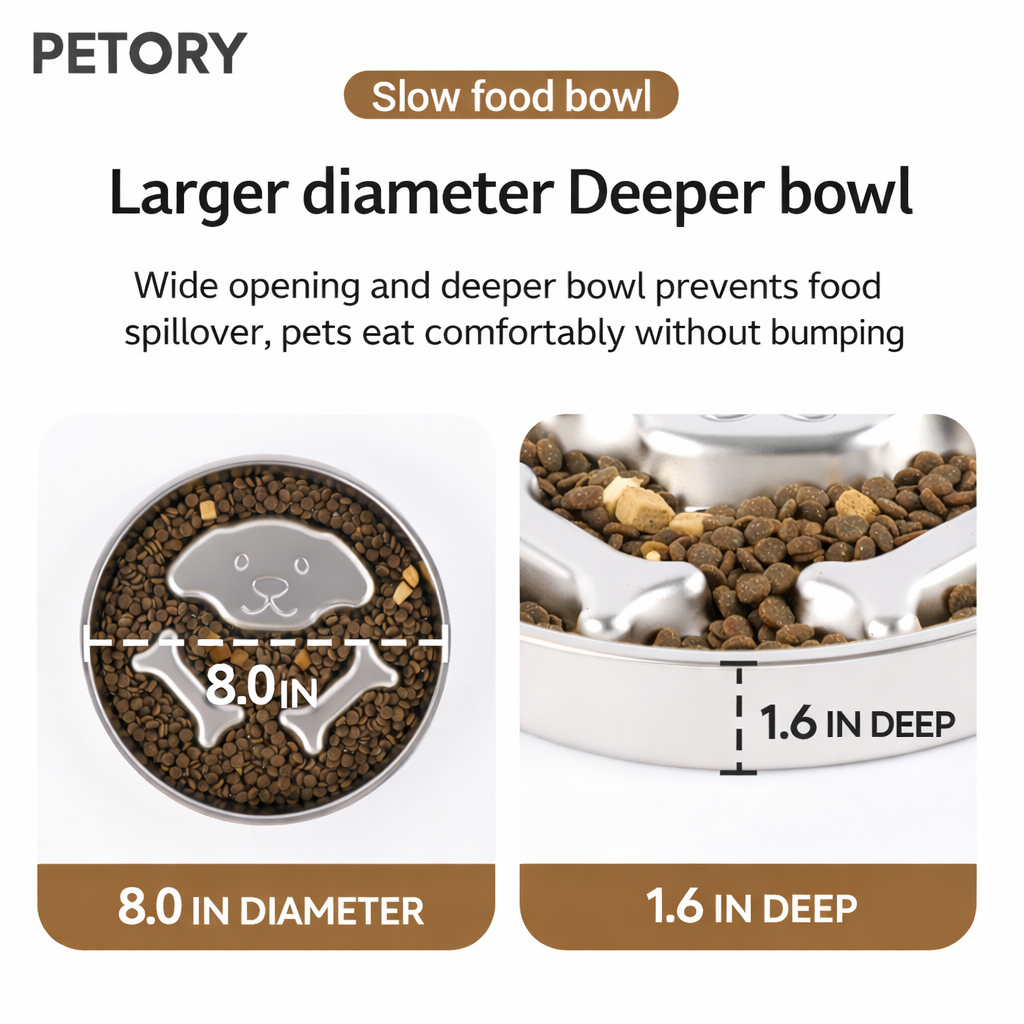
XXL Stainless Steel Slow Feeder Bowl for Large Dogs – Durable & Large Capacity
The XXL Stainless Steel Slow Feeder Bowl is designed specifically for large dogs, providing a durable and spacious option for daily feeding. Its slow-feeding structure encourages dogs to eat at a healthier pace, making it ideal for those that tend to eat too quickly. With a capacity of up to 200g of kibble, this bowl suits the needs of large breeds during home feeding routines.
View ProductEssential Safety Tips for Ceramic Pet Bowls
Pet Allergies: Choosing the Best Bowl Material
Related Posts
Crafting Your Own DIY Slow Feeders for Happy Pets

Ceramic Slow Feeders to Promote Healthy Eating Habits
The Impact of Texture and Design in Slow Feeding Bowls
Ceramic Pet Bowls for Small Dogs: Practical Feeding Solutions
Spotting Overeating in Pets and Solutions to Combat It
Elevated Ceramic Pet Bowls for Mindful Feeding
Creative Ways to Encourage Slow Eating in Pets