Pet Allergies: Choosing the Best Bowl Material
Overview
Choosing the right food bowl material for your pet can significantly impact their health and allergies. Key options include stainless steel for its hypoallergenic properties and easy cleaning, ceramic for its aesthetic appeal (ensure it's lead-free), and elevated bowls for better posture and reduced contamination. Regular cleaning and awareness of allergy symptoms are also essential for your pet's well-being. Make an informed choice to create a safe and comfortable dining experience for your furry friend.
Table of Contents
- Understanding Pet Allergies
- Why Bowl Material Matters
- Common Bowl Materials
- Elevated Pet Food Bowls: A Healthier Choice
- Benefits of Elevated Pet Food Bowls
- The Case for Stainless Steel Bowls
- Advantages of Stainless Steel
- Ceramic Bowls: Style Meets Functionality
- Choosing Safe Ceramic Bowls
- Allergy-Proofing Your Pet’s Bowl Area
- Signs Your Pet Might Have Allergies
- Choosing the Perfect Bowl for Your Furry Friend
- Let’s Keep Their Tails Wagging!
Key Takeaways
- Material Matters: The bowl material can significantly affect your pet's allergies and overall health.
- Common Bowl Materials: Options include plastic, stainless steel, ceramic, and silicone, each with distinct pros and cons.
- Elevated Bowls: These bowls promote better posture, digestion, and reduce the risk of food contamination.
- Stainless Steel Benefits: Non-porous, hypoallergenic, durable, and easy to clean, making them ideal for allergy-prone pets.
- Ceramic Care: Choose lead-free, non-toxic bowls and regularly inspect for cracks to ensure safety.
- Maintain Cleanliness: Regular cleaning and using allergy-friendly products can help minimize allergens in your pet's feeding area.
- Watch for Allergy Signs: Symptoms like itchy skin, excessive licking, or gastrointestinal upset may indicate allergies in pets.
Frequently Asked Questions
1. Why does bowl material matter for my pet's health?
2. What are the common materials used for pet food bowls?
3. What are the benefits of elevated pet food bowls?
4. How can I choose safe ceramic bowls for my pet?
5. What symptoms might indicate my pet has allergies?
As pet owners, we strive to provide the best for our furry friends, especially when it comes to their health. One aspect that may not be as well-considered is the material of their food bowls. While often overlooked, the right bowl material can significantly impact your pet’s allergies and overall well-being. This guide will help you navigate the important factors to consider in selecting the perfect bowl for your beloved pet, ensuring their meals are held in a safe and allergy-friendly environment.
Understanding Pet Allergies
Just like humans, pets can suffer from a variety of allergies, leading to discomfort and health issues. Pet allergies can stem from several sources, most notably:
- Food ingredients
- Environmental factors (pollen, dust mites, etc.)
- Contact allergies (certain materials or chemicals)
These allergies can manifest in various ways, including skin irritations, digestive issues, and respiratory problems. As a conscientious pet owner, it is essential to identify the potential triggers and make informed choices, especially regarding the materials you use daily, like their food bowls.
Why Bowl Material Matters
The material of your pet’s food bowl can be a contributing factor to their allergies. Certain materials can harbor allergens or trigger reactions, while others promote better hygiene and can help reduce allergic symptoms. Here are some key points to consider when evaluating bowl materials:
Common Bowl Materials
There are several materials commonly used in pet bowls, each with its pros and cons. Let's take a closer look at some of the most popular options:
| Material | Pros | Cons |
|---|---|---|
| Plastic | Lightweight, inexpensive, various designs | Can scratch and harbor bacteria, may contain allergens |
| Stainless Steel | Durable, hypoallergenic, easy to clean | Can be heavier, some pets dislike the sound |
| Ceramic | Stylish, heavy-duty, retains temperature | Can chip or crack, can contain lead in lower quality |
| Silicone | Flexible, non-slip, easy to clean | Can trap odors, may not be as durable |
Understanding these materials will help you make the best choice for your pet’s specific needs, especially if they have allergies or sensitivities. Let’s dive deeper into the most popular options: elevated pet food bowls, stainless steel, and ceramic bowls.
Elevated Pet Food Bowls: A Healthier Choice
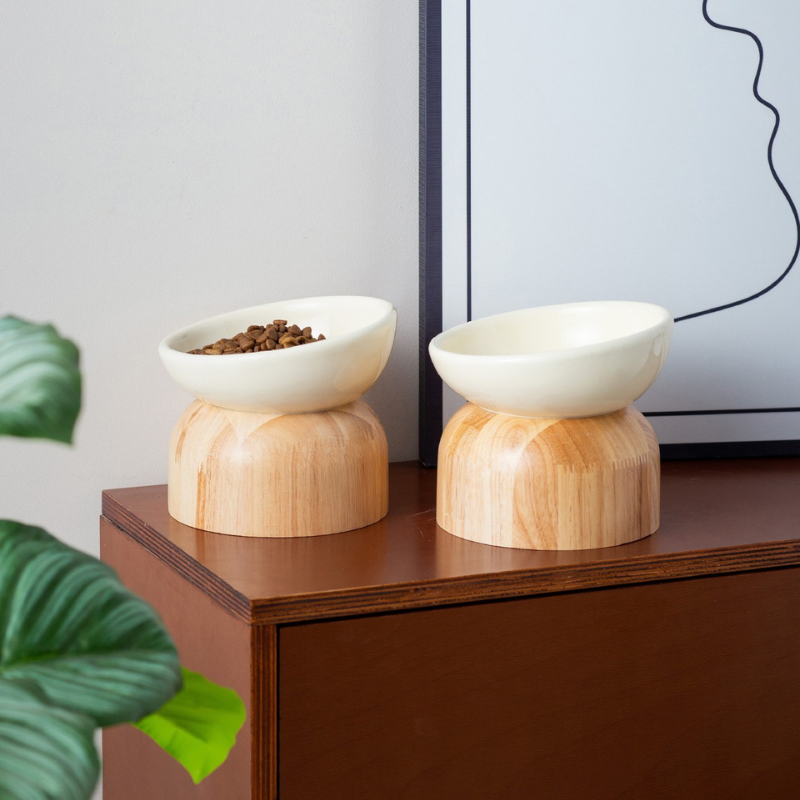
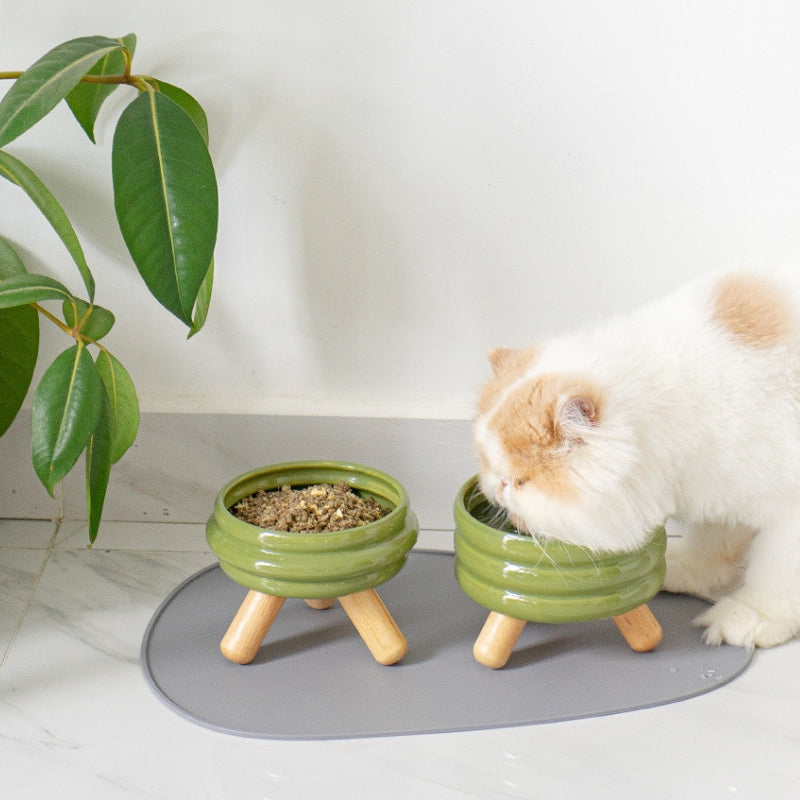
Elevated pet food bowls are becoming a favorite choice among pet owners for various reasons. These bowls are set at a height, allowing pets to eat more comfortably and promoting better posture. Additionally, they can help reduce the risk of allergies in certain ways.
Benefits of Elevated Pet Food Bowls
- Less strain on joints and muscles
- Encourages better digestion for some pets
- Reduced mess due to height
- Less likelihood of food contamination from ground-level debris
- More difficult for pests to access food
By providing your pet with an elevated pet food bowl, you’re making an investment in their health and comfort—not to mention reducing the chances of exposing them to allergens that may have accumulated on the floor. The visibility and ease of access also encourage your pet to enjoy their meals more.
The Case for Stainless Steel Bowls
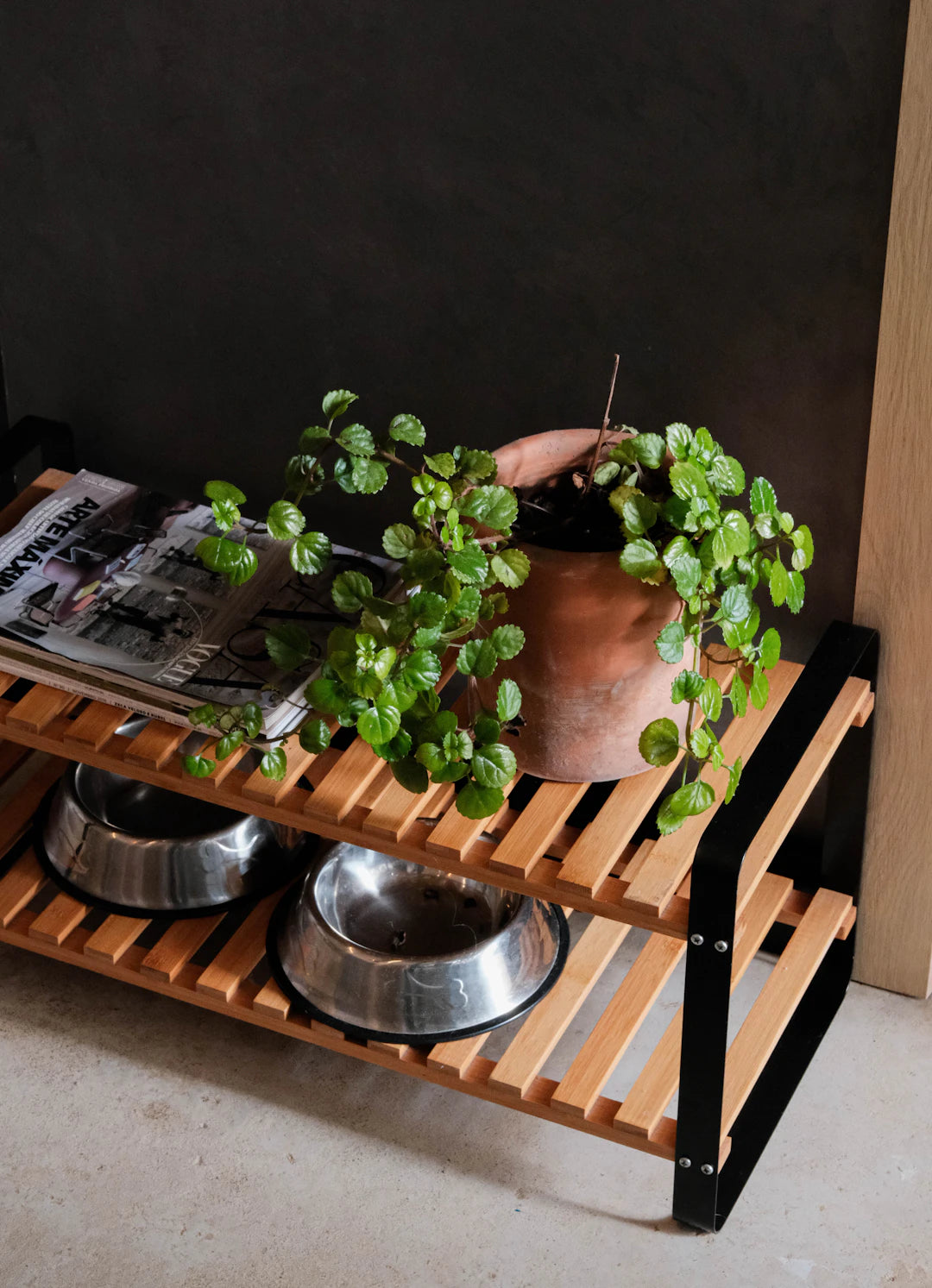
Stainless steel bowls are highly praised for their advantages when it comes to pet health and hygiene. Here’s why they might be the best choice for allergy-prone pets:
Advantages of Stainless Steel
- Hypoallergenic: Stainless steel is non-porous, meaning it doesn’t harbor bacteria or allergens like plastic can.
- Durability: This material is resistant to wear and tear, reducing the need for replacement and the risk of broken or chipped edges that could irritate sensitive tongues.
- Easy to Clean: Simply toss them in the dishwasher or wash them by hand for a quick cleaning solution.
For pets with allergies, maintaining a clean feeding area is essential. Stainless steel bowls make this both convenient and effective, reducing the chance of allergy flare-ups due to residue left behind in their dishes.
Ceramic Bowls: Style Meets Functionality
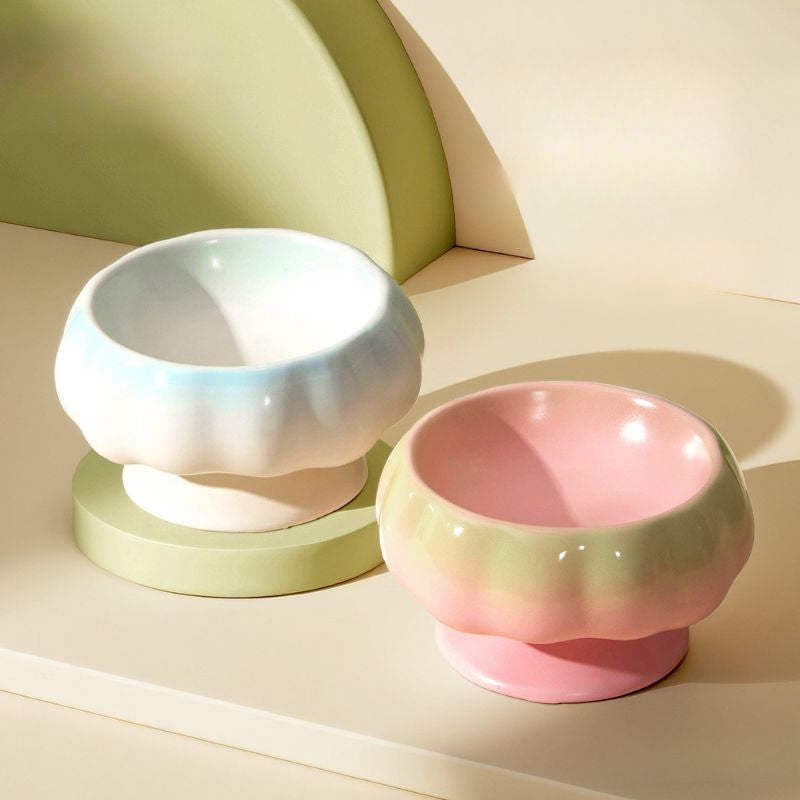
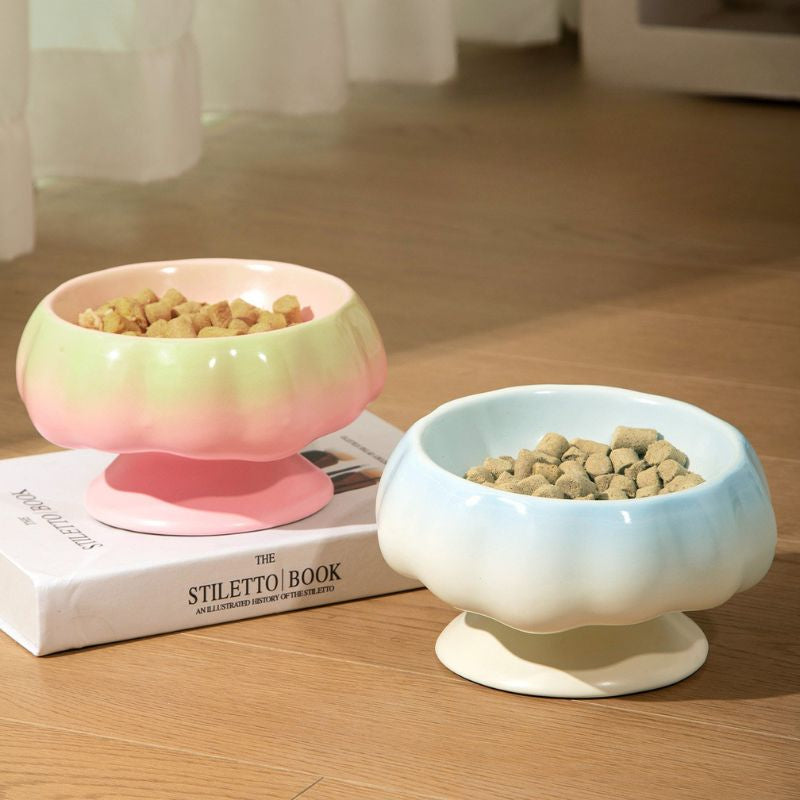
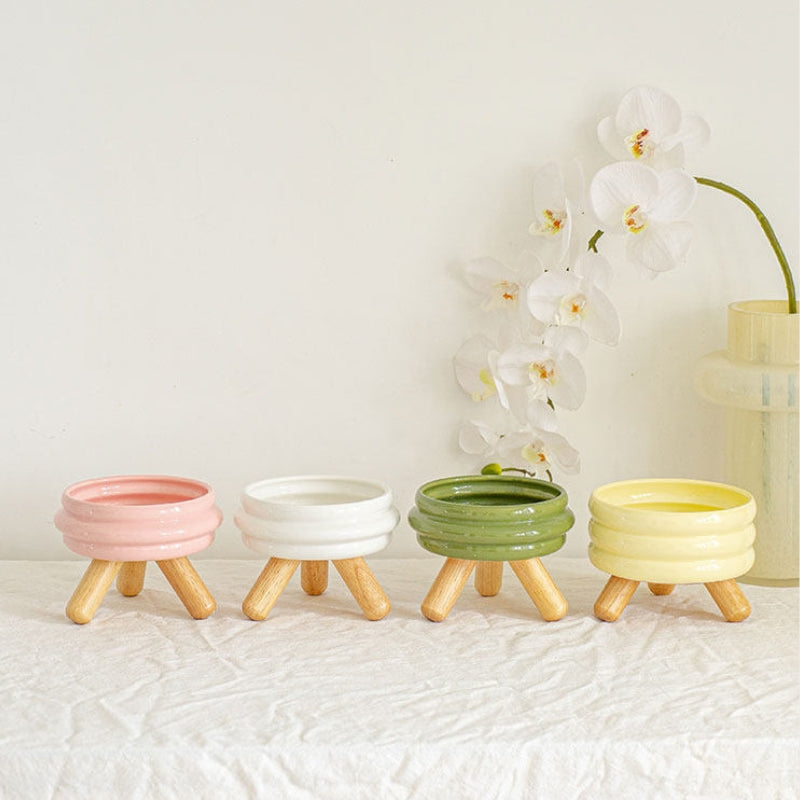
Ceramic bowls are known for their aesthetic appeal. They come in various designs that can match your home decor. However, while prioritizing beauty, it’s essential to ensure you select high-quality ceramic bowls that are safe for your pet.
Choosing Safe Ceramic Bowls
- Opt for lead-free and non-toxic glazes to avoid health issues.
- Ensure the ceramic is durable to prevent chipping, which can pose a choking hazard.
- Regularly inspect your ceramic bowls for any signs of cracking or damage.
High-quality ceramic bowls, when chosen carefully, can be an excellent, allergy-friendly option. They provide a stable feeding surface and are easy to clean, making them a viable choice for many pet owners.
Allergy-Proofing Your Pet’s Bowl Area
In addition to choosing the right bowl material, it’s crucial to keep your pet’s feeding area clean and free from allergens. Here are some tips to help mitigate pet allergies in conjunction with your choice of bowl:
- Regularly clean the feeding area to eliminate dust and allergens.
- Use allergy-friendly cleaning products that do not contain harsh chemicals.
- Rotating your pet’s bowls regularly can help minimize wear and tear.
- Consider the placement of your pet’s food bowl away from drafts, carpets, or other sources of allergens.
Signs Your Pet Might Have Allergies
As a responsible pet owner, it’s essential to be attentive to any unusual signs or behaviors your pet may show. Typical symptoms of allergies in pets can include:
- Itchy or inflamed skin
- Excessive licking of paws
- Gastrointestinal upset
- Sneezing or coughing
- Ear infections
If you notice any of these symptoms, consult your veterinarian to discuss potential causes and solutions, including modifying their diet or switching to allergen-friendly bowl materials.
Choosing the Perfect Bowl for Your Furry Friend
The selection of your pet’s food bowl should be an informed decision based on their specific needs and health considerations. By understanding the impact of different materials on allergies and overall health, you can make a more confident choice.
In conclusion, while it may seem like a small factor, the material of your pet's bowl can play a significant role in alleviating their allergies and promoting better health. By opting for elevated pet food bowls, stainless steel, or high-quality ceramic alternatives, you can create a comfortable and allergy-friendly dining experience for your beloved pet. Consider their needs, environment, and preferences to choose the option that best suits their lifestyle, and enjoy the peace of mind that comes with knowing you've made the best choice for their well-being.
Let’s Keep Their Tails Wagging!
With thoughtful consideration of bowl material, combined with proper hygiene practices, you will be well on your way to creating a safe and enjoyable feeding experience for your pet. Explore the various options, analyze your pet’s unique needs, and make the right choice so that their tails keep wagging with joy and health. Remember, a happy pet is a healthy pet!
Glossary
| Term | Meaning |
|---|---|
| Allergies | Reactions to substances causing discomfort in pets. |
| Food Bowls | Containers used to serve food to pets. |
| Elevated Bowls | Bowls set at a height for better pet posture. |
| Stainless Steel | Durable, hypoallergenic material for pet bowls. |
| Ceramic Bowls | Aesthetic bowls made from clay, often heavy-duty. |
| Plastic Bowls | Lightweight, inexpensive bowls that can harbor bacteria. |
| Hypoallergenic | Materials that minimize allergic reactions. |
| Cleaning Products | Substances used to maintain hygiene in feeding areas. |
| Signs of Allergies | Symptoms indicating potential allergies in pets. |
| Pet Health | Overall well-being and medical condition of pets. |
Linked Product
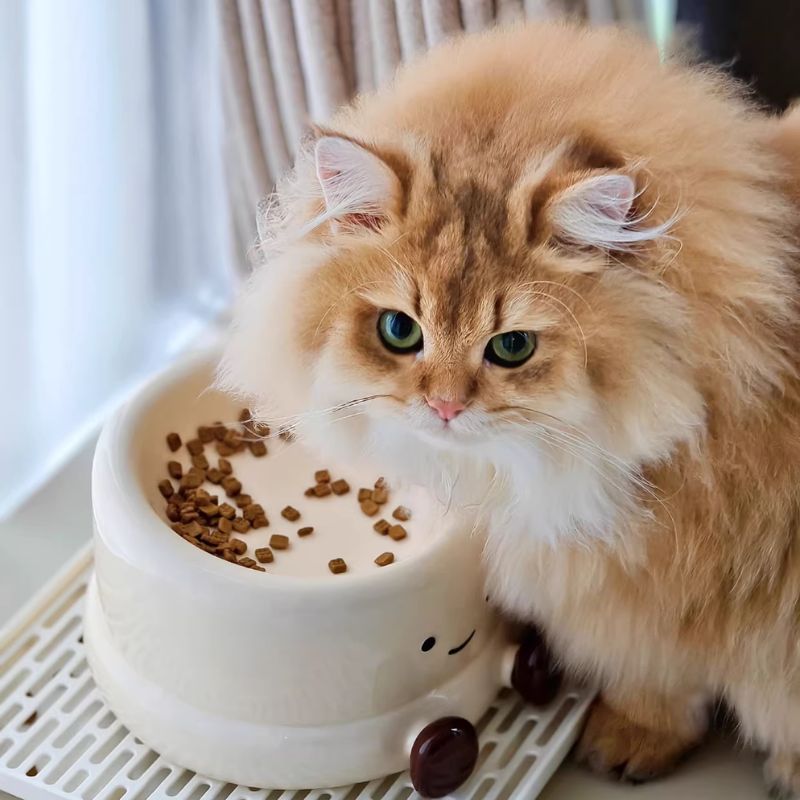
Elevated Ceramic Pet Bowl for Cats & Small Dogs
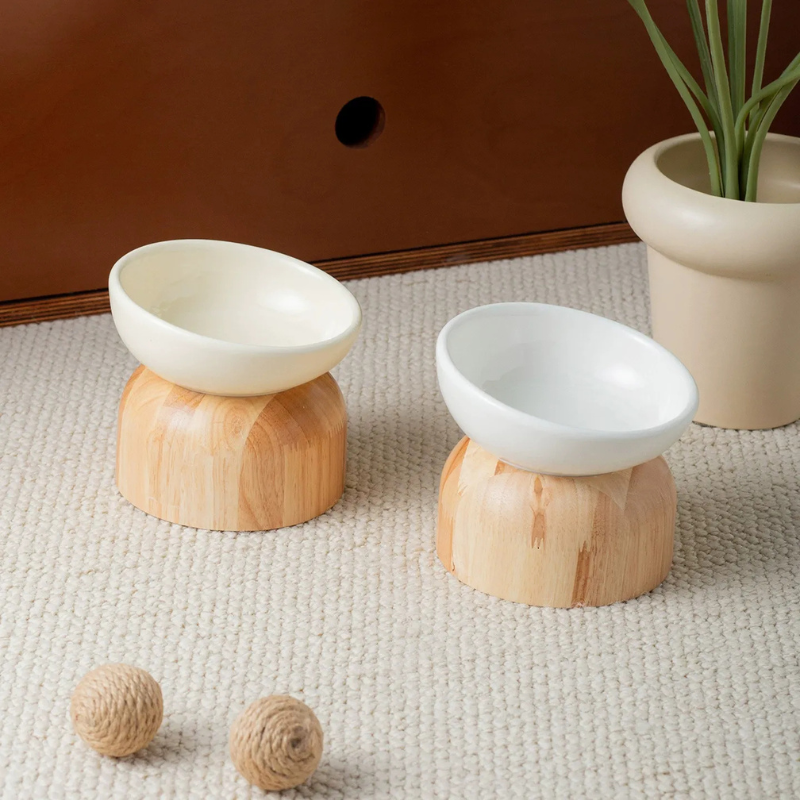
The Elevated Ceramic Pet Bowl is crafted for the daily needs of cats and small dogs, offering options in both size and capacity. Its elevated design promotes better posture during feeding, while the ceramic material is easy to clean and suitable for both food and water. This bowl is a practical choice for pet owners looking to enhance their pets' mealtime experience.
View ProductTransform Your Training with Slow Feeding Techniques
The Psychology of Pets and Their Feeding Habits
Related Posts
Crafting Your Own DIY Slow Feeders for Happy Pets
Ceramic Slow Feeders to Promote Healthy Eating Habits
The Impact of Texture and Design in Slow Feeding Bowls
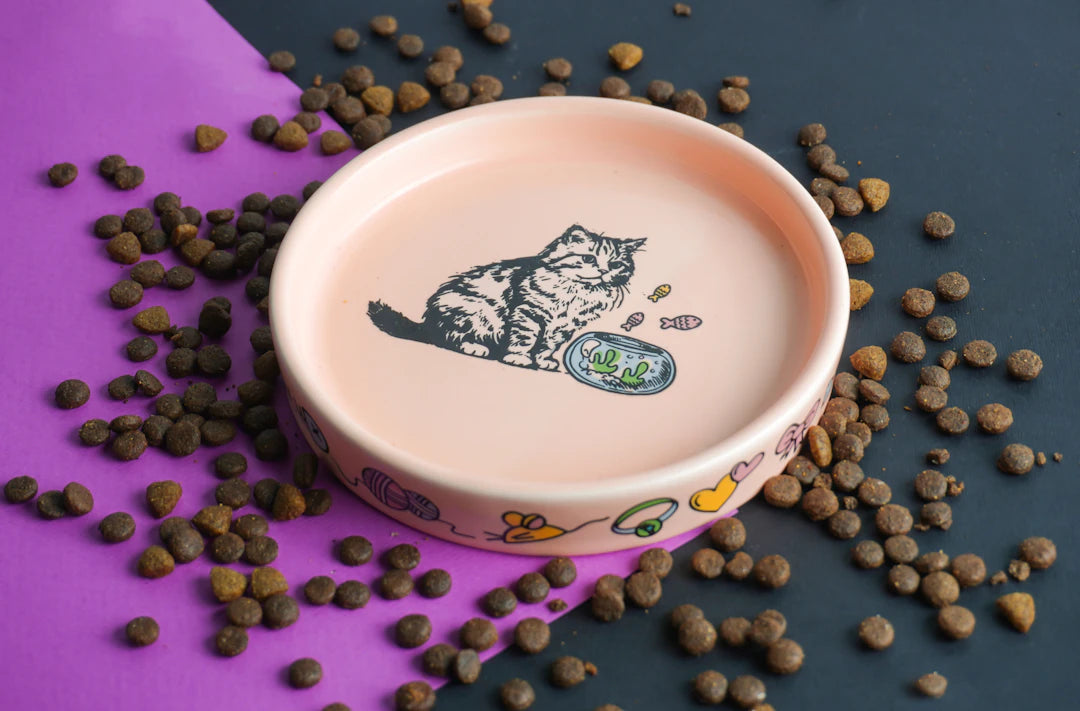
Ceramic Pet Bowls for Small Dogs: Practical Feeding Solutions
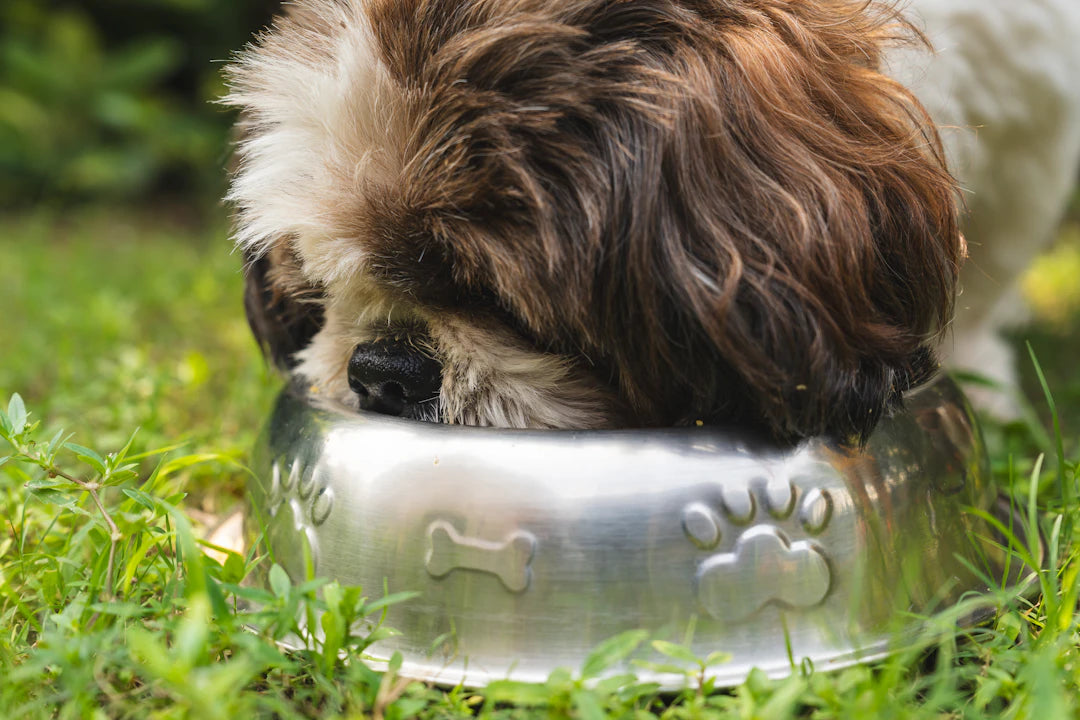
Spotting Overeating in Pets and Solutions to Combat It
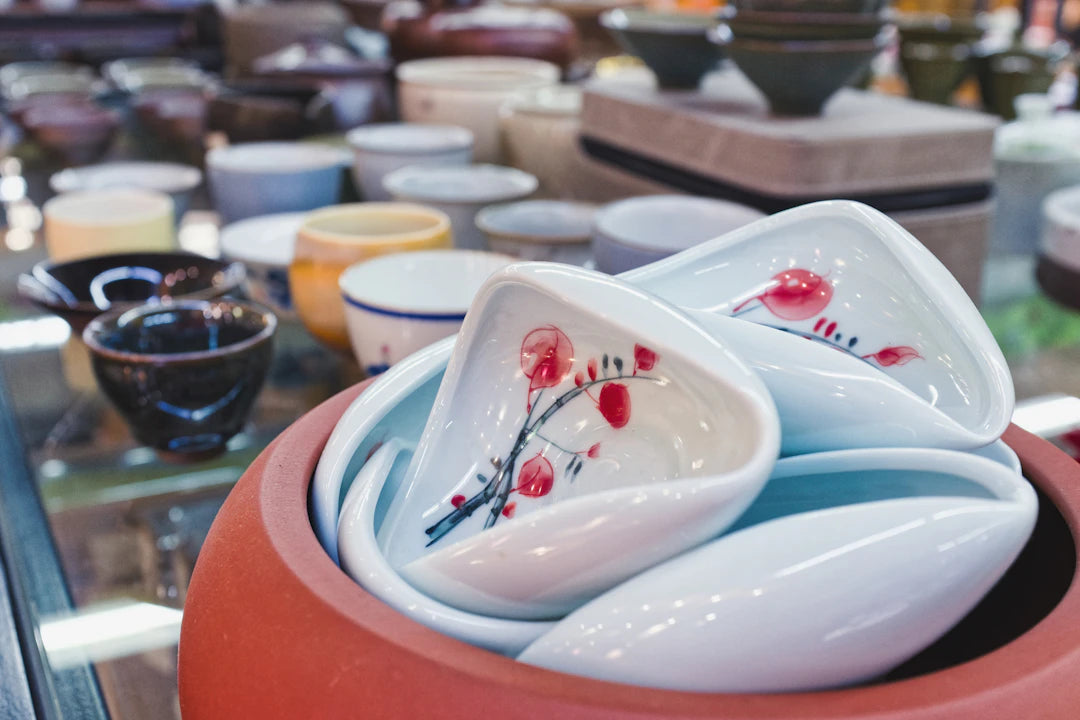
Elevated Ceramic Pet Bowls for Mindful Feeding
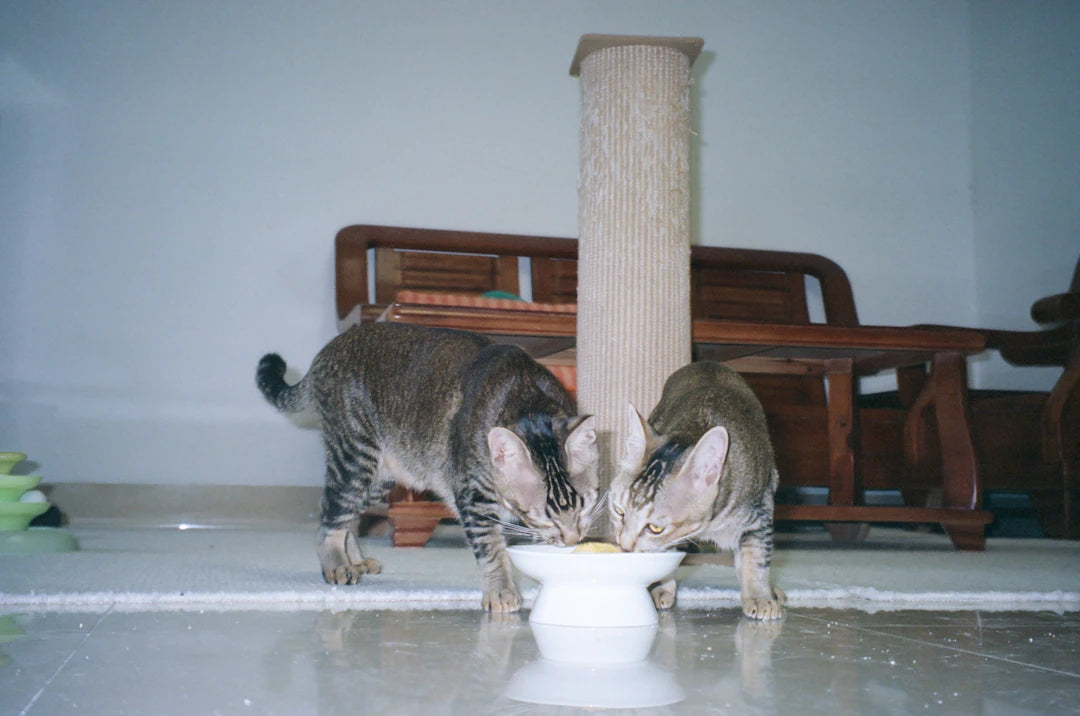
Creative Ways to Encourage Slow Eating in Pets